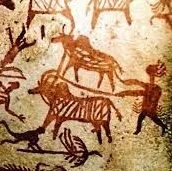

महाराष्ट्र हा समृद्ध सांस्कृतिक वारसा आणि अध्यात्मिक परंपरांसाठी ओळखला जाणारा प्रदेश आहे. या भूमीवर अनेक पवित्र स्थळे आहेत, ज्यामध्ये शक्तिपीठे विशेष महत्त्वाची मानली जातात. देवी शक्तीची ही पवित्र स्थाने अनादिकालापासून भक्तांच्या श्रद्धेचे आणि आस्थेचे केंद्र राहिली आहेत. पुराणकथेनुसार सतीदेवीच्या अंगाचे अवयव ज्या ठिकाणी पडले, तेथे शक्तिपीठांची स्थापना झाली. त्यामुळे ही स्थाने दैवी ऊर्जेची केंद्रे मानली जातात. महाराष्ट्रात अशी अनेक शक्तिपीठे असून ती केवळ धार्मिकच नव्हे तर ऐतिहासिक व सांस्कृतिक वारशा म्हणून महत्त्वाची आहेत.
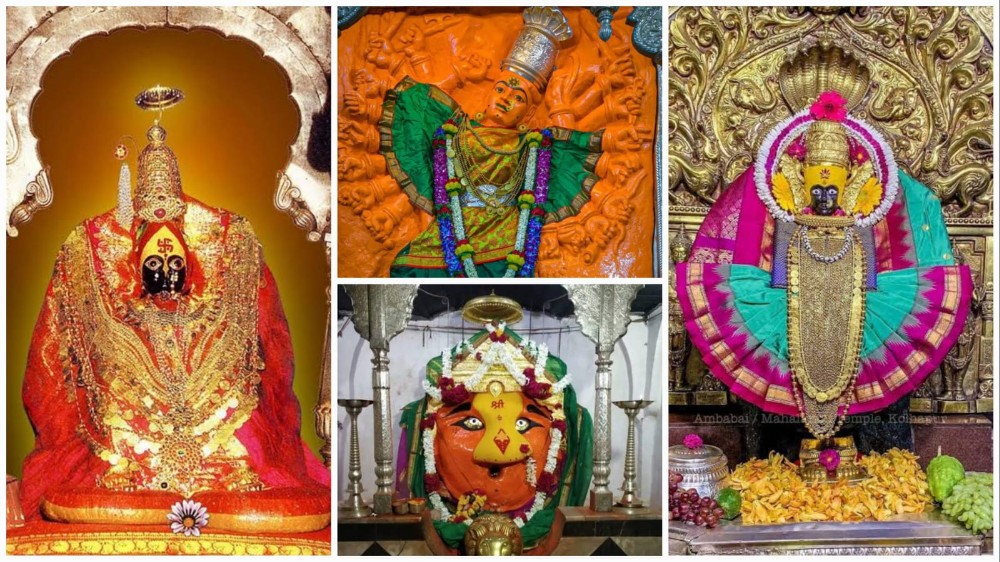
महाराष्ट्रातील शक्तिपीठे इतिहास, पुराणकथा आणि परंपरांशी घट्ट जोडलेली आहेत. तुळजापूर (तुळजाभवानी), कोल्हापूर (महालक्ष्मी अंबाबाई), माहूर (रेणुका माता) आणि सप्तश्रृंगी (वणी) ही प्रमुख शक्तिपीठे विशेषतः पूजनीय आहेत. प्रत्येक मंदिराला आपली आगळीवेगळी आख्यायिका, परंपरा आणि धार्मिक विधी आहेत. या मंदिरांची वास्तुकला, देवस्थानांची रचना आणि उत्सवभावना ही महाराष्ट्राच्या सांस्कृतिक वैभवाची साक्ष देतात.
दरवर्षी नवरात्रोत्सव आणि इतर धार्मिक उत्सवांच्या वेळी ही शक्तिपीठे भक्तिभावाने उजळतात. यात्रेच्या काळात येथे धार्मिक विधी, संगीत, लोककला आणि पारंपरिक खाद्यसंस्कृती यांचा समावेश असतो.
भक्तांसाठी शक्तिपीठांची यात्रा ही श्रद्धा आणि आत्मिक समाधानाची अनुभूती असते, तर इतिहासप्रेमी व पर्यटकांसाठी ती महाराष्ट्राच्या जिवंत वारशाचा परिचय करून देते. या ब्लॉगमधून आपण महाराष्ट्रातील शक्तिपीठांच्या त्या पवित्र यात्रेला सुरुवात करू, जिथे अध्यात्म, इतिहास आणि संस्कृती एकत्र येऊन एक अविस्मरणीय अनुभव घडवतात.
भारतातील प्रमुख शक्तिपीठे (प्रदेशानुसार)
इथे भारतातील शक्तिपीठांची संपूर्ण यादी दिली आहे-
हिंदू पुराणानुसार, देवी सतीचे शरीराचे विविध अवयव किंवा दागिने ज्या ठिकाणी पृथ्वीवर पडले, ती स्थळे शक्तिपीठे म्हणून प्रसिद्ध झाली. देवी भागवत पुराण आणि कालिका पुराण यामध्ये ५१ (किंवा काही मते १०८) शक्तिपीठांचा उल्लेख आहे.
१. उत्तर भारत
वैष्णो देवी – जम्मू आणि काश्मीर
ज्वालामुखी (ज्वालाजी) – हिमाचल प्रदेश (सतीची जीभ)
चिंतपूरणी – हिमाचल प्रदेश (सतीचे पाय)
नैना देवी – हिमाचल प्रदेश (सतीचे नेत्र)
कांगडा (बज्रेश्वरी देवी) – हिमाचल प्रदेश (सतीचा डावा स्तन)
मांसा देवी – हरिद्वार, उत्तराखंड
कामाख्या देवी (कामेश्वरी) – आसाम (सतीचे योनिस्थान)
२. पश्चिम भारत
अंबाजी मंदिर – गुजरात (सतीचे हृदय)
हिंगलाज माता – बलुचिस्तान (पाकिस्तान – सतीचे मस्तक)
कालिका माता मंदिर (पावागड) – गुजरात
महालक्ष्मी मंदिर (कोल्हापूर) – महाराष्ट्र (सतीचा चेहरा)
तुळजाभवानी मंदिर (तुळजापूर) – महाराष्ट्र
सप्तश्रृंगी देवी (वाणी, नाशिक) – महाराष्ट्र (सतीचा उजवा हात)
रेणुका माता (माहूर) – महाराष्ट्र (सतीचा डावा हात)
३. पूर्व भारत
काळीघाट मंदिर – कोलकाता, पश्चिम बंगाल (सतीचा उजवा अंगठा)
कामाख्या मंदिर – गुवाहाटी, आसाम (सतीचे योनिस्थान)
तारापीठ – पश्चिम बंगाल (सतीचे तिसरे डोळे)
नलहाटी (नलतेश्वरी मंदिर) – पश्चिम बंगाल
अट्टहास मंदिर (लाभपूर) – पश्चिम बंगाल (सतीचे ओठ)
कंकालीतळ – पश्चिम बंगाल (सतीच्या हाडांचा भाग)
भैरवी मंदिर – त्रिपुरा
४. दक्षिण भारत
कांची कामाक्षी – तमिळनाडू
कन्याकुमारी देवी मंदिर – तमिळनाडू
श्रृंगेरी शारदाम्बा मंदिर – कर्नाटक
विशालाक्षी मंदिर (वाराणसी) – उत्तर प्रदेश
योगुलांबा मंदिर (आलमपूर) – तेलंगणा
चामुंडेश्वरी मंदिर (म्हैसूर) – कर्नाटक
५. मध्य आणि इतर भारत
पाटण देवी मंदिर – पाटणा, बिहार
मिथिला (जनकपूर) – बिहार–नेपाळ सीमेवर
उज्जैनी महाकाली मंदिर – मध्य प्रदेश
रतनगढ माता मंदिर – मध्य प्रदेश
कीरीटकोण (कीरीट शक्तिपीठ) – झारखंड
भैरवी मंदिर (चिकमंगळूर) – कर्नाटक
महाराष्ट्रातील साडेतीन शक्तीपीठे
तुळजापूर – महाराष्ट्राचे पवित्र शक्तिपीठ
धाराशिव जिल्ह्यातील तुळजापूर हे महाराष्ट्रातील एक अत्यंत पवित्र तीर्थस्थान असून, ते देवीभक्तांसाठी श्रद्धास्थान मानले जाते. बलाघाट पर्वतरांगामध्ये वसलेले हे नगर तुळजाभवानी मंदिरासाठी प्रसिद्ध आहे. भारतातील ५१ शक्तिपीठांपैकी एक असलेल्या या मंदिराला दरवर्षी लाखो भाविक भेट देतात.
तुळजाभवानी मंदिर १२व्या शतकात बांधले गेले असे मानले जाते. नंतर मराठा कालखंडात त्याचे जतन व संवर्धन केले गेले. छत्रपती शिवाजी महाराज हे तुळजाभवानीचे भक्त होते. इतिहासात उल्लेख आहे की देवीने शिवाजी महाराजांना स्वतःची ‘भवानी तलवार’ दिली होती. ही तलवार स्वराज्य स्थापनेत वीरतेचे प्रतीक ठरली. या ऐतिहासिक संदर्भामुळे तुळजापूरचे महत्त्व अधिकच वाढते.
शक्तिपीठ म्हणून तुळजापूरला विशेष महत्त्व आहे. देवी भवानी ही अदीशक्तीचे रूप मानली जाते. मंदिरातील गर्भगृहात उभी असलेली देवीची मूर्ती उग्र पण रक्षणकारी रूपात आहे. मूर्ती शास्त्राच्या दृष्टीने ही मूर्ती महिषासुरमर्दिनीची असून तिला आठ भुजा आहेत.नवरात्रीत येथे भव्य उत्सव, मिरवणुका व धार्मिक विधी होतात. या काळात संपूर्ण शहरात भक्तिमय वातावरण निर्माण होते. भाविकांना विश्वास आहे की भवानी माता आपली मनोकामना पूर्ण करून भक्तांचे रक्षण करते.
धार्मिक महत्त्वाबरोबरच तुळजापूर हे पर्यटन स्थळ म्हणूनही आकर्षक आहे. मंदिराचे प्रवेशद्वार, कोरीव स्तंभ, तसेच कल्लोल तीर्थ, मानकेश्वर तीर्थ, यांसारखी पवित्र कुंडे पाहण्यासारखी आहेत. या तीर्थांमध्ये स्नान केल्याने पुण्य लाभतो असे मानले जाते. मंदिर परिसरातील गजबजलेल्या गल्लीबोळांमध्ये प्रसाद, फुले, नारळ व विविध पूजेच्या वस्तू मिळतात, ज्यामुळे यात्रेचे वातावरण अधिक रंगतदार होते.
तुळजापूरचा निसर्गही मन मोहून टाकतो. बालाघाट पर्वतरांगेतील डोंगर-दऱ्यांमुळे येथे शांत व निसर्गरम्य वातावरण लाभते. धार्मिक यात्रेसोबतच निसर्ग अनुभवण्याचे समाधान येथे मिळते. तुलजापूरच्या आसपास नळदुर्ग किल्ला, जो महाराष्ट्रातील मोठ्या किल्ल्यांपैकी एक मानला जातो, तसेच उस्मानाबादची लेणी हेही पाहण्याजोगे ठिकाणे आहेत.
नवरात्रीत तुळजापूरात मोठा जत्रा उत्सव भरतो. या उत्सवाला महाराष्ट्राबरोबरच कर्नाटक, तेलंगाना आणि आंध्रप्रदेश येथूनही भाविक मोठ्या संख्येने येतात. जत्रेमध्ये भक्तिगीते, लोकनृत्य, पारंपरिक खाद्यपदार्थ आणि स्थानिक हस्तकला यामुळे संपूर्ण परिसर सांस्कृतिक रंगाने नटतो.
एकूणच, तुळजापूर हे केवळ धार्मिक स्थळ नाही तर महाराष्ट्राच्या इतिहास, संस्कृती आणि भक्तिभावाचे प्रतीक आहे. छत्रपती शिवाजी महाराजांचा वारसा, शक्तिपीठाचे महत्त्व आणि निसर्ग-धार्मिक पर्यटन यांचा संगम तुळजापूराला अद्वितीय बनवतो. तुळजापूरची यात्रा ही फक्त देवदर्शन नव्हे, तर महाराष्ट्राच्या जिवंत परंपरेचा अनुभव घेण्याची एक अनोखी संधी आहे.
अंतर तुळजापूर ते- सोलापूर-40 किमी, पंढरपूर-113 किमी, अक्कलकोट-67 किमी, पुणे-249 किमी, मुंबई-474 किमी, छत्रपती संभाजी नगर-263 किमी, नागपूर-550 किमी.
कोल्हापूर – महाराष्ट्राचे ऐतिहासिक आणि आध्यात्मिक केंद्र
पंचगंगेच्या तीरावर वसलेले कोल्हापूर हे शहर इतिहास, अध्यात्म आणि संस्कृती यांचा अद्भुत संगम आहे. ‘दक्षिण काशी’ म्हणून ओळखले जाणारे कोल्हापूर हे प्राचीन काळापासून यात्रेकरूंना व पर्यटकांना आकर्षित करत आले आहे. कोल्हापूरचे प्रमुख वैशिष्ट्य म्हणजे येथील महालक्ष्मी (अंबाबाई) मंदिर, जे भारतातील ५१ शक्तिपीठांपैकी एक मानले जाते.
महालक्ष्मी मंदिर हे कोल्हापूरचा आत्मा मानले जाते. प्रचलित कथेनुसार सतीदेवीच्या अंगाचे अवयव ज्या ठिकाणी पडले ते शक्तिपीठ मानले जाते. कोल्हापूरात देवीचे तीन डोळे पडले असे मानले जाते. सातव्या शतकात चालुक्यांनी बांधलेले हे मंदिर नंतर शिलाहार, यादव आणि मराठा राजांनी विस्तारले. काळ्या दगडातील अंबाबाईची मूर्ती नवरत्नांनी अलंकृत असून ती समृद्धी, शक्ती आणि रक्षण यांचे प्रतीक आहे. भाविकांचा विश्वास आहे की अंबाबाईचे दर्शन घेतल्याने मनोकामना पूर्ण होतात.
कोल्हापूर हे मराठा साम्राज्याच्या इतिहासातही महत्त्वाचे स्थान होते. भोसले घराण्याची राजधानी असलेल्या या शहराने मराठा सामर्थ्याला उभारी दिली. येथील नवीन राजवाडा (न्यू पॅलेस) हा इंडो-सरासेनिक शैलीतील भव्य नमुना असून आज संग्रहालय म्हणून खुले आहे. येथे शस्त्रसंग्रह, शिकारखुणा व राजघराण्याच्या वस्तू पाहता येतात.
धार्मिक महत्त्वाबरोबरच कोल्हापूर हे पर्यटनाचे केंद्र आहे. काही विशेष आकर्षणे अशी आहेत:
रंकाळा तलाव – डोंगर व हिरवाईने वेढलेला हा तलाव पर्यटकांसाठी रमणीय ठिकाण आहे. संध्याकाळी फेरी, बोटिंग आणि स्थानिक खाद्यपदार्थांचा आनंद घेता येतो.
ज्योतिबा मंदिर – कोल्हापूरपासून १७ कि.मी. अंतरावर टेकडीवर वसलेले हे मंदिर नवरात्र व चैत्र यात्रेत गजबजून जाते.
पन्हाळा किल्ला – शिवरायांशी निगडित असलेला हा ऐतिहासिक किल्ला कोल्हापूरपासून अवघ्या २० कि.मी.वर असून सह्याद्री पर्वतरांगेचे अप्रतिम दृश्य येथे दिसते. युनेस्कोच्या जागतिक वारसा स्थळांच्या यादीमध्ये पन्हाळा किल्ल्याचा समावेश करण्यात आला आहे.
टाऊन हॉल संग्रहालय – प्राचीन नाणी, शिल्पे व ऐतिहासिक वस्तूंचा समृद्ध संग्रह येथे पाहता येतो.
कोल्हापूर केवळ आध्यात्मिक व ऐतिहासिक नाही तर संस्कृती आणि खाद्यसंस्कृतीचेही केंद्र आहे. येथील कोल्हापुरी चप्पल व कोल्हापुरी दागिने जगभरात प्रसिद्ध आहेत. खाद्यप्रेमींसाठी येथेचे झणझणीत तांबडा रस्सा आणि पांढरा रस्सा तसेच कोल्हापुरी मिसळ खास आकर्षण आहे. याशिवाय कुस्ती व शास्त्रीय संगीतातील परंपराही कोल्हापूरला आगळे वेगळे स्थान देते.
येथील नवरात्र उत्सव, किरणोत्सव (जेव्हा सूर्यकिरणे थेट देवीच्या मूर्तीवर पडतात) आणि चैत्र यात्रा हे उत्सव कोल्हापूरला भक्तिभाव व उत्साहाने भारून टाकतात.
एकूणच, कोल्हापूर हे केवळ देवीचे तीर्थक्षेत्र नाही, तर महाराष्ट्राच्या समृद्ध इतिहास व संस्कृतीचे जिवंत प्रतीक आहे. महालक्ष्मी अंबाबाईचे दर्शन, किल्ले व राजवाडे, तलाव व निसर्ग यांचा संगम कोल्हापूरला पर्यटक व भाविकांसाठी अविस्मरणीय अनुभव देतो. कोल्हापूर यात्रा ही भक्तीबरोबरच महाराष्ट्राच्या जिवंत वारशाचा अनुभव घेण्याची एक अद्वितीय संधी आहे.
अंतर कोल्हापूर ते- पुणे २३२ किमी, मुंबई ३७७ किमी, नागपूर ८३४ किमी.
माहूर – महाराष्ट्राचे पवित्र शक्तिपीठ
नांदेड जिल्ह्यातील माहूर हे महाराष्ट्रातील अत्यंत पवित्र तीर्थक्षेत्र मानले जाते. सतपुडा पर्वतरांगामध्ये वसलेले हे शहर रेणुका देवीच्या मंदिरासाठी प्रसिद्ध आहे. भारतातील ५१ शक्तिपीठांपैकी एक असलेले माहूर हे श्रद्धा, इतिहास आणि निसर्ग यांचा सुंदर संगम आहे.
रेणुका देवी मंदिर प्राचीन काळापासून पूजनीय आहे. १२व्या शतकात हे मंदिर बांधले गेले असे मानले जाते. रेणुका देवी या भगवान परशुरामांच्या माता मानल्या जातात. आख्यायिकेनुसार सतीदेवीचे अवयव ज्या ज्या ठिकाणी पडले ते शक्तिपीठ झाले; त्यापैकी माहूरात रेणुका देवीचे अवयव पडल्याने येथे शक्तिपीठ स्थापन झाले. नवरात्रात येथे भाविकांची प्रचंड गर्दी असते व जत्रा-उत्सवामुळे संपूर्ण परिसर भक्तिमय होतो.
माहूरला ऐतिहासिक महत्त्वही आहे. प्राचीन काळी हा भाग गोंड राजांच्या ताब्यात होता, नंतर बहमनी सुलतानांनी येथे आपले बळकट अड्डे निर्माण केले. माहूरगड किल्ला आजही त्या वैभवशाली इतिहासाचे प्रतीक म्हणून उभा आहे. डोंगराच्या माथ्यावर वसलेला हा किल्ला त्याच्या रणनीतिक महत्त्वाची साक्ष देतो.
रेणुका देवी मंदिराबरोबरच माहूरात इतरही धार्मिक स्थळे पाहण्यासारखी आहेत. दत्तात्रेय मंदिर, जे भगवान दत्तात्रेयांचा जन्मस्थळ मानले जाते, तसेच अनसूया देवी मंदिर हे देखील भाविकांना आकर्षित करते. डोंगर-दऱ्या आणि जंगलांनी वेढलेले हे मंदिरे यात्रेकरूंना शांतता व अध्यात्मिक अनुभव देतात.
एकूणच, माहूर हे केवळ शक्तिपीठ नाही तर इतिहास, पुराणकथा आणि निसर्ग यांचा अद्भुत संगम आहे. भक्तांसाठी हे आस्थेचे ठिकाण असून पर्यटकांसाठी महाराष्ट्राच्या आध्यात्मिक व सांस्कृतिक वारशाची झलक दाखवणारे एक अविस्मरणीय पर्यटनस्थळ आहे.
अंतर माहूर ते– पुणे- 632 किमी, मुंबई- 660 किमी, छत्रपती संभाजी नगर- 320 किमी, नागपूर-232 किमी.,नांदेड- 124 किमी
सप्तश्रृंगी – महाराष्ट्राचे अद्भुत शक्तिपीठ
नाशिक जिल्ह्यातील वणी गावाजवळ सह्याद्री पर्वतरांगांमध्ये वसलेले सप्तश्रृंगी हे भारतातील एक अत्यंत पवित्र तीर्थक्षेत्र मानले जाते. ‘सप्तश्रृंगी’ म्हणजे सात शिखरांचा पर्वत. यापैकी एका शिखरावर सप्तश्रृंगी निवासिनी देवीचे मंदिर वसलेले असून ते घनदाट जंगल आणि निसर्गसंपन्न दऱ्यांनी वेढलेले आहे.
हे मंदिर भारतातील ५१ शक्तिपीठांपैकी एक असून याला विशेष धार्मिक महत्त्व आहे. पुराणकथेनुसार सतीदेवीचा उजवा हात येथे पडल्याने हे स्थळ शक्तिपीठ म्हणून पूजले जाते. देवीची मूर्ती अठरा हातांची असून प्रत्येक हातात शस्त्र आहे. हे रूप तिच्या शक्ती, रक्षण आणि दैवी सामर्थ्याचे प्रतीक मानले जाते. पुराणग्रंथांमध्ये या स्थळाचा उल्लेख आढळतो, ज्यामुळे याचे पौराणिक महत्त्व अधोरेखित होते.
इतिहासातही सप्तश्रृंगीला विशेष स्थान आहे. स्थानिक राजे व संतांनी या मंदिराचे जतन केले. डोंगर माथ्यावरील या मंदिरापर्यंत पोहोचण्यासाठी दगडी पायऱ्या व चढणी पार करावी लागतात. भाविक हे कठीण मार्ग भक्तीभावाने पार करून देवीचे दर्शन घेतात.
धार्मिक महत्त्वाबरोबरच सप्तश्रृंगीचे निसर्गसौंदर्य मन मोहून टाकते. समुद्रसपाटीपासून सुमारे १,२३० मीटर उंचीवरून दिसणारे डोंगर, दऱ्या आणि पावसाळ्यात निर्माण होणारे धबधबे अप्रतिम दिसतात. मंदिराभोवतालच्या जंगलात जैवविविधतेची संपदा आहे, ज्यामुळे या परिसराचे सौंदर्य अधिक खुलते.
सप्तश्रृंगी परिसरात मार्कंडेय किल्ला, नंदुरी गाव, तसेच वणी परिसरातील रमणीय ठिकाणेही पर्यटकांसाठी आकर्षण ठरतात. नवरात्रीत येथे मोठी यात्रा भरते. भाविकांची गर्दी, जत्रा व सांस्कृतिक कार्यक्रमांमुळे संपूर्ण परिसर उत्साहाने भरून जातो.
एकूणच, सप्तश्रृंगी हे केवळ शक्तिपीठ नाही तर श्रद्धा, इतिहास आणि निसर्ग यांचा संगम आहे. येथे येणाऱ्या प्रत्येकाला अध्यात्मिक समाधानाबरोबरच महाराष्ट्राच्या अद्भुत निसर्गाचा अनुभव मिळतो.
अंतर सप्तशृंगी ते- पुणे- २८५ किमी, मुंबई- २६४ किमी, छत्रपती संभाजी नगर- २४९ किमी, नागपूर- ६९४ किमी., नाशिक- ६४ किमी
सारांश
महाराष्ट्र ही अध्यात्मिकतेने समृद्ध आणि सांस्कृतिक वारशाने उजळलेली भूमी आहे. येथे देवी शक्तीला अर्पण केलेली काही अतिशय पूजनीय शक्तिपीठे आहेत. या पवित्र स्थळांना दैवी उर्जेची केंद्रे मानले जाते. पुराणानुसार, सतीदेवीच्या अंगाचे अवयव ज्या स्थळी पडले तेथे शक्तिपीठांची स्थापना झाली. महाराष्ट्रातील ही स्थाने आजही लाखो भक्तांच्या श्रद्धेचे आधारस्थान आहेत.
महाराष्ट्रातील प्रमुख शक्तिपीठांमध्ये तुळजापूरचे तुळजाभवानी मंदिर, जे छत्रपती शिवाजी महाराजांचे कुलदैवत मानले जाते; कोल्हापूरचे महालक्ष्मी (अंबाबाई) मंदिर, समृद्धी व सामर्थ्याचे प्रतीक; माहूरचे रेणुका माता मंदिर, परशुरामाची माता म्हणून पूजनीय; आणि वणी येथील सप्तश्रृंगी देवी, जिथे देवी अठरा हातांनी प्रकट झालेली मानली जाते, यांचा समावेश होतो. ही सर्व शक्तिपीठे केवळ धार्मिक केंद्रच नाहीत, तर महाराष्ट्राच्या इतिहास, परंपरा आणि अभिमानाचे प्रतीक आहेत.
दरवर्षी नवरात्रोत्सवाच्या काळात ही मंदिरे भक्तिभावाने उजळून निघतात. लाखो भाविक येथे एकत्र येऊन पूजा-अर्चा, यात्रा व जत्रांमध्ये सहभागी होतात. या काळात भजन, कीर्तन, लोककला, नृत्य आणि पारंपरिक खाद्यसंस्कृती यामुळे वातावरण अधिक मंगलमय होते. याशिवाय, या मंदिरांची वैशिष्ट्यपूर्ण वास्तुकला आणि निसर्गरम्य परिसर पर्यटकांनाही आकर्षित करतात.
Shaktipeeth: Sacred Places of the Mother Goddess
Maharashtra is a region known for its rich cultural heritage and spiritual traditions. There are many holy places in this land, in which Shaktipeeths are considered to be of special importance. These holy places of Goddess Shakti have been the center of faith and devotion of devotees since time immemorial. According to mythology, Shaktipeeths were established at the places where the limbs of Sati Devi fell. Therefore, these places are considered centers of divine energy. There are many such Shaktipeeths in Maharashtra, which are not only important religiously but also as historical and cultural heritage.
Shaktipeeths in Maharashtra are closely linked to history, mythology and traditions. The major Shaktipeeths of Tuljapur (Tuljabhavani), Kolhapur (Mahalakshmi Ambabai), Mahur (Renuka Mata) and Saptashrungi (Vani) are particularly revered. Each temple has its own unique legend, tradition and religious rituals. The architecture of these temples, the design of the temples and the festive spirit testify to the cultural splendor of Maharashtra.
Every year during Navratri and other religious festivals, these Shaktipeeths are lit up with devotion. During the pilgrimage, not only religious rituals but also music, folk art and traditional food culture are celebrated here.
For devotees, a visit to Shaktipeeths is a feeling of faith and spiritual satisfaction, while for history buffs and tourists, it introduces them to the living heritage of Maharashtra. In this blog, we will begin that sacred pilgrimage to Shaktipeeths in Maharashtra, where spirituality, history and culture come together to create an unforgettable experience.
Major Shaktipeeths in India (by region)
Here is a complete list of Shaktipeeths in India.According to Hindu mythology, the places where various body parts or ornaments of Goddess Sati fell to the earth became famous as Shaktipeeths. The Devi Bhagavata Purana and Kalika Purana mention 51 (or some say 108) Shaktipeeths.
1. North India
Vaishno Devi – Jammu and Kashmir
Jwalamukhi (Jwalaji) – Himachal Pradesh (Sati’s tongue)
Chintpurani – Himachal Pradesh (Sati’s feet)
Naina Devi – Himachal Pradesh (Sati’s eyes)
Kangra (Bajreshwari Devi) – Himachal Pradesh (Sati’s left breast)
Mansa Devi – Haridwar, Uttarakhand
Kamakhya Devi (Kameshwari) – Assam (Sati’s vagina)
2. Western India
Ambaji Temple – Gujarat (Heart of Sati)
Hinglaj Mata – Balochistan (Pakistan – Head of Sati)
Kalika Mata Temple (Pavagad) – Gujarat
Mahalakshmi Temple (Kolhapur) – Maharashtra (Face of Sati)
Tuljabhawani Temple (Tuljapur) – Maharashtra
Saptashrungi Devi (Vani, Nashik) – Maharashtra (Right hand of Sati)
Renuka Mata (Mahur) – Maharashtra (Left hand of Sati)
3. Eastern India
Kalighat Temple – Kolkata, West Bengal (Sati’s right thumb)
Kamakhya Temple – Guwahati, Assam (Sati’s vagina)
Tarapeeth – West Bengal (Sati’s third eye)
Nalhati (Nalateshwari Temple) – West Bengal
Attahasa Temple (Labhpur) – West Bengal (Sati’s lips)
Kankalital – West Bengal (Sati’s bone part)
Bhairavi Temple – Tripura
4. Southern India
Kanchi Kamakshi – Tamil Nadu
Kanyakumari Devi Temple – Tamil Nadu
Sringeri Sharadamba Temple – Karnataka
Vishalakshmi Temple (Varanasi) – Uttar Pradesh
Yogulamba Temple (Alampur) – Telangana
Chamundeshwari Temple (Mysore) – Karnataka
5. Central and other India
Patan Devi Temple – Patna, Bihar
Mithila (Janakpur) – on the Bihar–Nepal border
Ujjain Mahakali Temple – Madhya Pradesh
Ratangadh Mata Mandir – Madhya Pradesh
Keeret Kon (Keeret Shaktipeth) – Jharkhand
Bhairavi Temple (Chikmangalore) – Karnataka
Three and a half Shakti Peethas in Maharashtra
Tuljapur – Maharashtra’s Holy Shaktipeeth
Tuljapur in Dharashiv district is one of the most sacred pilgrimage sites in Maharashtra and is considered a place of worship for devotees of the Goddess. Situated in the Balaghat mountain range, this town is famous for the Tulja Bhavani Temple. One of the 51 Shaktipeeths in India, this temple is visited by lakhs of devotees every year.
Tulja Bhavani Temple is believed to have been built in the 12th century. Later, it was preserved and enhanced during the Maratha period. Chhatrapati Shivaji Maharaj was a devotee of Tulja Bhavani. History mentions that the Goddess had given Shivaji Maharaj her own ‘Bhavani Sword’. This sword became a symbol of valor in establishing Swarajya. This historical context further increases the importance of Tuljapur.
Tuljapur has special importance as a Shaktipeeth. Goddess Bhavani is considered to be the form of Adi Shakti. The idol of the Goddess standing in the sanctum sanctorum of the temple is in a fierce but protective form. According to the Iconography, this idol is of Mahishasuramardini and has eight arms. During Navratri, grand festivals, processions and religious rituals are held here. During this period, a devotional atmosphere is created in the entire city. Devotees believe that Bhavani Mata fulfills their wishes and protects the devotees.
Along with religious importance, Tuljapur is also attractive as a tourist destination. The entrance of the temple, carved pillars, as well as holy tanks like Kallol Tirtha, Manekeshwar Tirtha, are worth seeing. It is believed that bathing in these Tirthas brings merit. Prasad, flowers, coconuts and various items of worship are available in the busy lanes around the temple, which makes the atmosphere of the pilgrimage more colorful.
The nature of Tuljapur is also captivating. The hills and valleys of the Balaghat mountain range provide a peaceful and scenic environment here. Along with the religious pilgrimage, one gets the satisfaction of experiencing nature here. Nearby places to visit include Naldurg Fort, which is considered one of the largest forts in Maharashtra, and the Osmanabad Caves.
A big fair is held in Tuljapur during Navratri. Devotees from Maharashtra, Karnataka, Telangana and Andhra Pradesh also come to this festival in large numbers. The fair features devotional songs, folk dances, traditional food and local handicrafts, giving the entire area a cultural colour.
Overall, Tuljapur is not just a religious place but a symbol of Maharashtra’s history, culture and devotion. The legacy of Chhatrapati Shivaji Maharaj, the importance of Shaktipeeth and the confluence of nature-religious tourism make Tuljapur unique. A visit to Tuljapur is not just a sight to behold, but a unique opportunity to experience the living traditions of Maharashtra.
Distance Tulajapur to– Solapur-40km,Pandharpur-113km,Akkalkot-67km,Pune-249km, Mumbai-474km,Chhatrapati Sambhaji Nagar-263km,Nagpur-550km.
Kolhapur – The Historical and Spiritual Center of Maharashtra
Located on the banks of the Panchganges, Kolhapur is a wonderful confluence of history, spirituality and culture. Known as the ‘Kashi of the South’, Kolhapur has been attracting pilgrims and tourists since ancient times. The main feature of Kolhapur is the Mahalaxmi (Ambabai) Temple here, which is considered one of the 51 Shaktipeeths in India.
The Mahalaxmi Temple is considered the soul of Kolhapur. According to popular legend, the place where the limbs of Sati Devi fell is considered a Shaktipeeth. It is believed that the goddess’s three eyes fell in Kolhapur. Built by the Chalukyas in the 7th century, this temple was later expanded by the Shilahar, Yadav and Maratha kings. The black stone idol of Ambabai is adorned with Navratnas and is a symbol of prosperity, power and protection. Devotees believe that having a darshan of Ambabai fulfills all wishes.
Kolhapur was also an important place in the history of the Maratha Empire. This city, the capital of the Bhonsle dynasty, gave rise to the Maratha power. The New Palace here is a magnificent example of Indo-Saracenic style and is open as a museum today. Here you can see a collection of weapons, hunting relics and royal belongings.
Along with religious importance, Kolhapur is a tourist center. Some of the special attractions are:
Rankala Lake – Surrounded by mountains and greenery, this lake is a delightful place for tourists. In the evening, you can enjoy ferry, boating and local cuisine.
Jyotiba Temple – 17 km from Kolhapur. Situated on a hill, this temple is bustling during Navratri and Chaitra pilgrimages.
Panhala Fort – This historical fort, associated with Shivaji, is just 20 km from Kolhapur and offers a wonderful view of the Sahyadri mountain range. Panhala Fort has been included in the list of UNESCO World Heritage Sites.
Town Hall Museum – A rich collection of ancient coins, sculptures and historical objects can be seen here.
Kolhapur is not only a spiritual and historical center but also a center of culture and food culture. Kolhapuri slippers and Kolhapuri jewelry are famous all over the world. For food lovers, the spicy Tambda Rassa and Pandar Rassa as well as Kolhapuri Misal are a special attraction. Apart from this, the traditions of wrestling and classical music also give Kolhapur a special place.
The festivals of Navratri, Kirnotsav (when the sun’s rays fall directly on the idol of the goddess) and Chaitra Yatra fill Kolhapur with devotion and enthusiasm.
Overall, Kolhapur is not only a pilgrimage site of the goddess, but also a living symbol of the rich history and culture of Maharashtra. The Darshan of Mahalaxmi Ambabai, the confluence of forts and palaces, lakes and nature make Kolhapur an unforgettable experience for tourists and devotees. Kolhapur Yatra is a unique opportunity to experience the living heritage of Maharashtra along with devotion.
Distance Kolhapur to-Pune-232km, Mumbai-377km,Nagpur-834km
Mahur – The Holy Shaktipeeth of Maharashtra
Mahur in Nanded district is considered to be the most sacred pilgrimage site in Maharashtra. This city is located in the Satpura mountain range and is famous for the Renuka Devi temple. Mahur, one of the 51 Shaktipeeths in India, is a beautiful confluence of faith, history and nature.
The Renuka Devi temple has been revered since ancient times. It is believed that this temple was built in the 12th century. Renuka Devi is considered the mother of Lord Parashurama. According to legend, the places where Sati Devi’s limbs fell became Shaktipeeths; among them, Mahur was established here after Renuka Devi’s limbs fell. During Navratri, there is a huge crowd of devotees here and the entire area becomes devotional due to the fair and festival.
Mahur also has historical importance. In ancient times, this area was under the control of the Gond kings, later the Bahmani Sultans established their strongholds here. The Mahurgad fort stands today as a symbol of that glorious history. The fort, situated on a hilltop, bears witness to its strategic importance.
Apart from the Renuka Devi Temple, there are other religious places worth visiting in Mahur. The Dattatreya Temple, which is believed to be the birthplace of Lord Dattatreya, and the Anasuya Devi Temple also attract devotees. Surrounded by hills, valleys and forests, these temples offer a peaceful and spiritual experience to the pilgrims.
Overall, Mahur is not just a Shaktipeeth but a wonderful confluence of history, mythology and nature. It is a place of worship for devotees and an unforgettable tourist destination for tourists that offers a glimpse of the spiritual and cultural heritage of Maharashtra.
Distance Mahur to– Pune-632km, Mumbai-660km,Chhatrapati Sambhaji Nagar-320km,Nagpur-232km.,Nanded-124km
Saptashrungi – The Amazing Shaktipeeth of Maharashtra
Saptashrungi, located in the Sahyadri mountain range near the village of Vani in Nashik district, is considered one of the most sacred pilgrimage sites in India. ‘Saptashrungi’ means the mountain of seven peaks. On one of these peaks, the temple of Saptashrungi Niwasini Devi is situated and is surrounded by dense forests and natural valleys.
This temple is one of the 51 Shaktipeeths in India and has special religious significance. According to the Puranas, this place is worshipped as a Shaktipeeth because the right hand of Sati Devi fell here. The idol of the goddess has eighteen hands and holds a weapon in each hand. This form is considered a symbol of her strength, protection and divine power. This place is mentioned in the Puranas, which underlines its mythological importance.
Saptashrungi also has a special place in history. Local kings and saints preserved this temple. To reach this temple on the top of the mountain, one has to cross stone steps and climb. Devotees cross this difficult path with devotion and take darshan of the goddess.
Along with its religious importance, the natural beauty of Saptashrungi is captivating. The mountains, valleys and waterfalls formed during the monsoons, visible from a height of about 1,230 meters above sea level, look amazing. The forest surrounding the temple is rich in biodiversity, which further enhances the beauty of this area.
In the Saptashrungi area, the Markandeya Fort, Nanduri village, as well as the picturesque places in the Vani area are also attractions for tourists. A big pilgrimage is held here during Navratri. The entire area is filled with excitement due to the crowd of devotees, fairs and cultural programs.
Overall, Saptashrungi is not just a Shaktipeeth but a confluence of faith, history and nature. Everyone who comes here gets to experience the wonderful nature of Maharashtra along with spiritual satisfaction.
Distance Saptashrungi to– Pune-285km, Mumbai-264km,Chhatrapati Sambhaji Nagar-249km,Nagpur-694km.,Nashik-64km
Summary
Maharashtra is a land rich in spirituality and cultural heritage. It is home to some of the most revered Shaktipeeths dedicated to Goddess Shakti. These holy places are considered to be centres of divine energy. According to Puranas, Shaktipeeths were established at the places where the limbs of Sati Devi fell. These places in Maharashtra are still the focus of faith of lakhs of devotees.
Major Shaktipeeths in Maharashtra include Tuljabhavani Temple in Tuljapur, which is considered the ancestral deity of Chhatrapati Shivaji Maharaj; Mahalaxmi (Ambabai) Temple in Kolhapur, a symbol of prosperity and strength; Renuka Mata Temple in Mahur, revered as the mother of Parashurama; and Saptashrungi Devi in Vani, where the Goddess is believed to have manifested with eighteen arms. All these Shaktipeeths are not only religious centres but also symbols of Maharashtra’s history, tradition and pride.
Every year during the Navratri festival, these temples are lit up with devotion. Lakhs of devotees gather here to participate in pujas, yatras and fairs. During this time, the atmosphere becomes more auspicious due to bhajans, kirtans, folk art, dance and traditional food culture. Apart from this, the unique architecture and scenic surroundings of these temples also attract tourists.
Of course, the Shaktipeeths of Maharashtra are not just temples but living symbols of divine energy, historical heritage and cultural tradition. Their yatra offers an experience of faith and spiritual satisfaction for devotees, while for tourists, it offers a glimpse of the living heritage of Maharashtra. Therefore, visiting these holy places is an unforgettable experience of spirituality, history and culture.


 Incredible Heritage
You must be logged in to post a comment.