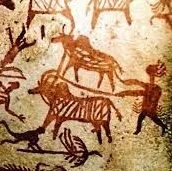

एलिफंटा लेणी, मुंबईपासून सुमारे ११ किलोमीटर अंतरावर वसलेली, भारतातील सर्वात प्रसिद्ध पर्यटन स्थळांपैकी एक मानली जातात. इतिहास, कला, संस्कृती आणि निसर्ग यांचा सुंदर संगम येथे पाहायला मिळतो. घारापुरी किंवा “लेण्यांचे नगर” म्हणून ओळखल्या जाणाऱ्या या बेटावर असलेली लेणी युनेस्कोच्या जागतिक वारसा यादीत समाविष्ट असून पर्यटकांना प्राचीन भारताच्या शिल्पकला आणि वास्तुकलेचा थाट अनुभवायला मिळतो. पाचव्या ते सातव्या शतकात कोरलेल्या या लेण्या प्रामुख्याने भगवान शिवाला अर्पण करण्यात आल्या असून येथील अप्रतिम शिल्पकृती हिंदू पुराणकथांचे दर्शन घडवतात.
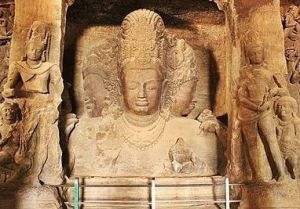
लेण्यांमधील सर्वात प्रसिद्ध आकर्षण म्हणजे भव्य महेशमूर्ती – भगवान शिवाची त्रिमुखी प्रतिमा, जी शिवाच्या सर्जनकर्ता, पालनकर्ता आणि संहारकर्ता या तीन रूपांचे प्रतीक आहे. याशिवाय, अर्धनारीश्वर (शिव-पार्वतीचे संयुक्त रूप), गंगाधर (गंगेचा अवतरण प्रसंग) आणि नटराज (शिवाचा तांडव नृत्य) यांसारख्या शिल्पकृती देखील अप्रतिम आहेत. प्रत्येक कोरीवकामात अध्यात्मिकता आणि कलात्मकतेचे सुंदर दर्शन घडते.लेण्यांपुरतेच नव्हे तर संपूर्ण बेटच पर्यटकांच्या अनुभवात भर घालते. अरबी समुद्राच्या निळ्या पाण्याने वेढलेले हे बेट मुंबईच्या गजबजलेल्या जीवनातून एक शांत विसावा देते. गेटवे ऑफ इंडियावरून जाणारा रमणीय फेरी प्रवास पर्यटनाच्या अनुभवाला आणखी संस्मरणीय बनवतो. लेण्यांच्या परिसरातील स्थानिक विक्रेते आणि लहान दुकाने येथे पारंपरिक रंगत आणतात.
एलिफंटा घारापुरी लेणी केव्हा खोदल्या गेल्या याचे लिखित पुरावे सापडले नाहीत. इसवी सन सहाव्या शतकामध्ये एलीफंटा लेणी खोदल्या गेल्या असाव्यात असे तज्ञांचे मत आहे. येथील लेणी वाकाटक आणि कलचुरी घराण्यातील राजांनी खोदलेल्या आहेत. तर काही तज्ञांच्या मते ही लेणी चालुक्य आणि राष्ट्रकूट राजांनी खोदलेल्या आहेत.एलीफंटा लेणी शैव पंथातील पाशुपत संप्रदायाला समर्पित आहेत. Elephanta Caves Location
एलिफंटा लेण्यांमधील नेत्रदीपक वास्तुकला आणि शिल्पकला
एलिफंटा लेणी पाशुपत स्थापत्य शैलीचा उत्कृष्ट आविष्कार आहेत. या लेण्यांमध्ये प्रामुख्याने शिवाच्या विविध अवतारातील अद्वितीय प्रतिमा आहेत. तसेच रामायण ,महाभारत यातील प्रसंगावर आधारित शिल्पकाम देखील या लेण्यांमध्ये पाहावयास मिळते. पूर्व पश्चिम आणि उत्तर अशा तीन बाजू या लेण्याला आहेत. उत्तरेकडील प्रवेश मंडप हेच मुख्य प्रवेशद्वार आहे. या ठिकाणी एकूण सात लेणी आहेत. त्यापैकी क्रमांक एक ते पाच या हिंदू लेणी आहेत तर क्रमांक सहा आणि सात या बौद्ध लेणी आहेत.घारापुरी येथील बेटावर तीन गावे असून सुमारे दोन हजार लोक वस्ती आहे.
भव्य शिवाच्या मूर्ती
त्रिमूर्ती शिव- एलिफंटा लेणी येथील क्रमांक एकचे लेणे ग्रेट गुंफा म्हणून ओळखले जाते.यामध्ये शिवाची सर्वात प्रसिद्ध त्रिमूर्ती किंवा महेश मूर्ती अतिशय वैशिष्ट्यपूर्ण अशी आहे. या मूर्तीला तीन मुख असून तिन्ही चेहऱ्यावर शांती ,उग्रपणा आणि प्रेम या भावना दाखविल्यामुळे हे मूर्ती शिल्प अद्वितीय बनले आहे. महाराष्ट्र पर्यटन महामंडळाच्या लोगो साठी येथील त्रिमूर्ती शिवाची प्रतिमा वापरली आहे .
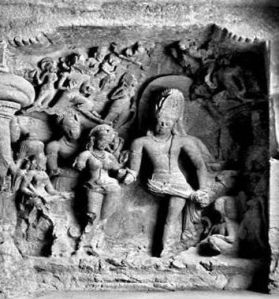
कल्याणसुंदरमूर्ती शिव – एलिफंटा घारापुरी लेणी येथील वैशिष्ट्यपूर्ण कल्याण सुंदरमूर्ती पर्यटकांचे आकर्षण केंद्र आहे.एलिफंटा लेणी येथील शिवपार्वती विवाहाचा प्रसंग दर्शविणारा भव्य शिल्पपट असून मूर्तीविज्ञाना मध्ये या मूर्तीला कल्याणसुंदर मूर्ती असे म्हणतात. याशिवाय लकुलीषाची तपश्चर्या, पार्वती बरोबर द्यूत क्रीडा, रावणानुग्रह,अर्धनारी शिव, डोक्यावर गंगा धारण करणारा गंगाधर शिव, गजासुर आणि अंधकासुर या दोन राक्षसांचा वध करणारा शिव दाखविणारे भव्य शिल्पपट एलिफंटा गुंफेमध्ये पर्यटकांचे आकर्षण स्थळ आहेत.
लेणे क्रमांक 6 आणि 7 एलिफंटा लेणी
लेणे क्रमांक 6 एलिफंटा लेणी- म्हणजे चैत्यविहार असावे. समोर भव्य मंडप आणि मागील भिंतीमध्ये तीन गर्भगृह आहेत. तीन पैकी एका गर्भगृहात पोर्तुगीजांनी चर्च सारखा वापर केला होता. गुंफा क्रमांक सहा सीताबाई चे मंदिर या नावाने ओळखली जाते.लेणे क्रमांक 7 एलिफंटा लेणी- खूप पडझड झालेली आहे .पोर्तुगीज सैन्य या ठिकाणी युद्धसराव करत असताना अनेक शिल्प व मूर्ती उद्ध्वस्त झालेल्या आहेत.
पर्यटकांसाठी सोयी सुविधा एलिफंटा घारापुरी लेणी
एलिफंटा लेणी घारापुरीचे भौगोलिक स्थान रायगड जिल्ह्यातील तालुका उरण येथे आहे.मुंबईच्या प्रसिद्ध गेटवे ऑफ इंडिया येथील समुद्रकिनाऱ्यावरून बोटीने घारापुरीला जाता येते. मुंबई ते एलिफंटा गुंफा अंतर साधारणपणे 11 किलोमीटर इतके आहे.एलिफंटा लेणी येथे पर्यटक दोन ते तीन तास पर्यटनाचा आनंद घेऊ शकतात. या ठिकाणी टॉय ट्रेन मधून सफारी करता येते. विविध प्रकारच्या खाद्यपदार्थांचे स्टॉल्स या ठिकाणी आहेत. या ठिकाणी जाण्यासाठी ऑक्टोबर ते मे महिना अनुकूल असा काळ आहे. एलिफंटा लेणी चा इतिहास, स्थापत्य आणि शिल्पकला यांची माहिती देण्यासाठी पर्यटक मार्गदर्शक गाईड उपलब्ध आहेत. एलिफंटा लेणी देश विदेशातील पर्यटकांचे आकर्षण केंद्र आहे.
सारांश
एलिफंटा लेणी, मुंबईजवळील एलिफंटा बेटावर वसलेली, इतिहास, कला, अध्यात्म आणि निसर्ग यांचा अद्भुत संगम दर्शवतात. युनेस्कोच्या जागतिक वारसा यादीत समाविष्ट झालेल्या या लेण्यांचा उगम पाचव्या ते सातव्या शतकात झाला. कठीण बेसाल्ट दगडातून कोरलेल्या या लेण्या प्राचीन शिल्पकारांच्या अद्वितीय कौशल्याचे दर्शन घडवतात. येथील विशाल दालने, स्तंभ आणि कोरीवकाम तांत्रिक नेमकेपणाबरोबरच हिंदू पुराणकथांशी निगडित धार्मिक भावनांनाही प्रकट करतात.
एलिफंटा लेण्यांतील सर्वात महत्त्वाचे वैशिष्ट्य म्हणजे भगवान शिवाला अर्पण केलेली शिल्पकला. त्यातील सर्वात आकर्षक म्हणजे सुमारे २० फूट उंच महेशमूर्ती, ज्यात शिवाचे सर्जनकर्ता, पालनकर्ता आणि संहारकर्ता हे त्रिरूप प्रतीत होते. याशिवाय अर्धनारीश्वर (शिव-पार्वतीचे संयुक्त रूप), गंगाधर (गंगेचे अवतरण) आणि नटराज (शिवाचे तांडवनृत्य) यांसारखी शिल्पे देखील अप्रतिम आहेत. प्रत्येक शिल्प पुराणकथांतील एखादी कथा जिवंत करतं आणि त्या काळातील कलात्मक कल्पकतेचे दर्शन घडवतं.
लेण्यांसोबतच हे संपूर्ण बेटच पर्यटकांच्या अनुभवाला समृद्ध करतं. अरबी समुद्राच्या निळ्या पाण्याने वेढलेले एलिफंटा बेट मुंबईच्या गजबजलेल्या जीवनातून एक शांत विसावा देते. गेटवे ऑफ इंडियावरून जाणारा रमणीय फेरी प्रवास या अनुभवाला आणखी मोहक बनवतो, तर बेटावरील लहान बाजारपेठा आणि खाद्यपदार्थांच्या दुकानांमुळे स्थानिक संस्कृतीची झलक मिळते.
आज एलिफंटा लेणी हे इतिहासप्रेमी, कला आणि शिल्पकलेचे रसिक, तसेच अध्यात्मिक शोध घेणाऱ्यांसाठी जागतिक आकर्षण ठरले आहे. प्राचीन वास्तुकला, अप्रतिम शिल्पकला आणि निसर्गरम्य परिसर यांचा संगम एलिफंटा लेणींना भारतातील एक संस्मरणीय वारसा स्थळ बनवतो.
हेही वाचा– Chhatrapati Shivaji Maharaj Terminus: UNESCO World Heritage Site
Elephanta Caves
Elephanta Caves, located about 11 km from Mumbai, are considered one of the most famous tourist destinations in India. A beautiful blend of history, art, culture and nature can be seen here. Known as Gharapuri or the “City of Caves”, the caves on this island are included in the UNESCO World Heritage List and allow tourists to experience the splendor of ancient Indian sculpture and architecture. Carved between the 5th and 7th centuries, these caves are mainly dedicated to Lord Shiva and the amazing sculptures here depict scenes from Hindu mythology.
The most famous attraction in the caves is the magnificent Maheshmurti – a three-faced image of Lord Shiva, which symbolizes the three forms of Shiva – the creator, the preserver and the destroyer. Apart from this, sculptures like Ardhanarishwar (the combined form of Shiva-Parvati), Gangadhar (the descent of the Ganges) and Nataraja (Shiva’s Tandava dance) are also amazing. Each carving is a beautiful display of spirituality and artistry. Not just the caves, but the entire island adds to the tourist experience. Surrounded by the blue waters of the Arabian Sea, this island offers a peaceful respite from the hustle and bustle of Mumbai. A scenic ferry ride from the Gateway of India makes the tourist experience even more memorable. The local vendors and small shops around the caves add a traditional touch to the place.
No written evidence has been found as to when the Elephanta Caves were excavated. Experts believe that the Elephanta caves were dug in the sixth century AD. The caves here are excavated by kings of the Vakataka and Kalachuri dynasties. Some experts believe that these caves were dug by the Chalukya and Rashtrakuta kings. The Elephanta caves are dedicated to the Pashupat sect of Shaivism.
Spectacular Architecture and Sculpture at Elephanta Caves
The Elephanta Caves are a masterpiece of Pasupat architectural style. These caves mainly contain unique images of Shiva in various incarnations. Also, sculptures based on scenes from Ramayana and Mahabharata can be seen in these caves. There are three sides to take: East, West and North. The north entrance pavilion is the main entrance. There are total seven caves in this place. Among them number one to five are Hindu caves while number six and seven are Buddhist caves. There are three villages on the island of Gharapuri with a population of about two thousand people.
Magnificent Idols of Shiva
Trimurti Shiva – A typical Shiva idol in Elephanta is known as the Trimurti Great Cave and the most famous Trimurti or Mahesh Murti of Shiva is very unique as it has three faces and all the three faces show emotions of peace ferocity and love making this idol sculpture unique. The image of Trimurti Shiva has been used for the logo of the Maharashtra Tourism Corporation.
Kalyansundermurti Shiva– A magnificent sculpture depicting the wedding scene of Shivaparvati in the characteristic Shivapratima at Elephanta, this idol is called Kalyansundera Murti in iconography. Apart from this, magnificent sculptures depicting Lakulisha’s penance, Deut sports with Parvati, Ravana Anugriha, Ardhnari Shiva, Gangadhar Shiva holding Ganga on his head, Shiva slaying two demons Gajasur and Andhakasur are the tourist attractions in Elephanta Caves.
Cave Number 6 and 7 at Elephanta caves
Cave Number 6 should be Chaitya Vihara. There is a grand pavilion in front and three sanctuaries in the back wall. One of the three sanctuaries was used by the Portuguese as a church. Cave number six is known as Sitabai’s temple.Cave Number 7 is very dilapidated. Many sculptures and idols have been destroyed when the Portuguese army was conducting military exercises in this place.
Tourist Facilities at Elephanta Gharapuri Caves
Elephanta Caves Gharapuri is geographically located in Taluka Uran of Raigad District. Gharapuri can be reached by boat from the famous Gateway of India beach in Mumbai. The distance from Mumbai to Elephanta Caves is approximately 11 kilometers. Tourists can enjoy two to three hours of sightseeing at Elephanta Caves. A toy train safari can be done at this place. There are stalls of various kinds of food in this place. October to May is the best time to visit this place. Tourist guides are available to provide information on the history, architecture and sculpture of the Elephanta Caves. Elephanta Caves are the center of attraction for tourists from all over the country.
Summary
Elephanta Caves, located on Elephanta Island near Mumbai, represent a unique blend of history, art, spirituality and nature. These caves, which are included in the UNESCO World Heritage List, originated between the 5th and 7th centuries. Carved from hard basalt rock, these caves showcase the unique skills of ancient sculptors. The vast halls, pillars and carvings here reveal not only technical precision but also religious sentiments associated with Hindu mythology.
The most important feature of the Elephanta Caves is the sculpture dedicated to Lord Shiva. The most attractive of them is the nearly 20-foot-tall Maheshmurti, which appears to be the triad of Shiva as creator, preserver and destroyer. Apart from these, sculptures like Ardhanarishwar (a combined form of Shiva and Parvati), Gangadhar (the incarnation of the Ganges) and Nataraja (Shiva’s Tandavan dance) are also amazing. Each sculpture brings to life a story from the mythology and showcases the artistic creativity of that time.
Along with the caves, the entire island enriches the tourist experience. Surrounded by the blue waters of the Arabian Sea, Elephanta Island offers a peaceful respite from the hustle and bustle of Mumbai. A scenic ferry ride past the Gateway of India adds to the experience, while the small markets and food stalls on the island offer a glimpse into the local culture.
Today, Elephanta Caves has become a global attraction for history buffs, art and sculpture enthusiasts, and spiritual seekers. The combination of ancient architecture, stunning sculptures, and scenic surroundings makes Elephanta Caves one of the most memorable heritage sites in India.


 Incredible Heritage