
उत्तर प्रदेशातील यमुना नदीच्या काठावर वसलेले आग्रा हे भारतातील अत्यंत प्रसिद्ध वारसा स्थळांपैकी एक आहे. आपली भव्य मुघल वास्तुकला, समृद्ध इतिहास आणि कलात्मक परंपरांसाठी ओळखले जाणारे आग्रा शहर भारत आणि जगभरातील लाखो पर्यटकांना आकर्षित करते. हे शहर मध्ययुगीन भारताच्या सांस्कृतिक आणि वास्तुशिल्पीय इतिहासातील एक महत्त्वाचा अध्याय दर्शवते आणि मुघल साम्राज्याशी संबंधित काही उत्कृष्ट वास्तूंचे जतन करते.
आग्र्याचा वारसा हा प्रामुख्याने अकबर, जहांगीर आणि शाहजहान यांसारख्या शक्तिशाली मुघल राज्यकर्त्यांच्या काळाशी घट्ट जोडलेला आहे. हे शहर एक महत्त्वाचे शाही केंद्र बनले, ज्यामुळे येथे भव्य किल्ले, राजवाडे, उद्याने, मशिदी आणि समाधीस्थळे यांची निर्मिती झाली. या वास्तूंपैकी ताजमहाल, आग्रा किल्ला आणि फतेहपूर सिक्री यांना युनेस्कोच्या जागतिक वारसा स्थळांचा दर्जा मिळाला आहे आणि त्या एकत्रितपणे मुघल काळातील उल्लेखनीय वास्तुशिल्पीय कामगिरीचे दर्शन घडवतात.
सम्राट शाहजहानने आपली प्रिय पत्नी मुमताज महल हिच्या स्मरणार्थ बांधलेला ताजमहाल हा मुघल वास्तुकलेचा एक उत्कृष्ट नमुना मानला जातो. त्याचे प्रमाणबद्ध सौंदर्य, संगमरवरावरील नक्षीकाम (इनले वर्क), बारकाव्यांसह केलेली सजावट आणि भव्य परिसर यांमुळे तो प्रेम आणि कलात्मक उत्कृष्टतेचे एक चिरंतन प्रतीक बनला आहे. युनेस्कोचे आणखी एक जागतिक वारसा स्थळ असलेला आग्रा किल्ला, अनेक पिढ्यांमध्ये विकसित झालेल्या मुघल लष्करी आणि राजवाड्यांच्या वास्तुकलेचे प्रतिबिंब दर्शवतो. आग्र्यापासून सुमारे ४० किलोमीटर अंतरावर असलेले फतेहपूर सिक्री हे पर्शियन, मध्य आशियाई आणि भारतीय वास्तुशिल्पीय परंपरांचा संगम असलेल्या एका शाही शहराची सम्राट अकबराची महत्त्वाकांक्षी दृष्टी दर्शवते.
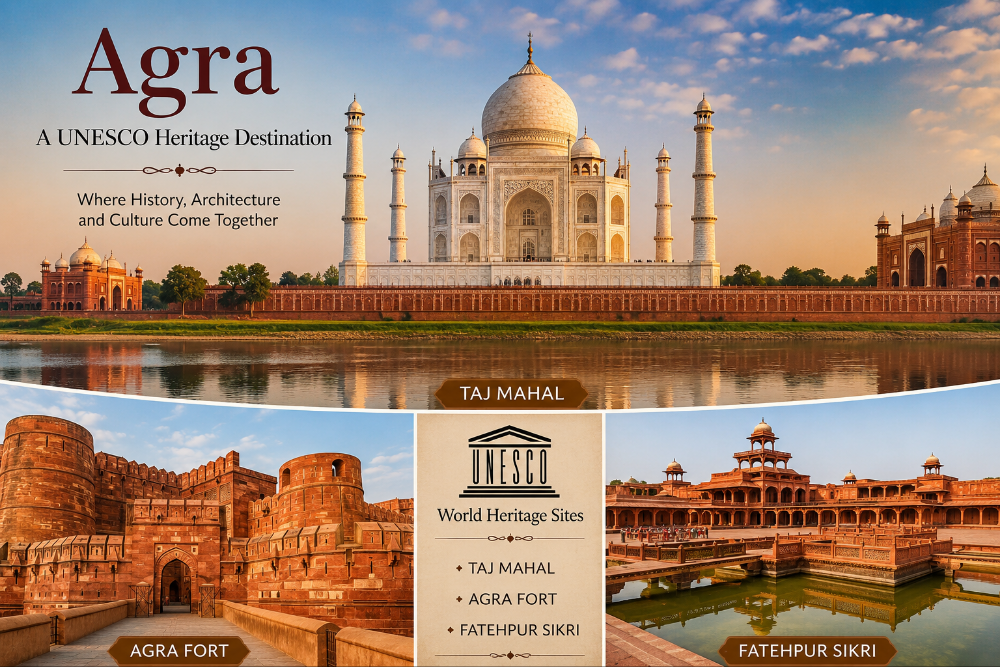
प्रसिद्ध वास्तूंव्यतिरिक्त, आग्रा पारंपरिक कलाकुसर, संगमरवरावरील नक्षीकाम, हस्तकला, खाद्यसंस्कृती आणि ऐतिहासिक परिसरांचे एक आकर्षक सांस्कृतिक स्वरूप सादर करते. येथील युनेस्को वारसा स्थळे पर्यटकांना भारताचा वास्तुशिल्पीय, कलात्मक आणि ऐतिहासिक वारसा समजून घेण्याची संधी देतात.
हा ब्लॉग आग्र्याचा युनेस्को वारसा, येथील वास्तू, इतिहास, वास्तुकला, सांस्कृतिक महत्त्व आणि भारतातील एक प्रमुख वारसा पर्यटन स्थळ म्हणून त्याचे महत्त्व यांवर प्रकाश टाकतो.
ताजमहल
ताजमहल आग्रा येथील युनेस्को वारसा स्थळ आहे.आग्रा येथे मुघल बादशहा शाहजहानने 1631 ते 1648 या काळात त्याची पत्नी मुमताज महल हिच्या स्मृती साठी ताजमहल ची निर्मिती केली. अद्वितीय वास्तू कला हे ताजमहल चे खास वैशिष्ट्य आहे. ताजमहल बांधून पूर्ण होण्यासाठी जवळपास 20 वर्षे लागली. शेकडो कुशल कारागिरांनी अतिशय परिश्रमाने ही वास्तू बांधली आहे. प्रत्यक्ष ताजमहल पाहताना भव्य संगमरवरी वास्तु पाहून पर्यटक आश्चर्यचकित होतात. ताजमहल यमुना नदीच्या काठावर बांधलेले आहे.मुख्य प्रवेशद्वारातून आत प्रवेश केल्यावर दोन्ही बाजूला उद्यान मध्यभागी कारंजे केलेले आहेत. यासाठी यमुना नदीच्या पाण्याचा कुशलतेने उपयोग केला आहे.या सर्व पार्श्वभूमीवर ताजमहलचे सौंदर्य पर्यटकांना प्रभावित करते. ताजमहलच्या प्रांगणात एक मस्जिद आणि अतिथी गृह या वास्तू आहेत. दोन्हीही वास्तू आणि प्रवेशद्वार बांधण्यासाठी लाल रंगाच्या दगडाचा वापर केला आहे.
ताजमहलची वैशिष्ट्ये – ताजमहल ची मुख्य वास्तू हस्ती दंती रंगाच्या संगमरवरी दगडांचा वापर करून बांधलेली आहे. मुख्य वास्तूच्या मध्यभागी मोठा घुमट आणि चार कोपऱ्यांवर उंच मनोरे बांधलेले आहेत. ताजमहल मध्ये मुघल बादशहा शहाजहान आणि मुमताज महल यांच्या कबरी आहेत. मुख्य वास्तूच्या प्रवेशद्वारावर अरबी भाषेत आयात कोरलेले आहेत.बाह्य भिंतीवर पाने, फुले , वेली ,जाळीदार नक्षीकाम कोरलेले आहे. भारतीय आणि पर्शियन स्थापत्य कलेचा अद्वितीय संगम ताजमहल मध्ये पहावयास मिळतो. सूर्योदय आणि सूर्यास्ताच्या वेळी ताजमहल पाहण्यासाठी पर्यटकांची गर्दी असते. विशेषतः सूर्योदयाच्या वेळी सूर्याची सोनेरी किरणे ताजमहलवर पडतात ते सौंदर्य पाहणे आणि अनुभवणे अवर्णनीय आहे.सन 1983 मध्ये युनेस्कोने ताजमहल ला जागतिक वारसा स्थळ मान्यता दिली आहे.सन 2007 मध्ये आंतरराष्ट्रीय स्तरावर प्रसिद्ध असलेल्या सात आश्चर्यांमध्ये सर्वात लोकप्रिय स्थळांची स्पर्धा घेण्यात आली होती. यामध्ये ताजमहल ला प्रथम क्रमांकाची पसंती मिळाली होती. ताजमहल चा इतिहास आणि वास्तुकला याबाबतीत अनेक मतप्रवाह आहेत. असे असले तरी ताजमहल जगभरातील पर्यटकांचे भारतातील सर्वात लोकप्रिय वारसा स्थळ आहे.दरवर्षी सात ते आठ लाख पर्यटक ताजमहल ला भेट देतात.
लाल किल्ला(आग्रा फोर्ट)
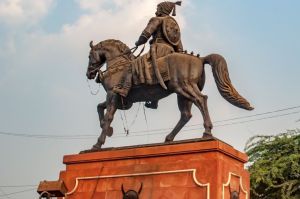
लाल किल्ला आग्रा येथील युनेस्को वारसा स्थळ आहे.आग्रा येथील लाल किल्ला भारताच्या मध्ययुगीन इतिहासातील अतिशय महत्त्वाचा किल्ला आहे 1983 मध्ये युनेस्कोने जागतिक वारसा स्थळ म्हणून लाल किल्ल्याला मान्यता दिली आहे. संपूर्ण किल्ला लाल रंगाच्या दगडांनी बांधलेला असल्यामुळे लाल किल्ला याच नावाने ओळखला जातो.लाल किल्ल्याला भक्कम दुहेरी तटबंदी आहे.किल्ल्यामध्ये दिवाण ई आम, दिवाण ई खास, जहांगीर महल या प्रमुख इमारतींसह राज परिवारातील लोकांना राहण्यासाठी महाल तसेच प्रशासकीय इमारती बांधलेल्या आहेत.शीश महाल-या महालामध्ये भिंतीवर आणि छतावर लहान आकाराचे आरसे बसवलेले आहेत. राजा आणि राणी यांच्यासाठी हा खाजगी महाल बांधलेला आहे. खास महाल -राज परिवारातील लोकांसाठी खास महाल बांधलेला आहे. मोती मस्जिद- पांढऱ्या संगमरवरी दगडापासून ही मस्जिद बांधलेली आहे.नगीना मस्जिद-राज परिवारातील स्त्रियांसाठी ही मस्जिद बांधलेली आहे. लाल किल्ल्याचे मुख्य प्रवेश द्वार लाहोर गेट या नावाने ओळखले जाते.अलीकडच्या काळात लाल किल्ल्याच्या मुख्य प्रवेशद्वारासमोर छत्रपती शिवाजी महाराजांचा भव्य अश्वारूढ पुतळा बसविण्यात आला आहे.
ऐतिहासिक घटनांचा साक्षीदार आग्रा किल्ला– छत्रपती शिवाजी महाराज आणि मिर्झाराजे जयसिंग यांच्यामध्ये झालेल्या पुरंदर येथील तहानुसार छत्रपती शिवाजी महाराज औरंगजेबला भेटण्यासाठी आग्रा येथील लाल किल्ल्यामध्ये गेले होते. त्यावेळी विश्वासघाताने औरंगजेबाने छत्रपती शिवाजी महाराजांना कैदेत ठेवले. पुढे मोठ्या शिताफीने शिवाजी महाराजांनी स्वतःची सुटका करून घेतली. हा प्रसंग लाल किल्ल्यातील दिवाण ई आम (सर्वसामान्यांसाठीचा दरबार हॉल) मध्ये घडला होता. प्रेरणा देणाऱ्या इतिहासाचे स्मरण करण्यासाठी लाल किल्ल्याला भेट देणारे पर्यटक आवर्जून दिवाण ई आम ला भेट देतात. लाल किल्ल्यातील दुसरी महत्त्वाची ऐतिहासिक घटना म्हणजे औरंगजेबने मुघल सत्ता काबीज केल्यानंतर बादशहा शहाजहानला आग्रा येथील याच लाल किल्ल्यात ठेवले होते. लाल किल्ल्यातील ज्या महालात शाहजहानला ठेवले होते त्याला मुसम्मन बुरुज म्हणतात. या ठिकाणाहून ताजमहल दृष्टीस पडतो.ताजमहलकडे पहात मुघल बादशहा शहाजहानने आपला अंतिम श्वास आग्रा येथील लाल किल्ल्यामध्ये घेतला होता.
फतेहपुर सिकरी
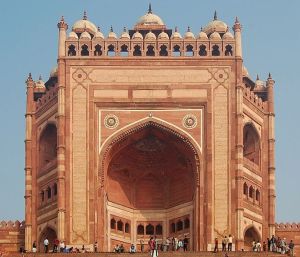
फतेहपुर सिकरी आग्रा येथील युनेस्को वारसा स्थळ आहे. आग्रा शहरापासून 36 कि.मी.अंतरावर फतेहपुर सिक्री हे युनेस्कोने जागतिक वारसा स्थळ म्हणून घोषित केलेले स्थळ आहे. या ठिकाणी मुघल स्थापत्यशैलीमध्ये बांधलेल्या अनेक इमारती पर्यटकांचे खास आकर्षण केंद्र आहे.मुघल बादशाह अकबर याने या शहराची निर्मिती केली. काही वर्षे फतेहपूर सिकरी मुघल साम्राज्याची राजधानी चे शहर होते. बुलंद दरवाजा– गुजरात वर विजय मिळवल्यानंतर मुघल बादशहा अकबर याने फतेहपुर सिक्री मध्ये हा बुलंद दरवाजा बांधला. याची उंची 54 मीटर पासून त्यावरील नक्षीकाम आणि कोरीव लेख प्रेक्षणीय आहे.जामा मस्जिद-भारतातील ही एक मोठी मस्जिद आहे .यामध्ये लाल रंगाचा दगड आणि संगमरवरी दगड यांचा कुशलतेने वापर केला आहे. प्रशस्त प्रांगणात मोठ्या आकाराचे प्रार्थना स्थळ यामध्ये आहे. सुफी संत सलीम चिस्ती दर्गा-जामा मस्जिद मध्येच हा दर्गा आहे.सुफी संत सलीम चिस्ती मुघल बादशाह अकबर यांचे गुरु होते. बादशहा अकबर यांनी त्यांच्या नावावरूनच आपल्या मुलाचे नाव सलीम असे ठेवले होते. सलीम-अनारकली यांची प्रेम कहाणी याच फतेहपुर सिकरी मध्ये घडली होती. त्यासंबंधी अनेक दंतकथा या ठिकाणी प्रचलित आहेत.
🔗 Fatehpur Sikri Agra Location
दिवाण इ खास– यामध्ये प्रतिष्ठित लोकांचा दरबार भरविला जातो.बादशाह अकबराचे मयूरासन याच ठिकाणी होते.दिवाण ई आम-(सर्वसामान्यांसाठीचा दरबार हॉल) यामध्ये बादशाह अकबर सर्वसामान्यांचे प्रश्न सोडवित असे.यामध्ये नक्षीकाम केलेले अनेक स्तंभ आहेत.पंचमहल– फतेहपुर सिक्री येथील ही पाच मजली इमारत असून या इमारतीचा खालचा मजला मोठ्या आकाराचा असून वरचे मजले खालच्या मजल्या पेक्षा लहान आकाराचे आहेत. हिरन मिनार-बादशाह अकबराने आपला लाडका हत्ती हिरन याच्या स्मरणार्थ हा मनोरा बांधलेला आहे. बिरबलचे घर -बादशाह अकबराच्या नवरत्नांपैकी एक रत्न म्हणून चतुर बिरबल याचा समावेश होतो. इतरही काही मंत्र्यांची घरे या परिसरात आहेत. जोधा महल -मुघल स्थापत्य आणि राजपूत स्थापत्य शैलीचा वापर करून ही इमारत बांधलेली आहे. यावर फ्रेस्को पद्धतीने आकर्षक नक्षीकाम केल्यामुळे ही वास्तू वैशिष्ट्यपूर्ण व प्रेक्षणीय झाली आहे. इबादत खाना – या सभागृहात विविध धर्मातील विद्वान व विचारवंत धर्म आणि तत्वज्ञान यावर चर्चा,वाद विवाद करीत असत.यावरून बादशहा अकबराचे धार्मिक धोरण स्पष्ट होते.पर्यटक सुविधा
आग्रा येथील ताजमहल,लाल किल्ला आणि फतेहपुर सिक्री येथे पर्यटकांसाठी आवश्यक त्या सर्व सोयीसुविधा उपलब्ध केलेल्या आहेत.ही तीनही स्थळे युनेस्कोच्या जागतिक वारसा स्थळांच्या यादीमध्ये असल्यामुळे देश विदेशातून मोठ्या प्रमाणात पर्यटक या ठिकाणी येतात.पर्यटन स्थळांमध्ये प्रवेश करण्यासाठी तिकीट आकारले जाते.ऑनलाइन किंवा प्रत्यक्ष तिकीट उपलब्ध आहे.विविध भाषेतून या स्थळांचा इतिहास तसेच वास्तू कला यांची माहिती देणारे मार्गदर्शक या ठिकाणी आहेत.तसेच ऑडिओ गाईडची सोय त्या ठिकाणी आहे. केंद्र सरकार, राज्य सरकार,पुरातत्व विभाग आणि पर्यटन विभाग यांच्या समन्वयातून पर्यटकांसाठी आवश्यक असणाऱ्या सोयीसुविधा उपलब्ध केल्या आहेत.आग्रा येथे पर्यटकांसाठी उत्तम दर्जाचे हॉटेल्स आणि निवास व्यवस्था आहे.
सारांश
आग्रा हे केवळ ताजमहालासाठी प्रसिद्ध असलेले पर्यटन स्थळ नाही, तर मुघल काळातील इतिहास, वास्तुकला, कला आणि परंपरा जपणारा एक अद्वितीय सांस्कृतिक वारसा आहे. येथील युनेस्को जागतिक वारसा स्थळे—ताजमहाल, आग्रा किल्ला आणि फतेहपूर सिक्री—सामूहिकपणे शाही महत्त्वाकांक्षा, वास्तुकलेतील नावीन्य, कलात्मक उत्कृष्टता आणि सांस्कृतिक देवाणघेवाणीची एक असाधारण कथा सांगतात. ही स्मारके भारताच्या मध्ययुगीन वारशाची समृद्धता आणि प्रगल्भता अधोरेखित करतात.
ताजमहाल हे आग्र्याचे सर्वात प्रमुख प्रतीक असून ते मुघल वास्तुविशारद, कलाकार, दगडी कोरीव काम करणारे कारागीर आणि जडाव काम (inlay work) करणाऱ्या कारागिरांच्या उत्कृष्ट कौशल्याचे दर्शन घडवते. आग्रा किल्ला मुघल साम्राज्याच्या राजकीय आणि लष्करी इतिहासाची सखोल माहिती देतो, तर फतेहपूर सिक्री हे विविध वास्तुशिल्पीय आणि सांस्कृतिक प्रभावांतून साकारलेल्या एका शाही शहराबाबतच्या सम्राट अकबराच्या दूरदृष्टीचे प्रतिबिंब आहे. ही स्मारके एकत्रितपणे मुघल वास्तुकलेचा विकास दर्शवतात—ज्यामध्ये तटबंदी असलेल्या संरचनेसह भव्य राजवाडे, समारंभाची ठिकाणे आणि भव्य समाधी-स्मारकांचा समावेश आहे.
तथापि, आग्र्याचा वारसा केवळ युनेस्कोच्या यादीतील स्मारकांपुरता मर्यादित नाही. येथील पारंपरिक हस्तकला, संगमरवरी जडाव काम, वस्त्रोद्योग, खाद्यसंस्कृती, धार्मिक परंपरा आणि ऐतिहासिक शहरी रचना पर्यटकांच्या अनुभवात अधिक भर घालतात. त्यामुळे हे शहर मूर्त (दृश्य) आणि जिवंत अशा दोन्ही प्रकारच्या सांस्कृतिक वारशाचे प्रतिनिधित्व करते.
आग्र्याची स्मारके भावी पिढ्यांसाठी सुरक्षित राहावीत, यासाठी वारसा जतन आणि जबाबदार पर्यटन अत्यंत आवश्यक आहे. शाश्वत पर्यटन हे जतनाच्या प्रयत्नांना मदत करू शकते आणि त्याच वेळी स्थानिक समुदाय, कारागीर, मार्गदर्शक (गाईड्स) व पर्यटनाशी संबंधित व्यवसायांना संधी उपलब्ध करून देऊ शकते.
इतिहास, वास्तुकला, पुरातत्वशास्त्र, कला आणि संस्कृती यात रस असलेल्या पर्यटकांसाठी आग्रा भारताच्या भूतकाळातील एका अविस्मरणीय प्रवासाची संधी देते. येथील युनेस्को वारसा स्थळे केवळ भव्य स्मारके म्हणून नव्हे, तर मानवी सर्जनशीलता आणि सांस्कृतिक यशाची चिरंतन प्रतीके म्हणून उभी आहेत. आग्रा हे भारताच्या अत्यंत महत्त्वाच्या वारसा स्थळांमध्ये स्थान मिळवण्यास खरोखरच पात्र आहे आणि मुघल काळातील वास्तुशिल्पीय व सांस्कृतिक वारसा समजून घेण्यासाठी ते एक महत्त्वपूर्ण प्रवेशद्वार ठरते.
Agra: A UNESCO World Heritage Destination
Agra, situated on the banks of the Yamuna River in Uttar Pradesh, is one of India’s most celebrated heritage destinations. Renowned for its magnificent Mughal architecture, rich history, and artistic traditions, Agra attracts millions of visitors from India and around the world. The city represents an important chapter in the cultural and architectural history of medieval India and preserves some of the finest monuments associated with the Mughal Empire.
Agra’s heritage is closely connected with the reigns of powerful Mughal rulers, particularly Akbar, Jahangir, and Shah Jahan. The city became an important imperial centre, resulting in the construction of magnificent forts, palaces, gardens, mosques, and mausoleums. Among these monuments, the Taj Mahal, Agra Fort, and Fatehpur Sikri have received UNESCO World Heritage recognition and collectively demonstrate the remarkable architectural achievements of the Mughal period.
The Taj Mahal, built by Emperor Shah Jahan in memory of his beloved wife Mumtaz Mahal, is widely regarded as one of the finest examples of Mughal architecture. Its harmonious proportions, exquisite marble inlay work, elaborate ornamentation, and majestic setting make it an enduring symbol of love and artistic excellence. Agra Fort, another UNESCO World Heritage Site, reflects the evolution of Mughal military and palace architecture over several generations. Located about 40 kilometres from Agra, Fatehpur Sikri represents Emperor Akbar’s ambitious vision of an imperial city combining Persian, Central Asian, and Indian architectural traditions.
TAJ MAHAL
Tajmahal is a UNESCO heritage site in Agra.The Tajmahal was built in Agra by the Mughal Emperor Shah Jahan between 1631 and 1648 in memory of his wife Mumtaz Mahal. Unique architecture is a special feature of Taj Mahal. Taj Mahal took almost 20 years to complete. Hundreds of skilled craftsmen have built this vastu with great effort. While seeing the actual Taj Mahal, tourists are amazed to see the magnificent marble structure. The Taj Mahal is built on the banks of the river Yamuna. After entering through the main entrance, the garden is surrounded by fountains on both sides. For this, the water of Yamuna river has been used skillfully. In all this background, the beauty of Taj Mahal impresses the tourists. The Taj Mahal has a mosque and a guest house in its courtyard. Red colored stone has been used to build both the vastu and the entrance.
Features of TAJ MAHAL-The main structure of Taj Mahal is built using hasti-colored marble stones. There is a large dome in the center of the main structure and tall towers at the four corners. The Taj Mahal houses the tombs of Mughal emperors Shah Jahan and Mumtaz Mahal. The entrance to the main building has inscriptions in Arabic. The outer walls are carved with leaves, flowers, vines, and lattice carvings. A unique fusion of Indian and Persian architecture can be seen in the Taj Mahal. Tourists flock to see the Taj Mahal at sunrise and sunset. Especially at sunrise, seeing and experiencing the beauty of the golden rays of the sun falling on the Taj Mahal is indescribable. In 1983, UNESCO recognized the Taj Mahal as a World Heritage Site. In this Taj Mahal got the first choice. There are many opinions regarding the history and architecture of the Taj Mahal. However, Taj Mahal is the most popular heritage site in India for tourists from all over the world. Seven to eight lakh tourists visit Taj Mahal every year.
AGRA Fort(Red Fort)
Red Fort is a UNESCO heritage site in Agra.The Red Fort in Agra is a very important fort in the medieval history of India. In 1983, UNESCO recognized the Red Fort as a World Heritage Site. The Red Fort is known by the same name as the entire fort is built of red colored stones. The red fort has strong double fortifications. The fort has major buildings such as Diwan e Aam, Diwan e Khas, Jahangir Mahal and palaces for the residence of the royal family as well as administrative buildings. The palace has small size mirrors installed on the walls and ceiling. This private palace is built for the king and queen. A special palace is built for the people of the royal family. Moti Masjid- This masjid is built from white marble stone. Nagina Masjid- This masjid is built for women of Raj family. The main entrance of the Red Fort is known as Lahore Gate. In recent times, a magnificent equestrian statue of Chhatrapati Shivaji Maharaj has been installed in front of the main entrance of the Red Fort.
Agra Fort witnessing Historical Events– Chhatrapati Shivaji Maharaj went to the Agra Fort in Agra to meet Aurangzeb as per the Treaty of Purandar between Chhatrapati Shivaji Maharaj and Mirzaraja Jai Singh. At that time, Aurangzeb imprisoned Chhatrapati Shivaji Maharaj by treachery. Later Shivaji Maharaj got rid of himself with great help. This event took place in the Diwan e Aam (Durbar Hall for Commoners) in the Red Fort. Tourists visiting Agra Fort must visit Diwan e Aam to commemorate its inspiring history. Another important historical event is that after Aurangzeb captured Mughal power, Emperor Shah Jahan was kept in this Red Fort at Agra. The palace in Agra Fort where Shah Jahan was kept is called Musamman Buruj. The Taj Mahal can be seen from this place. Mughal Emperor Shah Jahan breathed his last in this Agra Fort while looking at the Taj Mahal.
FATEHPUR SIKRI
Fatehpur Sikri is a UNESCO World Heritage Site at a distance of 36 km from Agra city. Many buildings built in the Mughal architectural style are a special attraction for tourists in this place. Mughal emperor Akbar built this city. Fatehpur Sikri was the capital city of Mughal Empire for some years. Buland Darwaza– Mughal Emperor Akbar built this Buland Darwaza in Fatehpur Sikri after conquering Gujarat. From its height of 54 meters, the carvings and carvings on it are spectacular. Jama Masjid is one of the largest mosques in India. It has a large size prayer hall in a spacious courtyard. Sufi Saint Salim Chisti Dargah-This dargah is located inside the Jama Masjid-Sufi Saint Salim Chisti was the Guru of Mughal Emperor Akbar. Emperor Akbar named his son Salim after him.love story of Salim-Anarkali was took place in Fatehpur Sikri. Many legends related to it are prevalent in this place.
Diwan e Khas– This is where the court of dignitaries is held at Fatehpur Sikri.Emperor Akbar’s Mayurasan (Royal Throne)was at this place. Diwan e Aam (Durbar Hall for Commoners) In this, Emperor Akbar used to solve the problems of commoners. It has many carved columns. Panchmahal– This five storied in Fatehpur Sikri There is a building and the lower floor of this building is large in size and the upper floors are smaller in size than the lower floor. Hiran Minar– This minaret was built by Emperor Akbar in memory of his beloved elephant Hiran. Birbal’s House – Chatur Birbal is included as one of the Navratnas of Emperor Akbar. Some other ministers’ houses are also in this area. Jodha Mahal – This building is built using Mughal architecture and Rajput architectural style. The attractive fresco carving on it has made this vastu unique and spectacular. Ibadat Khana – Scholars and intellectuals of various religions used to discuss and argue about religion and philosophy in this hall. This explains the religious policy of Emperor Akbar.
Tourist Facilities
As all these three places are in the list of UNESCO World Heritage Sites at Agra, a large number of tourists visit this place from the country and abroad have all the necessary facilities for tourists.Tickets are charged to enter the tourist places. Direct tickets are available. There are guides who provide information about the history of these places and the art of architecture in different languages. Also, the facility of an audio guide is available there. The Central Government, State Government, Department of Archeology and Department of Tourism have provided necessary facilities for the tourists through coordination. Agra has good quality hotels and accommodation for tourists.
Summary
Agra is much more than a destination famous for the Taj Mahal; it is a remarkable cultural landscape that preserves the history, architecture, art, and traditions of the Mughal period. Its UNESCO World Heritage Sites—Taj Mahal, Agra Fort, and Fatehpur Sikri—together present an extraordinary story of imperial ambition, architectural innovation, artistic excellence, and cultural interaction. These monuments continue to demonstrate the richness and sophistication of India’s medieval heritage.
The Taj Mahal remains the most iconic symbol of Agra and represents the exceptional craftsmanship of Mughal architects, artists, stone carvers, and inlay craftsmen. Agra Fort provides a deeper understanding of the political and military history of the Mughal Empire, while Fatehpur Sikri reflects Emperor Akbar’s vision of an imperial city shaped by diverse architectural and cultural influences. Together, these monuments illustrate the evolution of Mughal architecture from fortified structures to elaborate palaces, ceremonial spaces, and monumental mausoleums.
Agra’s heritage, however, extends beyond its UNESCO-listed monuments. Its traditional handicrafts, marble inlay work, textiles, cuisine, religious traditions, and historic urban landscape add further depth to the visitor experience. The city therefore represents both tangible and living cultural heritage.
Heritage conservation and responsible tourism are essential for ensuring that Agra’s monuments remain protected for future generations. Sustainable tourism can support conservation efforts while also providing opportunities for local communities, artisans, guides, and tourism-related businesses.
For travellers interested in history, architecture, archaeology, art, and culture, Agra offers an unforgettable journey into India’s past. Its UNESCO heritage sites stand not merely as magnificent monuments but as enduring expressions of human creativity and cultural achievement. Agra truly deserves its place among India’s most important heritage destinations and remains a vital gateway for understanding the architectural and cultural legacy of the Mughal era.


Leave a comment