
मराठा मिलिटरी लँडस्केप म्हणजे काय? भारतातील मराठा लष्करी लँडस्केप म्हणजे छत्रपती शिवाजी महाराज आणि मराठा साम्राज्याने उभारलेली किल्ल्यांची रणनीतिक साखळी होय. महाराष्ट्रातील डोंगराळ भाग, सह्याद्रीच्या कड्यावर आणि किनारपट्टीवर पसरलेले हे किल्ले – जसे रायगड, राजगड, प्रतापगड – उत्कृष्ट डोंगरी वास्तुकला, बचावात्मक रचना आणि गनिमी काव्याच्या युद्धतंत्राचे दर्शन घडवतात. १७ व्या ते १९व्या शतकादरम्यान उभारले गेलेले हे किल्ले केवळ लष्करीच नव्हे तर प्रशासनिक केंद्रेही होते. स्थानिक भूप्रकृती आणि साहित्य वापरून नैसर्गिक संरक्षण मिळवण्यात आले. अलीकडेच यापैकी बारा किल्ल्यांना युनेस्कोने मान्यता दिली असून, मराठ्यांच्या लष्करी कौशल्याचे हे जिवंत प्रतीक आहेत.
या बारा किल्ल्यांचा विस्तार महाराष्ट्रातील डोंगराळ भागांपासून ते सागरी किनाऱ्यांपर्यंत आहे. हे किल्ले केवळ रक्षणासाठीचे दुर्ग नव्हते, तर स्वराज्याची राजवट, लष्करी नियोजन, स्थानिक स्थापत्य कौशल्य आणि प्रशासनाची सशक्त उदाहरणे होते. राजगड, रायगड, प्रतापगड, शिवनेरी, लोहगड, पन्हाळगड, साल्हेर, सिंधुदुर्ग, विजयदुर्ग, सुवर्णदुर्ग, खांदेरी आणि जिंजी यांसारख्या प्रत्येक किल्ल्याची स्वतंत्र ओळख आहे आणि ते छत्रपती शिवाजी महाराजांच्या पराक्रमाच्या आणि स्वाभिमानाच्या कहाण्या सांगतात.या ब्लॉगमध्ये आपण या किल्ल्यांचा ऐतिहासिक, सांस्कृतिक, लष्करी आणि पर्यटन दृष्टिकोनातून आढावा घेणार आहोत. जागतिक पातळीवर भारताच्या प्रादेशिक इतिहासाला मान्यता मिळवून देणारा हा एक ऐतिहासिक टप्पा आहे.

किल्ले राजगड – स्वराज्याची पहिली राजधानी
किल्ले राजगड साहसी पर्यटकांचे आकर्षण केंद्र आहे . छत्रपती शिवाजी महाराजांनी स्वराज्याची पहिली राजधानी म्हणून राजगड किल्ल्याची निवड केली.राजगड किल्ल्याचे बांधकाम सन 1662 मध्ये पूर्ण झाले. राजगडाला भक्कम दुहेरी तटबंदी असून तीन माच्या (संजीवनी माची, सुवेळा माची व पद्मावती माची) आणि तीन बालेकिल्ले आहेत. राजगडामध्ये प्रवेश करण्यासाठी पाच दरवाजे आहेत. त्यापैकी एक गुप्त दरवाजा आहे. गडावर सदर, अंबरखाना, दारूकोठार, राजवाडा आणि इतर प्रमुख इमारती तसेच देव देवतांची मंदिरे आहेत. महाराणी सईबाई यांची समाधी राजगडावर आहे.काळाच्या ओघात गडावरील अनेक वास्तु नामशेष झाल्या असून काही वास्तूंचे भग्न अवशेष शिल्लक आहेत. किल्ले राजगड ते रायगड स्वराज्याची वाटचाल पुढे चालू झाली. साहसी पर्यटक राजगडाला आवर्जून भेटून देतात.
राजगड किल्ल्याचे पर्यटनाच्या दृष्टीने महत्व
किल्ले राजगडावर छत्रपती शिवाजी महाराजांचे वास्तव्य 25 वर्षे होते. त्यामुळे अनेक महत्त्वाच्या घटनांचा राजगड साक्षीदार आहे. प्रतापगडाच्या पायथ्याशी छत्रपती शिवाजी महाराजांनी अफजलखानाचा वध केल्यानंतर त्याचे शीर राजमाता जिजाऊ यांना दाखविण्यासाठी राजगडावर पाठवण्यात आले होते. महाराणी सईबाई यांचे निधन, पन्हाळगडावरील सिद्धी जोहर याच्या वेढ्यातून स्वतःची सुटका करून शिवाजी महाराज 1660 मध्ये राजगडावर परतले. 1661 मध्ये प्रतापगडावर सध्या असलेल्या भवानी मातेच्या मंदिरातील मूर्ती सर्वप्रथम राजमाता जिजाऊ यांना दाखविण्यासाठी राजगडावर आणण्यात आली होती. 1664 मध्ये सुरत येथील ब्रिटिश वखारीतील मौल्यवान वस्तू व खजिना राजगडावर आणण्यात आला होता. 1665 मध्ये मिर्झाराजे जयसिंग यांच्याबरोबर झालेल्या तहात राजगड मुघलांना द्यावा लागला. पर्यटनाच्या दृष्टीनेही राजगड किल्ल्याचे महत्व आहे.
1670 मध्ये छत्रपती राजाराम महाराजांचा जन्म किल्ले राजगडावर झाला.1689 मध्ये छत्रपती संभाजी महाराजांच्या मृत्यू नंतर राजगड पुन्हा मुघलांकडे गेला. 1697 मध्ये छत्रपती राजाराम महाराजांनी राजगडाला राजधानीचा दर्जा देऊन राज्यकारभार करण्यास सुरुवात केली. 1704 मध्ये झालेल्या तहात राजगड मुघलांना द्यावा लागला. औरंगजेबाच्या मृत्यूनंतर छत्रपती शाहू महाराजांनी राजगडाची दुरुस्ती केली. 1818 पर्यंत राजगड स्वराज्यामध्येच होता. सध्या महाराष्ट्र शासनातर्फे राजगड किल्ल्याचा पर्यटनाच्या दृष्टीने विकास करण्यात येत आहे.
अंतर- मुंबई ते राजगड 190 कि.मी.,पुणे ते राजगड 60 कि.मी. जवळचे विमानतळ – पुणे आणि मुंबई विमानतळ
किल्ले रायगड – छत्रपती शिवाजी महाराजांच्या साम्राज्याची राजधानी
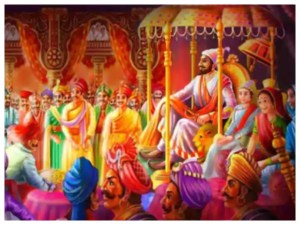
छत्रपती शिवाजी महाराजांनी स्वराज्याची राजधानी म्हणून किल्ले रायगडची निवड केली. रायगड किल्ला रायगड जिल्ह्यातील महाड तालुक्यात सह्याद्रीच्या पर्वतरांगेत आहे. 1671 मध्ये हिरोजी इंदुलकर यांनी रायगडाचे बांधकाम पूर्ण केले. 6 जून १६७४ रोजी शिवाजी महाराजांनी स्वतःला राज्याभिषेक करून घेतला. या निमित्ताने छत्रपती शिवाजी महाराजांची स्वप्नपूर्ती झाली. शिवराज्याभिषेकामुळे भारताच्या इतिहासात एका नव्या युगास सुरुवात झाली. त्यानंतरच्या काळात शिवाजी महाराजांचे वास्तव्य रायगडावरच होते.पर्यटनाच्या दृष्टीने रायगड किल्ल्याचे अनन्यसाधारण महत्त्व आहे. 6 जून 2023 रोजी शिवराज्याभिषेकाला साडेतीनशे वर्षे पूर्ण झाली. त्यानिमित्त रायगडावर मोठा उत्सव साजरा करण्यात आला.
रायगड किल्ल्यातील पर्यटकांचे आकर्षण केंद्र-किल्ले रायगड समुद्र सपाटीपासून 870 मीटर उंचीवर आहे. रायगडावर 350 इमारती,84 टाक्या आणि अकरा तलाव होते. गडावर नगारखाना, सदर,बाजारपेठ, छत्रपती शिवाजी महाराजांची समाधी, शिरकाई देवीचे मंदिर, जगदीश्वर मंदिर, धान्य कोठार, शस्त्रास्त्र व दारुगोळा ठेवण्यासाठी दारूकोठार, राजवाडा, राणीवसा, सचिवालय, अष्टप्रधान यांचे वाडे, गंगासागर तलाव, हत्ती तलाव, कुशावर्त तलाव, रत्नशाळा इत्यादी वास्तू बांधलेल्या होत्या. त्यापैकी काही वास्तु आजही चांगल्या स्थितीत आहेत.
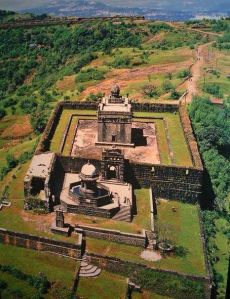
रायगडावर जाण्यासाठी प्रवेशद्वार– रायगडावर जाण्यासाठी महादरवाजा, नाणे दरवाजा, पालखी दरवाजा, मेणा दरवाजा मधून प्रवेश करता येतो. संकट समयी बाहेर पडण्यासाठी गुप्त दरवाजा केलेला होता. महादरवाज्याला दोन मोठे बुरुज आहेत. या बुरुजावर शत्रूवर मारा करण्यासाठी झरोके ठेवलेले आहेत. दरवाजाची रचना गोमुखा सारखी असल्यामुळे महादरवाजा डोंगराच्या पायथ्यापासून दिसत नाही. या दरवाज्यातूनच जाणारा रस्ता किल्ल्याचा मुख्य रस्ता आहे. महादरवाजाच्या दोन्ही बाजूस भक्कम तटबंदी बांधलेली आहे. किल्ला अभेद्य राहण्यासाठी ठीक ठिकाणी बुरुज बांधलेले आहेत.
किल्ले रायगड मधील वैशिष्ट्यपूर्ण वास्तु- राजवाडा बालेकिल्ल्यात प्रवेश केल्यानंतर एक उंच चौथरा लागतो हा चौथरा म्हणजेच राजवाड्याची इमारत असावी. याच्या एका बाजूस पाण्याचे दोन हौद आहेत. राजवाड्याच्या पूर्वेस रत्नशाळा किंवा खलबतखाना ही वास्तू लागते. ही वास्तू तळघरात बांधलेली आहे. रत्न शाळेच्या पूर्वेस एक प्रशस्त चौथरा असून त्यावर अनेक खांबाच्या खुणा आहेत. हा चौथरा म्हणजे सदर असावी .
सदर पासून पुढे गेल्यानंतर छत्रपती शिवाजी महाराजांचे सिंहासन 32 मण सोन्यापासून बनविलेले होते; तो चौथरा आहे. ही संपूर्ण वास्तू बालेकिल्ल्याच्या मध्यभागी बांधलेली आहे. या इमारतीच्या समोरील बाजूस आल्यावर नगारखाना दिसतो. नगारखाना सिंहासनाच्या पूर्वेस असून सिंहासनाजवळ बोललेले नगारखान्यात स्पष्ट ऐकू येते. नगारखाना 52 फूट उंच असून त्याच्यावर सनई चौघडे आणि नगारे वाजवण्याची व्यवस्था केलेली होती.
बाजारपेठ रायगडावरील ही एक प्रेक्षणीय वास्तू आहे. बाजारपेठेमध्ये दोन्ही बाजूस प्रत्येकी 22 दुकाने आहेत. यांची उंची घोड्यावर बसून वस्तू खरेदी करता येईलअशा पद्धतीने ठेवलेली आहे. शिरकाई मंदिर रायगडावरील ही मुख्य देवता आहे. या मंदिरात शिवकालीन महिषासुर मर्दिनीची अष्टभुजा मूर्ती आहे. नवरात्रात या देवीचा उत्सव होत असे. जगदीश्वर मंदिर या मंदिराची रचना गर्भगृह आणि सभा मंडप या पद्धतीची आहे. गर्भगृहात छत्रपती शिवाजी महाराजांनी स्थापन केलेले शिवलिंग आहे. मंदिराभोवती प्रशस्त लांबी रुंदीचा तट आहे. तटाच्या पूर्वेस व पश्चिमेस मंदिरात प्रवेश करण्यासाठी दोन दरवाजे आहेत.
छत्रपती शिवाजी महाराजांची समाधी रायगड – जगदीश्वर मंदिरासमोर काही अंतरावर छत्रपती शिवाजी महाराजांची समाधी आहे. अष्टकोनी चिरेबंदी चौथर्यावर ही समाधी बांधलेली आहे. 1926 मध्ये सर्वप्रथम शिवाजी महाराजांच्या समाधीचा प्रथम जीर्णोद्धार करण्यात आला होता. सध्या रायगड किल्ला भारतीय पुरातत्व सर्वेक्षण विभागाकडे असून रायगडाचे जतन व संवर्धनाचे काम मोठ्या प्रमाणात चालू आहे.रायगडाच्या पायथ्याशी पाचड येथे राजमाता जिजाऊ यांची समाधी आहे.
अंतर – मुंबई ते रायगड 156.7 ,पुणे ते रायगड 137.3कि.मी. जवळचे विमानतळ – पुणे आणि मुंबई विमानतळ
शिवनेरी किल्ला
शिवनेरी किल्ला महाराष्ट्राच्या पुणे जिल्ह्यातील जुन्नर शहरा जवळ वसलेला,ऐतिहासिक आणि सांस्कृतिक दृष्टिकोनातून अत्यंत महत्त्वाचा किल्ला आहे.या किल्ल्यावर छत्रपती शिवाजी महाराजांचा जन्म झाला होता.
ऐतिहासिक महत्त्व- 19 फेब्रुवारी 1630 रोजी शिवनेरी किल्ल्यावर छत्रपती शिवाजी महाराजांचा जन्म झाला.जिजाऊ मा साहेबांनी त्यांना बालपणीच रामायण, महाभारत आणि इतर ऐतिहासिक कथा सांगून राष्ट्रभक्ती, न्यायप्रियता आणि नेतृत्वगुणांची बीज रोवली.
स्थापत्य वैशिष्ट्ये-शिवनेरी किल्ला पारंपरिक डोंगरी किल्ल्याच्या स्थापत्यशैलीत बांधलेला आहे.किल्ल्यावर पोहोचण्यासाठी सात मजबूत दरवाजे आहेत.मार्गावरील तटबंदी आणि बुरुज हे शत्रूला अडवण्यासाठी कुशलतेने बांधलेले आहेत.
प्रमुख रचना पुढील प्रमाणे आहेत: शिवाई देवी मंदिर- शिवाजी महाराजांचे नाव याच देवीवरून ठेवण्यात आले होते.शिवकुंज- हे शिवाजी महाराजांच्या जन्मस्थळाचे स्मारक आहे.पाण्याची टाकी- किल्ल्यावर दगडात खोदलेल्या टाकीमध्ये पाणी वर्षभर पुरेल अशी व्यवस्था केलेली होती. अंबरखाना- अन्नधान्य साठवण्यासाठी वापरले जाणारे गोदाम.
सांस्कृतिक आणि पर्यटन महत्व- शिवनेरी किल्ल्यावर दरवर्षी हजारो पर्यटक, इतिहास प्रेमी आणि शिवभक्त येथे भेट देतात.19 फेब्रुवारीला शिवजयंती निमित्त येथे भव्य कार्यक्रम, मिरवणुका आणि सांस्कृतिक उपक्रम आयोजित केले जातात.ट्रेकिंगप्रेमी साठी शिवनेरी किल्ला एक पसंतीचे ठिकाण आहे.शिवनेरी किल्ला केवळ ऐतिहासिक स्मारक नाही तर तो महाराष्ट्राच्या गौरवशाली इतिहासाचे प्रत्येक आहे.
अंतर- मुंबई ते शिवनेरी 214, पुणे ते शिवनेरी 98 कि.मी. जवळचे विमानतळ – पुणे आणि मुंबई विमानतळ
प्रतापगड – छत्रपती शिवाजी महाराजांच्या शौर्याचा साक्षीदार दुर्ग
महाराष्ट्राच्या सह्याद्री पर्वत रांगेत महाबळेश्वर पासून सुमारे 24 किलोमीटर अंतरावर असलेला प्रतापगड किल्ला हा केवळ एक पर्यटन स्थळ नसून छत्रपती शिवाजी महाराजांच्या धैर्य, शौर्य, रणनीती आणि दूरदृष्टीची आठवण करून देणारी भव्य ऐतिहासिक वास्तू आहे.ऐतिहासिक दृष्ट्या अत्यंत महत्त्वाचा असलेला हा किल्ला आजही मराठ्यांच्या शौर्याची गाथा सांगतो.
प्रतापगडचे ऐतिहासिक महत्त्व– सन 1656 मध्ये छत्रपती शिवाजी महाराजांनी प्रतापगड किल्ल्याची उभारणी केली.आसपासच्या प्रदेशावर तसेच घाटावर नियंत्रण ठेवणे यामागचा उद्देश होता.प्रतापगडचा सर्वात मोठा ऐतिहासिक क्षण म्हणजे सन 1659 मध्ये झालेली अफजलखानाशी लढाई, ज्यात शिवाजी महाराजांनी मुत्सद्दीपणाने आणि पराक्रमाने अफजलखानाचा पराभव केला. कथेनुसार, अफजलखानाने भेटीच्या वेळी शिवाजी महाराजांवर कपटीपणाने हल्ला करण्याचा प्रयत्न केला. मात्र महाराजांनी अंगावर कवच घातले होते आणि वाघ नखं व भाल्याचा प्रहार करून अफजलखानाचा अंत केला. ही लढाई म्हणजे छत्रपती शिवाजी महाराजांचा गनिमी कावा याचे उत्तम उदाहरण आहे. ही लढाई मराठा साम्राज्याच्या स्थापनेचा एक निर्णायक क्षण ठरली.
प्रतापगड किल्ल्याची रचना– प्रतापगड दोन भागात विभागलेला आहे. वरचा बालेकिल्ला आणि खालचा भाग. बालेकिल्ल्याच्या भागात भवानी देवीचे मंदिर आहे. हे मंदिर आजही शिवभक्तांसाठी श्रद्धास्थान आहे. खालचा भाग संरक्षणासाठी वापरला जात असे. येथे संरक्षणासाठी मजबूत तटबंदी, बुरुज, चक्राकार वाटा आणि छुपे दरवाजे आहेत, जे त्या काळातील युद्ध तंत्राची साक्ष देतात. किल्ल्याच्या टोकावरून दिसणारे सह्याद्री पर्वतरांगेचे विहंगम दृश्य पर्यटकांना मोहून टाकते.
प्रतापगडावरील आकर्षण स्थळे- युनेस्को वारसा स्थळांच्या यादीमध्ये समावेश झाल्यामुळे प्रतापगड किल्ला एक महत्त्वाचे पर्यटन स्थळ बनला आहे. येथे येणारे पर्यटक, इतिहासप्रेमी,ट्रेकिंग करणारे आणि भाविक यांच्यासाठी विविध गोष्टी पाहण्यासारख्या आहेत. किल्ल्याच्या शिखरावर उभारलेला छत्रपती शिवाजी महाराजांचा भव्य पुतळा, भवानी मंदिर, सह्याद्रीचे विहंगम दृश्य पाहण्यासाठी अनेक पॉईंट तसेच किल्ल्याजवळ अफजलखानाची कबर आहे. राज्य शासन आणि महाराष्ट्र पर्यटन विभागाने किल्ल्यावर माहिती केंद्र, स्थानिक खाद्यपदार्थांचे स्टॉल आणि मार्गदर्शक सेवा पर्यटकांसाठी उपलब्ध करून दिल्या आहेत.
अंतर- मुंबई ते प्रतापगड 201.3 कि.मी.,पुणे ते प्रतापगड 147.4 कि.मी. जवळचे विमानतळ – पुणे आणि मुंबई विमानतळ
युनेस्कोची ही मान्यता लोहगडच्या ऐतिहासिक, सांस्कृतिक आणि पर्यावरणीय महत्त्वाची दखल घेणारी आहे. शिवकालीन परंपरा, सह्याद्रीचा निसर्ग आणि स्थानिक संस्कृती यांचे सुंदर मिश्रण असलेला हा किल्ला आता अधिक संवर्धनाच्या दिशेने वाटचाल करणार आहे.
लोहगड किल्ला – छत्रपती शिवाजी महाराजांचा वैभवशाली वारसा आता युनेस्को मान्यताप्राप्त
लोणावळ्याजवळ सह्याद्रीच्या पर्वतरांगांमध्ये वसलेला लोहगड किल्ला छत्रपती शिवाजी महाराजांच्या सामर्थ्यशाली आणि दूरदृष्टीपूर्ण राज्यकारभाराचे जिवंत प्रतीक आहे. अलीकडेच युनेस्कोने या किल्ल्याला जागतिक वारसा स्थळ म्हणून मान्यता दिली असून, तो भारताच्या समृद्ध सांस्कृतिक आणि ऐतिहासिक वारशाचे गौरवशाली प्रतीक ठरतो.
समुद्रसपाटीपासून सुमारे ३,४५० फूट उंचीवर असलेला लोहगड शिवाजी महाराजांच्या काळात व्यापार मार्गांचं संरक्षण करण्यासाठी अत्यंत महत्त्वाचा होता. त्याची भक्कम तटबंदी, मजबूत दरवाजे आणि गणेश, नारायण, हनुमान आणि महादरवाजा हे चार प्रमुख बुरुज मराठा स्थापत्यशास्त्राची ओळख देतात. इ.स. १६७० मध्ये शिवाजी महाराजांनी हा किल्ला मुघलांकडून जिंकून घेतला आणि सुरत मोहिमेतील खजिना येथे सुरक्षित ठेवला.
या किल्ल्याची एक खास वैशिष्ट्य म्हणजे “विंचूकाटा” — विंचवाच्या शेपटीसारखा लांब, अरुंद आणि टोकदार भाग, जो नैसर्गिक संरक्षणाची उत्तम उदाहरण आहे. परिसरातील भीमाशंकरचे जंगल, भुजा व कार्ला लेणी यामुळे हा परिसर पर्यटक आणि ट्रेकर्ससाठी आवडते ठिकाण ठरतो.
आज लोहगड हा केवळ ट्रेकिंगचा किल्ला नसून छत्रपती शिवाजी महाराजांच्या शौर्याची आठवण करून देणारा, महाराष्ट्राच्या अभिमानाचा जागर करणारा एक जागतिक ठेवा आहे.
अंतर- मुंबई ते लोहगड १०७.३ किमी, पुणे ते लोहगड ६०.१ किमी. जवळचे विमानतळ – पुणे आणि मुंबई विमानतळ.
पन्हाळगड: युनेस्कोने मान्यता दिलेला मराठ्यांचा ऐतिहासिक वारसा आणि पर्यटन केंद्र
पन्हाळगड, युनेस्कोने मान्यता दिलेला मराठ्यांचा ऐतिहासिक वारसा आणि पर्यटन केंद्र आहे.कोल्हापूरजवळ वसलेला एक भव्य किल्ला, अलीकडेच युनेस्कोच्या जागतिक वारसास्थळांमध्ये समाविष्ट झाला आहे. हा किल्ला मराठा साम्राज्याच्या युद्धनीती आणि वास्तुशिल्पीय उत्कृष्टतेचा भव्य पुरावा मानला जातो. सुमारे ८४५ मीटर उंचीवर वसलेला हा किल्ला सह्याद्री पर्वतरांगांवर लक्ष ठेवून कोकण आणि महाराष्ट्रातील अंतर्गत भाग यांना जोडणाऱ्या व्यापारी मार्गांचे रक्षण करायचा.
इतिहासाच्या दृष्टिकोनातून, पन्हाळगडाचे महत्त्व अतिशय मोठे आहे. १२व्या शतकात शिलाहार राजवंशाने याची बांधणी केली होती. नंतर विजापूरच्या आदिलशाही राजवटीखाली याचे महत्त्व वाढले. परंतु, या किल्ल्याची खरी ओळख छत्रपती शिवाजी महाराजांशी जोडली जाते. सन १६७३ साली शिवाजी महाराजांनी पन्हाळगड जिंकला.या दरम्यान बाजीप्रभू देशपांडे यांनी पावनखिंड येथे दिलेले बलिदान पराक्रमाची शौर्यगाथा म्हणून आजही जपला जातो.
या किल्ल्यात अंधार बावडी, अन्नधान्य साठवण्यासाठी अंबरखाना (गंगा, यमुना, सरस्वती कोठ्या), तीन दरवाजा, कलावंतीचा महाल यांसारखी अनेक ऐतिहासिक व स्थापत्यदृष्ट्या महत्त्वाची स्थळे आहेत. यावरून त्या काळातील रणनीती आणि सुरक्षाव्यवस्थेची कल्पना येते.
आज पन्हाळगड एक महत्त्वाचे पर्यटन स्थळ बनले आहे. थंड हवामान, निसर्गसौंदर्य आणि इतिहासाच्या आठवणींमुळे हजारो पर्यटक येथे भेट देतात. युनेस्कोच्या मान्यतेमुळे जागतिक पातळीवर किल्ल्याचे महत्त्व वाढले आहे. राज्य शासनाने देखील जतन, पुनरुत्थान आणि पर्यटनाच्या दृष्टीने विविध उपक्रम राबवण्यास सुरुवात केली आहे.
पन्हाळगड केवळ एक ऐतिहासिक स्मारक नसून, तो मराठ्यांच्या शौर्य, संस्कृती आणि आत्मसन्मानाचा जिवंत वारसा आहे, जो पुढील पिढ्यांना प्रेरणा देत राहील.
अंतर- मुंबई ते पन्हाळगड ३७८.६ किमी, पुणे ते पन्हाळगड २३३.३ किमी- जवळचे विमानतळ – पुणे आणि मुंबई विमानतळ.
साल्हेर किल्ला : मराठा शौर्याचे प्रतीक, आता युनेस्कोचा गौरव प्राप्त
नाशिकच्या बागलाण परिसरात उंच डोंगरावर वसलेला साल्हेर किल्ला हा छत्रपती शिवाजी महाराजांच्या शौर्यपूर्ण इतिहासातील एक महत्त्वपूर्ण किल्ला आहे. १५६७ मीटर उंचीवर असलेला हा किल्ला महाराष्ट्रातील सर्वात उंच तर आहेच, पण संपूर्ण सह्याद्री पर्वतरांगेतील देखील एक उंच किल्ला मानला जातो. २०२५ मध्ये युनेस्कोने ‘भारतातील मराठा सैनिकी परिदृश्य’ या वारसास्थळ यादीत साल्हेरचा समावेश करून या किल्ल्याच्या ऐतिहासिक व स्थापत्य महत्त्वाला आंतरराष्ट्रीय मान्यता दिली आहे.
१६७२ मध्ये साल्हेरच्या युद्धात, मराठ्यांनी मुघल सैन्याचा पराभव करून स्वराज्य लढ्यातील एक निर्णायक विजय मिळवला. मोरोपंत पिंगळे आणि प्रतापराव गुजर यांसारख्या थोर सेनानींनी हे युद्ध जिंकत मराठा सैनिकी डावपेचांची ताकद जगासमोर मांडली. हे युद्ध फक्त विजयाचे नव्हते, तर स्वराज्याच्या आत्म्याचे प्रतीक होते.
साल्हेर किल्ल्याचे बांधकाम मजबूत दगडी भिंती, पाण्याची टाकी, गुहा, मंदिरं आणि मनमोहक दृष्यांनी समृद्ध आहे. कठीण डोंगरी भूभाग आणि नैसर्गिक संरक्षणामुळे तो शिवाजी महाराजांच्या संरक्षण योजनेत एक प्रमुख बळकटीचा भाग ठरला.साल्हेर हा केवळ किल्ला नाही – तो शिवाजी महाराजांच्या स्वराज्य संकल्पनेचा आणि मराठ्यांच्या पराक्रमाचा अमर साक्षीदार आहे.
अंतर- मुंबई ते साल्हेर २८० किमी, पुणे ते साल्हेर ३३० किमी- जवळचे विमानतळ – पुणे आणि मुंबई विमानतळ.
सिंधुदुर्ग किल्ला : युनेस्कोच्या सन्मानास पात्र ठरलेला समुद्री अभेद्य दुर्ग
कोकण किनारपट्टीवर, मालवणजवळील अरबी समुद्राच्या कुशीत वसलेला सिंधुदुर्ग किल्ला हे छत्रपती शिवाजी महाराजांच्या नौदल धोरणाचे आणि लष्करी कुशलतेचे जिवंत प्रतीक आहे. १६६४ ते १६६७ या काळात बांधलेला हा किल्ला, मराठा साम्राज्याच्या सागरी संरक्षणाचा मजबूत आधारस्तंभ ठरला.
अलीकडेच, सिंधुदुर्ग किल्ल्याला “Maratha Military Landscapes of India” या नावाने युनेस्को जागतिक वारसा स्थळ म्हणून गौरवण्यात आले आहे. या यादीत समाविष्ट झालेल्या १२ किल्ल्यांपैकी एक असलेल्या सिंधुदुर्गचा हा सन्मान जागतिक स्तरावर त्याचे ऐतिहासिक महत्त्व अधोरेखित करतो.
छत्रपती शिवाजी महाराजांच्या मार्गदर्शनाखाली हिरोजी इंदुलकर यांनी या किल्ल्याची रचना केली. ४८ एकर क्षेत्रफळावर पसरलेल्या या दुर्गाभोवती सुमारे ३ किलोमीटरचा मजबूत तटबंदी असलेला भिंतीचा परिसर आहे. या किल्ल्याचे विशेष आकर्षण म्हणजे त्याचा गुप्त प्रवेशद्वार, जो शत्रूंना दिशाभूल करतो.
या किल्ल्यामध्ये शिवाजी महाराजांचे एकमेव मंदिर आहे, तसेच विविध मंदिरं, गोड पाण्याच्या विहिरी आणि शस्त्रसाठा कोठारं आढळतात. सिंधुदुर्ग केवळ संरक्षणासाठी नव्हता, तर मराठा साम्राज्याच्या सागरी सार्वभौमत्वाचे प्रतीक होता. व्यापारी मार्गांवर नियंत्रण आणि नौदलाची ताकद यासाठी त्याचे स्थान अत्यंत महत्त्वाचे होते.
युनेस्कोच्या मान्यतेनंतर आता या किल्ल्याचे जतन व संवर्धनासाठी प्रयत्न सुरू झाले आहेत. पर्यटक बोटींमार्फत किल्ला पाहू शकतात, मालवण मरीन सॅंक्च्युरीत सागरी जीवसृष्टी अनुभवू शकतात आणि स्थानिक कोकणी खाद्यसंस्कृतीचा आस्वाद घेऊ शकतात.
सिंधुदुर्ग किल्ला हा केवळ ऐतिहासिक वास्तू नसून, शिवाजी महाराजांच्या सागरी दूरदृष्टीचा जाज्वल्य साक्षीदार आहे—जो आता जागतिक वारसा म्हणून जपला जाणार आहे.
अंतर- मुंबई ते सिंधुदुर्ग 441किमी, पुणे ते सिंधुदुर्ग 365.7किमी- जवळचे विमानतळ – पुणे आणि मुंबई विमानतळ.
विजयदुर्ग किल्ला: मराठा नौदल सामर्थ्याचा अभिमान
कोकण किनाऱ्यावर अत्यंत भव्यतेने उभा असलेला विजयदुर्ग किल्ला हा छत्रपती शिवाजी महाराजांनी बांधलेला एक प्रभावी सागरी किल्ला आहे. सिंधुदुर्ग जिल्ह्यात वसलेला हा किल्ला कधी काळी अरबी समुद्रावर नियंत्रण ठेवणारे महत्त्वाचे नौसैनिक ठाणे होते. अलीकडेच युनेस्कोच्या जागतिक वारसा स्थळांमध्ये विजयदुर्ग किल्ल्याचा समावेश झाला आहे, ज्यामुळे त्याचे ऐतिहासिक महत्त्व आंतरराष्ट्रीय स्तरावर अधोरेखित झाले आहे.
सुरुवातीला १२व्या शतकात शिलाहार राजांनी बांधलेला हा किल्ला, १७व्या शतकात शिवाजी महाराजांनी भक्कमपणे पुनर्बांधला. “विजयदुर्ग” हे नावच त्याच्या अभेद्य आणि यशस्वी इतिहासाची साक्ष देते. महाराजांनी या किल्ल्याला भक्कम तटबंदी, मजबूत बुरुज, आणि तीन स्तरांतील संरक्षण देऊन अभेद्य केले. विशेषतः समुद्रात बांधलेली अदृश्य भिंत ही दुश्मन जहाजांना दूर ठेवण्यासाठी तयार करण्यात आली होती—ही मराठ्यांच्या नौसैनिक कलेचे उत्तम उदाहरण आहे.
हा किल्ला कान्होजी आंग्रे यांच्या अधिपत्याखाली मराठा आरमारी दलाचे मुख्यालय बनला होता. त्याच्या साहसाने परकीय नौदलांना पराभूत केले आणि विजयदुर्ग मराठा साम्राज्याच्या सागरी सामर्थ्याचे प्रतीक बनले.
पर्यटकांसाठी विजयदुर्ग हे ऐतिहासिक वास्तू, गुप्त बोगदे, बुरुज आणि समुद्राच्या रम्य दृश्यांनी भरलेले ठिकाण आहे. किल्ल्याजवळचे रामेश्वर मंदिर आणि ऐतिहासिक धक्काही पर्यटकांना आकर्षित करतो.युनेस्कोच्या मान्यतेमुळे या किल्ल्याचे महत्त्व अधिकच वाढले असून इतिहासप्रेमी आणि पर्यटकांमध्ये याबद्दल उत्सुकता निर्माण झाली आहे.
अंतर – मुंबई ते विजयदुर्ग किल्ला ४१३ किमी, पुणे ते विजयदुर्ग किल्ला ३५३.४ किमी – जवळचे विमानतळ – पुणे आणि मुंबई विमानतळ.
सुवर्णदुर्ग किल्ला : छत्रपती शिवाजी महाराजांचा सागरी अभेद्य किल्ला
सुवर्णदुर्ग किल्ला, म्हणजेच “सोन्याचा किल्ला”, हा महाराष्ट्राच्या कोकण किनारपट्टीवर वसलेला एक भव्य सागरी किल्ला आहे. रत्नागिरी जिल्ह्यातील हर्णै बंदराजवळ सागरात वसलेला हा किल्ला, १७व्या शतकात छत्रपती शिवाजी महाराजांनी बांधला होता. त्यांच्या नौदलाच्या संरक्षणासाठी आणि सागरी धोके टाळण्यासाठी सुवर्णदुर्ग एक महत्त्वाचा किल्ला ठरला.
समुद्राच्या मध्यभागी असलेला हा किल्ला भरतीच्या वेळी सहज उपलब्ध होत नाही, त्यामुळे तो नैसर्गिकदृष्ट्या संरक्षित होता. शिवाजी महाराजांनी याचे मजबुतीकरण करून पोर्तुगीज, सिद्दी आणि इंग्रजांच्या आक्रमणांना यशस्वीरित्या तोंड दिले. नंतर हा किल्ला मराठा नौदलाचे सेनापती कान्होजी आंग्रे यांच्या ताब्यात आला आणि त्यांनी येथे नौदलाचे मुख्यालय स्थापन केले. सुवर्णदुर्ग केवळ एक लष्करी केंद्र नव्हते, तर मराठा साम्राज्याच्या सागरी सामर्थ्याचे प्रतीक होते.
२०२५ मध्ये युनेस्कोने “भारतातील मराठा सैनिकी लँडस्केप्स” अंतर्गत सुवर्णदुर्ग किल्ल्याची जागतिक वारसा यादीत नोंद घेतली. या मान्यतेमुळे या परिसरातील पर्यटनाला नवीन चालना मिळाली आहे.
पर्यटकांना हर्णै बंदरावरून बोटीतून किल्ल्यावर जाता येते. तेथे प्राचीन तटबंदी, समुद्राच्या लाटा झेलणारे बुरुज, आणि त्या काळच्या तोफांचे आवाज मनात जागवणारी अनुभूती मिळते. जवळची कोकणी गावे, स्थानिक खाद्यसंस्कृती आणि निसर्गरम्य किनारी दृश्ये हा अनुभव अजून खास बनवतात.
सुवर्णदुर्ग हा केवळ एक ऐतिहासिक स्मारक नाही, तर भारताच्या सागरी गौरवशाली परंपरेचे आणि छत्रपती शिवाजी महाराजांच्या दूरदृष्टीचे प्रतीक आहे. इतिहासप्रेमी आणि वारसा पर्यटन करणाऱ्यांसाठी हा एक अविस्मरणीय अनुभव ठरतो.
अंतर – मुंबई ते सुवर्णदुर्ग किल्ला २१४. ९ किमी, पुणे ते सुवर्णदुर्ग किल्ला २०२. ९ किमी – जवळचे विमानतळ – पुणे आणि मुंबई विमानतळ.
खांदेरी किल्ला : छत्रपती शिवाजी महाराजांचा सागरी वारसा
खांदेरी किल्ला, ज्याला आज कान्होजी आंग्रे बेट म्हणून ओळखले जाते, हा महाराष्ट्राच्या अलीबाग जवळील अरबी समुद्रात वसलेला एक सागरी किल्ला आहे. १६७९ साली छत्रपती शिवाजी महाराजांनी हा किल्ला बांधला होता. त्यांचा उद्देश होता मराठा आरमारी दलाला बलशाली बनवून परकीय आक्रमणांना प्रतिकार करणे. सन २०२५ मध्ये या किल्ल्याला युनेस्कोने “Maratha Military Landscapes of India” म्हणून जागतिक वारसा दर्जा दिला आहे.
खांदेरी किल्ला व त्याचा जुळा किल्ला उंदेरी (जो सिद्दींच्या ताब्यात होता) यांनी मिळून समुद्रमार्गाचे नियंत्रण ठेवले होते. पुढे हा किल्ला मराठा आरमाराचे कान्होजी आंग्रे यांच्या अधिपत्याखाली आला. त्यांनी या किल्ल्याचा उपयोग इंग्रज, पोर्तुगीज आणि डच सागरी शक्तींविरुद्ध लढण्यासाठी केला.
खांदेरी किल्ल्याचे बांधकाम अत्यंत बुद्धिमत्तेने केले आहे. यामध्ये मजबूत तटबंदी, बुरुज, पाण्याची टाकी, शिवमंदिर आणि ब्रिटिशांनी उभारलेला दीपगृह (लाइटहाऊस) यांचा समावेश आहे. आजूबाजूच्या खडकाळ समुद्रकिनाऱ्यामुळे हा किल्ला सहजपणे गाठता येत नाही.
आज खांदेरी किल्ला पर्यटकांसाठी एक अद्भुत आकर्षण आहे. अलीबाग किंवा थळ गावाहून बोटीने बेटावर पोहोचता येते. तिथून थोडा चढ चढल्यावर किल्ल्यावरील ऐतिहासिक वास्तू आणि निसर्ग सौंदर्य पाहता येते. अरबी समुद्राचे विहंगम दृश्य आणि जुने तोफखाने यामुळे हा किल्ला अधिकच रोमांचक वाटतो.
युनेस्कोच्या मान्यतेनंतर खांदेरी किल्ल्याचे महत्त्व आणखी वाढले आहे. मराठ्यांच्या आरमारी सामर्थ्याचा हा भक्कम पुरावा आजही अभिमानाने उभा आहे आणि छत्रपती शिवाजी महाराजांच्या दूरदृष्टीची साक्ष देतो.
अंतर – मुंबई ते खांदेरी किल्ला २० किमी, पुणे ते खांदेरी किल्ला १०० किमी – जवळचे विमानतळ – पुणे आणि मुंबई विमानतळ.
जिंजी किल्ला – छत्रपती शिवाजी महाराजांचा दक्षिणेकडील अभेद्य किल्ला
जिंजी किल्ला (किंवा जिंजी दुर्ग, तमिळमध्ये गिंगी फोर्ट म्हणून ओळखला जातो) हा छत्रपती शिवाजी महाराजांच्या दूरदृष्टीचा आणि मराठा साम्राज्याच्या व्यापक विस्ताराचा भव्य पुरावा आहे. तामिळनाडू राज्यात स्थित असलेला हा किल्ला महाराष्ट्रापासून दूर असूनही मराठ्यांच्या लष्करी सामर्थ्याचे प्रतीक आहे. अलीकडेच याला युनेस्कोच्या “मराठा मिलिटरी लँडस्केप ऑफ इंडिया” या यादीत मान्यता मिळाल्यामुळे या किल्ल्याचे ऐतिहासिक आणि सांस्कृतिक महत्त्व अधिकच वृद्धिंगत झाले आहे.
ऐतिहासिक महत्त्व
जरी जिंजी किल्ला शिवाजी महाराजांच्या आधीच अस्तित्वात होता, तरीही १६७७ साली महाराजांनी दक्षिण दिग्विजय मोहिमेदरम्यान याचे महत्त्व ओळखून ते जिंकले आणि त्याचे रूपांतर दक्षिणेतील एक भक्कम मराठा तळात केले. हा किल्ला पूर्वी चोल वंश, विजयनगर सम्राट व नायकांच्या अधिपत्याखाली होता. मात्र, शिवाजी महाराजांनी त्याचे महत्त्व ओळखून याला “पूर्वेकडील ट्रॉय” असे संबोधले. औरंगजेबाच्या आक्रमणाच्या काळात राजाराम महाराजांनी येथे मुक्काम करून लढा दिला, ज्यामुळे हा किल्ला मराठ्यांच्या प्रतिकाराचे प्रतीक ठरला.
रचनेचे वैशिष्ट्य
जिंजी किल्ला तीन डोंगरांवर – राजगिरी, कृष्णगिरी आणि चंद्रायणदुर्ग – पसरलेला आहे आणि सुमारे ७ चौ.किमी क्षेत्र व्यापतो. मजबूत तटबंदी, खोल खंदक, विशाल दरवाजे आणि अनेक गुप्त बोगदे यामुळे हा किल्ला अत्यंत सुरक्षित बनवलेला आहे. राजगिरीवरील गडावरून दिसणारा परिसर आणि उंच टेकडीवरील किल्ल्याची रचना प्राचीन लष्करी स्थापत्यशास्त्राचा अप्रतिम नमुना आहे.
प्रमुख वास्तू:
कल्याण महाल – टोकदार घुमटासारख्या रचनेचा सुंदर राजप्रासाद
धान्यगाळे, पाण्याची टाकी आणि शिबिरे
वेंकटरमणा मंदिर – सौंदर्यपूर्ण द्रविड शैलीतील मंदिर
पर्यटन आकर्षण
आज जिंजी किल्ला इतिहासप्रेमी, गिर्यारोहक आणि वास्तुशास्त्र अभ्यासकांसाठी एक आदर्श ठिकाण ठरला आहे. येथे पर्यटकांसाठी:
राजगिरी गडावर चढाई – साहस आणि इतिहास यांचे अद्वितीय मिश्रण
सूर्योदय व सूर्यास्ताचे दृश्य टिपण्यासाठी उत्तम पॉईंट्स
मंदिरे व प्राचीन राजवाडे – मराठा आणि द्रविड संस्कृतीचे सुंदर मिश्रण
युनेस्को मान्यतेनंतर उभारलेले माहिती केंद्र आणि मार्गदर्शक सहली
युनेस्को मान्यता आणि संवर्धन
२०२५ मध्ये युनेस्कोने जिंजी किल्ल्याचा समावेश “मराठा मिलिटरी लँडस्केप ऑफ इंडिया” मध्ये केल्याने त्याच्या ऐतिहासिक मूल्याला जागतिक स्तरावर मान्यता मिळाली. या मान्यतेनंतर संवर्धन, अभ्यास आणि शाश्वत पर्यटनाला चालना मिळाली आहे. शिवाजी महाराजांची दूरदृष्टी, धोरणात्मक बुद्धिमत्ता आणि राष्ट्रीय एकात्मता हे या ठिकाणी प्रकर्षाने जाणवते.इतिहास, वास्तुकला आणि साहस यांची सांगड घालणाऱ्या या किल्ल्याला भेट देणे म्हणजे एक प्रेरणादायक आणि समृद्ध अनुभव आहे.
अंतर – चेन्नई ते जिंजी किल्ला १५७.१ किमी, बंगळुरू ते जिंजी किल्ला २४५.५ किमी – जवळचे विमानतळ – चेन्नई आणि बंगळुरू विमानतळ
सारांश
छत्रपती शिवाजी महाराजांच्या पराक्रमी इतिहासाला जागतिक मान्यता लाभली असून, युनेस्कोने त्यांच्या १२ गडांचा जागतिक वारसास्थळांमध्ये समावेश केला आहे. या गडांपैकी राजगड, रायगड, शिवनेरी, प्रतापगड, लोहगड, पन्हाळगड, साल्हेर, सिंधुदुर्ग, विजयदुर्ग, सुवर्णदुर्ग, खांदेरी आणि जिंजी हे पर्यटनाच्या दृष्टीने अत्यंत महत्त्वाचे आहेत — इतिहासप्रेमी आणि साहसप्रेमींना भुरळ घालणारे.
हे सर्व किल्ले मराठ्यांच्या शौर्य, बुद्धिमत्ता आणि स्वाभिमानाचे प्रतीक आहेत. इतिहासाची गोडी असो, ट्रेकिंगची आवड असो, किंवा महाराष्ट्राच्या वैभवशाली वारशाला अनुभवण्याची इच्छा — छत्रपती शिवाजी महाराजांचे हे १२ गड प्रत्येकाने आयुष्यात एकदा तरी पाहायलाच हवेत.
Forts of Chhatrapati Shivaji Maharaj
It is a matter of great pride for India and especially for the rich heritage of Maharashtra that UNESCO has included the twelve forts of Chhatrapati Shivaji Maharaj in the World Heritage List as the “Maratha Military Landscape of India”. This international recognition is not only a recognition of the architectural beauty of these forts, but also of Chhatrapati Shivaji Maharaj’s military vision, strategic planning and great work of establishing Swarajya.
What is meaning of the Maratha Military Landscape?The Maratha military landscape of India is a strategic chain of forts built by Chhatrapati Shivaji Maharaj and the Maratha Empire. Spread across the hilly regions of Maharashtra, the Sahyadri range and the coast, these forts – such as Raigad, Rajgad, Pratapgad – showcase exquisite hill architecture, defensive structures and guerrilla warfare. Built between the 17th and 19th centuries, these forts were not only military but also administrative centres. Natural defences were achieved by using the local terrain and materials. Twelve of these forts have recently been recognised by UNESCO and are living symbols of the military prowess of the Marathas.
These twelve forts extend from the hilly areas of Maharashtra to the sea coasts. These forts were not just fortresses for defense, but were strong examples of Swarajya governance, military planning, local architectural skills and administration. Each fort like Rajgad, Raigad, Pratapgad, Shivneri, Lohagad, Panhalgad, Salher, Sindhudurg, Vijaydurg, Suvarnadurg, Khanderi and Jinji has its own identity and tells the stories of Chhatrapati Shivaji Maharaj’s valor and self-respect. In this blog, we will review these forts from a historical, cultural, military and tourism perspective. This is a historic milestone that brings recognition to India’s regional history at the global level.
Rajgad Fort – the first capital of Swarajya
Rajgad fort is the center of attraction for adventure tourists. Chhatrapati Shivaji Maharaj chose Rajgad Fort as the first capital of Swarajya. The construction of Rajgad Fort was completed in 1662. The Rajgad has a strong double fortification with three machis (Sanjivani machi, Suvela machi and Padmavati machi) and three forts. There are five gates to enter the Rajgad. One of them is a secret door. The fort has Sadar, Ambarkhana, Darukothar, Palace and other major buildings as well as temples of gods and goddesses. The mausoleum of Maharani Saibai is at the Rajgad. In the course of time, many structures on the fort have become extinct and some of the structures remain in ruins. From Fort Rajgad to Raigad, the progress of Swarajya continued. Adventurous tourists must visit Rajgad.
Importance of Rajgad Fort in terms of Tourism– Chhatrapati Shivaji Maharaj lived at Rajgad for 25 years. So Rajgad has witnessed many important events. After Chhatrapati Shivaji Maharaj killed Afzal Khan at the base of Pratapgad, his head was sent to the Rajgad to be shown to Rajmata Jijau. Maharani Saibai passed away, Shivaji Maharaj returned to Rajgad in 1660, freeing himself from the siege of Siddhi Johar at Panhalgad. In 1661, the idol of Bhavani Mata Temple, which is present at Pratapgad, was first brought to Rajmata to show it to Rajmata Jijau. In 1664, valuables and treasures from the British Vakhari at Surat were brought to the Rajgad. Rajgad had to be given to the Mughals in 1665 in a treaty with Mirzaraj Jaisingh. Rajgad fort is also important in terms of tourism.
Chhatrapati Rajaram Maharaj was born in Rajgad in 1670. After the death of Chhatrapati Sambhaji Maharaj in 1689, Rajgad again went to the Mughals. In 1697, Chhatrapati Rajaram Maharaj started ruling Rajgad with the status of capital. Rajgad had to be given to the Mughals in a treaty signed in 1704. After the death of Aurangzeb, Chhatrapati Shahu Maharaj repaired the Rajgad. Until 1818, Rajgad was in Swarajya. Currently Rajgad fort is being developed for tourism by the Government of Maharashtra.
Distance – Mumbai to Rajgad 190 km, Pune to Rajgad 60 km. Nearest Airports – Pune and Mumbai Airports
Raigad Fort – The Capital of Chhatrapati Shivaji Maharaj’s Empire
Chhatrapati Shivaji Maharaj chose Raigad as the capital of Swarajya. Raigad Fort is located in the Sahyadri mountain range in Mahad taluka of Raigad district. In 1671, Heroji Indulkar completed the construction of Raigad. On June 6, 1674, Shivaji Maharaj crowned himself. On this occasion the dream of Chhatrapati Shivaji Maharaj was fulfilled. Shiva’s coronation marked the beginning of a new era in the history of India. In the subsequent period, Shivaji Maharaj lived at Raigad. In terms of tourism, Raigad fort has unique importance. On June 6, 2023, three and a half hundred years have passed since the coronation of Shiva. On that occasion, a big festival was celebrated at Raigad.
Tourist attraction in Raigad Fort-Raigad fort is at a height of 870 meters above sea level. Raigad had 350 buildings, 84 tanks and eleven lakes. On the fort there are Nagarkhana, Sadar, Bazarpeth, Chhatrapati Shivaji Maharaj’s Mausoleum, Shirkai Devi Temple, Jagdishwar Temple, Granary, Arms and Ammunition Storehouse, Palace, Ranivasa, Secretariat, Ashtapradhan’s Palace, Gangasagar Lake, Hatti Lake, Kushavarta Lake, Ratnashala etc. were built. Some of them are still in good condition.
Entrance to Raigad– Raigad can be accessed through Maha Darwaza, Nane Darwaza, Palkhi Darwaza, Mena Darwaza. A secret door was made to escape in times of crisis. The Mahadarvaja has two big bastions. Arrows are placed on this tower to hit the enemy. Mahadarwaja is not visible from the base of the hill as the structure of the door is like a gomukha. The road leading through this gate is the main road of the fort. A strong fortification is built on both sides of the Maha Darwaza. To make the fort impregnable, bastions are built at the right places.
Typical architecture of Raigad Fort-Rajwada After entering the fort, there is a tall square. This square should be the building of the palace. There are two water tanks on one side of it. To the east of the palace is the Ratnashala or Khalbatkhana building. This structure is built in the basement. To the east of the Ratna School is a spacious quadrangle with many pillar marks on it. This should be Sadar.After proceeding from Sadar, Chhatrapati Shivaji Maharaj’s throne was made of 32 manas of gold; He is the fourth. This entire structure is built in the center of the fort. When you come to the front side of this building, you can see the Nagarkhana. The nagarkhana is to the east of the throne and the speech near the throne can be clearly heard in the nagarkhana. The nagarkhana is 52 feet high and was equipped with clarinet choghde and nagaras.
Market Place at Raigad-The market has 22 shops on each side. Its height is placed in such a way that one can buy goods while sitting on a horse. Shirkai Temple is the main deity at Raigad. In this temple there is an octagonal idol of Mahishasura Mardini of Shiva period. This goddess used to be celebrated during Navratri. Jagdishwar Temple The structure of the temple consists of sanctum sanctorum and assembly mandap. The sanctum sanctorum has a Shivling established by Chhatrapati Shivaji Maharaj. There is a wide embankment around the temple. There are two gates to enter the temple on the east and west side of the bank.
Chhatrapati Shivaji Maharaj’s Samadhi– Some distance in front of the Jagadishwar temple is the Chhatrapati Shivaji Maharaj’s Samadhi. This mausoleum is built on an octagonal incision. The tomb of Shivaji Maharaj was first restored in 1926. At present, Raigad fort is under the possession of Archaeological Survey of India(ASI) and the preservation and conservation work of Raigad is going on in a big way. Rajmata Jijau’s mausoleum is at Pachad at the foot of Raigad.
Distance – Mumbai to Raigad 156.7, Pune to Raigad 137.3 km. Nearest Airports – Pune and Mumbai Airports
Shivneri Fort- Memorial to the birthplace of Chhatrapati Shivaji Maharaj
Shivneri Fort is a fort of great historical and cultural importance, located near the city of Junnar in the Pune district of Maharashtra. Chhatrapati Shivaji Maharaj was born in this fort.
Historical Importance- Chhatrapati Shivaji Maharaj was born on 19 February 1630 at Shivneri Fort. Jijau Ma Saheb sowed the seeds of patriotism, love of justice and leadership qualities in him by telling him the Ramayana, Mahabharata and other historical stories in his childhood.
The main structures are as follows : Shivai Devi Temple – Shivaji Maharaj was named after this goddess.Shivkunj- This is a memorial to the birthplace of Shivaji Maharaj.Water tank – The tank carved into the rock at the fort was designed to provide enough water throughout the year.Granary – A warehouse used for storing food grains.
Cultural and Tourism Importance- Thousands of tourists, history lovers and Chhatrapati Shivaji devotees visit Shivneri Fort every year. Grand programs, processions and cultural activities are organized here on the occasion of Shiv Jayanti on February 19. Shivneri Fort is a favorite place for trekking enthusiasts. Shivneri Fort is not just a historical monument but it is a part of the glorious history of Maharashtra.
Distance- Mumbai to Shivneri 214 km, Pune to Shivneri 98 km. Nearest Airports – Pune and Mumbai Airports
Pratapgad – A fort that bears witness to the valor of Chhatrapati Shivaji Maharaj
Pratapgad Fort, located about 24 kilometers from Mahabaleshwar in the Sahyadri mountain range of Maharashtra, is not just a tourist destination but a magnificent historical monument that reminds us of the courage, bravery, strategy and foresight of Chhatrapati Shivaji Maharaj. This historically important fort still tells the story of the bravery of the Marathas.
Historical importance of Pratapgad- In 1656, Chhatrapati Shivaji Maharaj built the Pratapgad Fort. The purpose was to control the surrounding region as well as the ghats. The biggest historical moment of Pratapgad was the battle with Afzal Khan in 1659, in which Shivaji Maharaj defeated Afzal Khan with diplomacy and valor. According to the story, Afzal Khan tried to attack Shivaji Maharaj with treachery during the meeting. However, the Maharaj was wearing armor and ended Afzal Khan with a tiger claw and spear. This battle is a good example of Chhatrapati Shivaji Maharaj’s guerrilla warfare. This battle became a decisive moment in the establishment of the Maratha Empire.
Structure of Pratapgad Fort- Pratapgad is divided into two parts. The upper fort and the lower part. There is a temple of Bhavani Devi in the fort area. This temple is still a place of worship for Shiva devotees. The lower part was used for defense. There are strong fortifications, bastions, circular paths and hidden gates for defense, which testify to the warfare techniques of that time. The panoramic view of the Sahyadri mountain range seen from the top of the fort fascinates the tourists.
Attractions at Pratapgad – Pratapgad Fort has become an important tourist destination due to its inclusion in the UNESCO World Heritage List. There are various things to see for tourists, history buffs, trekkers and devotees who come here. The grand statue of Chhatrapati Shivaji Maharaj erected on the top of the fort, the Bhavani Temple, many points to see the panoramic view of the Sahyadris, and the tomb of Afzal Khan near the fort. The state government and the Maharashtra Tourism Department have provided an information center, local food stalls and guide services at the fort for tourists.
Distance- Mumbai to Pratapgad 201.3, Pune to Pratapgad 147.4 km. Nearest Airports – Pune and Mumbai Airports.
Lohagad Fort – The glorious legacy of Chhatrapati Shivaji Maharaj now recognized by UNESCO
Nestled in the Sahyadri mountain range near Lonavala, Lohagad Fort is a living symbol of the powerful and visionary rule of Chhatrapati Shivaji Maharaj. Recently declared a World Heritage Site by UNESCO, it is a glorious symbol of India’s rich cultural and historical heritage.
Situated at an altitude of about 3,450 feet above sea level, Lohagad was of great importance in protecting trade routes during Shivaji Maharaj’s time. Its strong fortifications, strong gates and four major bastions of Ganesh, Narayan, Hanuman and Mahadarwaja are hallmarks of Maratha architecture. Shivaji Maharaj captured the fort from the Mughals in 1670 AD and kept the treasures of the Surat campaign here safe.
A special feature of this fort is the “Vinchukata” — a long, narrow and pointed part resembling the tail of a scorpion, which is a perfect example of natural defence. The Bhimashankar forest, Bhuja and Karla caves in the area make this area a favorite destination for tourists and trekkers.
This UNESCO recognition recognizes the historical, cultural and ecological importance of Lohagad. This fort, which is a beautiful blend of Shivaji-era traditions, Sahyadri nature and local culture, is now moving towards further conservation.
Today, Lohagad is not just a trekking fort but a world heritage site that reminds us of the bravery of Chhatrapati Shivaji Maharaj and awakens the pride of Maharashtra.
Distance- Mumbai to Lohgad107.3 km, Pune to Lohgad 60.1km. Nearest Airports – Pune and Mumbai Airports.
Panhalgad Fort: UNESCO recognized Maratha historical heritage and tourist center
Panhalgad,is a UNESCO-recognized Maratha Heritage and Tourism Center.A magnificent fort located near Kolhapur, has recently been included in the UNESCO World Heritage Sites. The fort is considered a magnificent testament to the military strategy and architectural excellence of the Maratha Empire. Situated at an altitude of about 845 meters, this fort used to guard the trade routes connecting Konkan and the interior of Maharashtra, overlooking the Sahyadri Mountains.
From a historical point of view, Panhalgad is of immense importance. It was built by the Shilahar dynasty in the 12th century. Later, its importance increased under the Adilshahi rule of Bijapur. However, the real identity of this fort is associated with Chhatrapati Shivaji Maharaj. Shivaji Maharaj conquered Panhalgad in the year 1673. During this, the sacrifice made by Bajiprabhu Deshpande at Pavankhind is still remembered as a heroic story of valor.
This fort has many historical and architecturally important places like Andhar Bawdi, Amberkhana (Ganga, Yamuna, Saraswati Kothya) for storing food grains, Teen Darwaza, Kalavanticha Mahal. This gives an idea of the strategy and security system of that time.
Today, Panhalgad has become an important tourist destination. Thousands of tourists visit here due to the cool weather, natural beauty and memories of history. The importance of the fort has increased at the global level due to the recognition of UNESCO. The state government has also started implementing various initiatives in terms of preservation, revival and tourism.
Panhalgad is not just a historical monument, it is a living legacy of the bravery, culture and self-respect of the Marathas, which will continue to inspire future generations.
Distance- Mumbai to Panhalgad 378.6 km, Pune to Panhalgad 233.3 km- Nearest Airports – Pune and Mumbai Airports.
Salher Fort: A symbol of Maratha valor, now a UNESCO World Heritage Site
Situated on a high hill in the Baglan area of Nashik, Salher Fort is an important fort in the heroic history of Chhatrapati Shivaji Maharaj. At an altitude of 1567 meters, this fort is not only the highest in Maharashtra, but also considered one of the highest forts in the entire Sahyadri mountain range. In 2025, UNESCO included Salher in the list of heritage sites of ‘Maratha Military Landscape in India’, giving international recognition to the historical and architectural importance of this fort.
In 1672, in the Battle of Salher, the Marathas defeated the Mughal army and won a decisive victory in the struggle for independence. Great fighters like Moropant Pingle and Prataprao Gujar won this battle, showcasing the power of Maratha military tactics to the world. This battle was not just a victory, but a symbol of the spirit of Swarajya.
The construction of Salher Fort is rich in strong stone walls, water tanks, caves, temples and captivating views. Due to its difficult mountainous terrain and natural defenses, it became a major fortification in Shivaji Maharaj’s defense plan. Salher is not just a fort – it is an immortal witness to Shivaji Maharaj’s concept of Swarajya and the prowess of the Marathas.
Distance – Mumbai to Salher 280 km, Pune to Salher 330 km – Nearest airports – Pune and Mumbai airports.
Sindhudurg Fort: A sea-impermeable fortress worthy of UNESCO recognition
Located on the Konkan coast, on the Arabian Sea near Malvan, Sindhudurg Fort is a living symbol of Chhatrapati Shivaji Maharaj’s naval strategy and military prowess. Built between 1664 and 1667, this fort became a strong pillar of the Maratha Empire’s maritime defense.
Recently, Sindhudurg Fort has been honored as a UNESCO World Heritage Site under the name “Maratha Military Landscapes of India”. This honor for Sindhudurg, one of the 12 forts included in this list, underlines its historical importance at the global level.
Under the guidance of Chhatrapati Shivaji Maharaj, Hiroji Indulkar designed this fort. Spread over an area of 48 acres, this fort is surrounded by a strong fortified wall area of about 3 kilometers. The special attraction of this fort is its secret entrance, which misleads the enemies.
This fort houses the only temple of Shivaji Maharaj, as well as various temples, freshwater wells and armouries. Sindhudurg was not only for defense, but was also a symbol of the maritime sovereignty of the Maratha Empire. Its location was very important for control over trade routes and naval strength.
After the recognition of UNESCO, efforts have now begun to preserve and promote this fort. Tourists can visit the fort via boats, experience marine life at the Malvan Marine Sanctuary and taste the local Konkani food culture.
Sindhudurg Fort is not just a historical monument, but a vivid witness to Shivaji Maharaj’s maritime vision—which is now being preserved as a world heritage site.
Distance – Mumbai to Sindhudurg Fort 441km, Pune to Sindhudurg 365. 7 km – Nearest airports – Pune and Mumbai airports.
Vijaydurg Fort: Pride of Maratha Naval Power
Vijaydurg Fort, standing majestically on the Konkan coast, is an impressive sea fort built by Chhatrapati Shivaji Maharaj. Located in Sindhudurg district, this fort was once an important naval base controlling the Arabian Sea. Recently, Vijaydurg Fort has been included in the UNESCO World Heritage Sites, which has highlighted its historical importance at the international level.
Initially built by the Shilahar kings in the 12th century, this fort was strongly rebuilt by Shivaji Maharaj in the 17th century. The name “Vijaydurg” itself testifies to its impregnable and successful history. The Maharaj made this fort impregnable by providing strong fortifications, strong bastions, and three-layered defenses. In particular, the invisible wall built into the sea was designed to keep enemy ships away—this is a fine example of the naval art of the Marathas.
This fort became the headquarters of the Maratha Navy under the rule of Kanhoji Angre. His bravery defeated foreign navies and Vijaydurg became a symbol of the maritime power of the Maratha Empire.
For tourists, Vijaydurg is a place full of historical monuments, secret tunnels, bastions and beautiful views of the sea. The Rameshwar Temple and historical ruins near the fort also attract tourists. The importance of this fort has increased further with the recognition of UNESCO and has aroused curiosity among history lovers and tourists.
Distance – Mumbai to Vijaydurg Fort 413km, Pune to Vijaydurg fort 353.4km – Nearest airports – Pune and Mumbai airports.
Suvarnadurg Fort: Chhatrapati Shivaji Maharaj’s sea-impregnable fort
Suvarnadurg Fort, meaning “Fort of Gold”, is a magnificent sea fort located on the Konkan coast of Maharashtra. Located in the sea near Harnai port in Ratnagiri district, this fort was built by Chhatrapati Shivaji Maharaj in the 17th century. Suvarnadurg became an important fort to protect his navy and to ward off maritime threats.
This fort, located in the middle of the sea, is not easily accessible during high tide, so it was naturally protected. Shivaji Maharaj fortified it and successfully faced the attacks of the Portuguese, Siddi and the British. Later, the fort came under the control of the Maratha naval commander Kanhoji Angre, who established the naval headquarters here. Suvarnadurg was not only a military center, but also a symbol of the maritime power of the Maratha Empire.
In 2025, UNESCO inscribed Suvarnadurg Fort on the World Heritage List under the “Maratha Military Landscapes of India”. This recognition has given a new boost to tourism in the area.
Tourists can reach the fort by boat from Harnai Port. There, they can experience the ancient fortifications, the bastions that catch the waves of the sea, and the sound of cannons of that era. The nearby Konkani villages, local cuisine and scenic coastal views make the experience even more special.
Suvarnadurg is not just a historical monument, but also a symbol of India’s glorious maritime tradition and the vision of Chhatrapati Shivaji Maharaj. It is an unforgettable experience for history buffs and heritage tourists.
Distance – Mumbai to Suvarndurg Fort 214. 9km, Pune to Suvarndurg fort 202. 9km – Nearest airports – Pune and Mumbai airports.
Khanderi Fort: The Maritime Legacy of Chhatrapati Shivaji Maharaj
Khanderi Fort, today known as Kanhoji Angre Island, is a sea fort located in the Arabian Sea near Alibaug, Maharashtra. Chhatrapati Shivaji Maharaj built this fort in 1679. His aim was to strengthen the Maratha navy and resist foreign invasions. In 2025, this fort was given World Heritage status by UNESCO as “Maratha Military Landscapes of India”.
Khanderi Fort and its twin fort Underi (which was under the control of the Siddis) together controlled the sea route. Later, this fort came under the command of Kanhoji Angre of the Maratha navy. He used this fort to fight against the British, Portuguese and Dutch naval powers.
Khanderi Fort is very intelligently constructed. These include strong fortifications, bastions, a water tank, a Shiva temple and a lighthouse built by the British. Due to the rocky coastline surrounding the fort, it is not easily accessible.
Today, Khanderi Fort is a wonderful attraction for tourists. The island can be reached by boat from Alibaug or Thal village. After a short climb, you can see the historical architecture and natural beauty of the fort. The panoramic view of the Arabian Sea and the old cannons make this fort even more exciting.
The importance of Khanderi Fort has increased further after its recognition by UNESCO. This strong evidence of the naval power of the Marathas stands proudly even today and testifies to the foresight of Chhatrapati Shivaji Maharaj.
Distance – Mumbai to Khanderi Fort 20 km, Pune to Khanderi Fort 100 km – Nearest airports – Pune and Mumbai airports.
Jinji Fort – Chhatrapati Shivaji Maharaj’s impregnable fort in the south
Jinji Fort (or Jinji Durg, known as Gingi Fort in Tamil) is a magnificent testament to Chhatrapati Shivaji Maharaj’s vision and the vast expansion of the Maratha Empire. Located in the state of Tamil Nadu, this fort is a symbol of the military might of the Marathas despite being far from Maharashtra. The fort’s historical and cultural significance has been further enhanced by its recent recognition in the UNESCO list of “Maratha Military Landscapes of India”.
Historical Significance
Although Jinji Fort existed before Shivaji Maharaj, the Maharaj recognized its importance and conquered it in 1677 during his Dakshin Digvijay campaign and transformed it into a strong Maratha stronghold in the south. This fort was previously under the rule of the Chola dynasty, Vijayanagar emperors and Nayakas. Rajaram Maharaj stayed here and fought during the invasion of Aurangzeb, which made the fort a symbol of resistance to the Marathas.
Architectural Features
The Jinji Fort is spread over three hills – Rajgiri, Krishnagiri and Chandrayandurg – and covers an area of about 7 sq. km. The fort is very secure due to strong fortifications, deep moats, large gates and many secret tunnels. The view from the fort on Rajgiri and the structure of the fort on a high hill is a wonderful example of ancient military architecture.
Major Architecture:
Kalyan Mahal – A beautiful palace with a pointed dome-like structure
Grains, water tanks and camps
Venkataramana Temple – A beautiful Dravidian style temple
Tourist Attractions
Today, the Jinji Fort has become an ideal place for history buffs, mountaineers and architecture students. Here for tourists:
Climbing Rajgiri Fort – A unique blend of adventure and history
Best points to capture sunrise and sunset views
Temples and ancient palaces – A beautiful blend of Maratha and Dravidian culture
Information centre and guided tours set up after UNESCO recognition
UNESCO recognition and conservation
In 2025, UNESCO included Jinji Fort in the “Maratha Military Landscape of India”, giving global recognition to its historical value. This recognition has given a boost to conservation, study and sustainable tourism. Shivaji Maharaj’s vision, strategic intelligence and national unity are strongly felt here. Visiting this fort, which combines history, architecture and adventure, is an inspiring and enriching experience.
Distance – Chennai to Jinji Fort 157.1km, Bangaluru to Jinji fort 245.5 km – Nearest airports – Chennai and Bangaluru airports
Summary
The heroic history of Chhatrapati Shivaji Maharaj has gained global recognition, with UNESCO including 12 of his forts as World Heritage Sites. Of these forts, Rajgad, Raigad, Shivneri, Pratapgad, Lohagad, Panhalgad, Salher, Sindhudurg, Vijaydurg, Suvarnadurg, Khanderi and Jinji are of utmost importance in terms of tourism — captivating history buffs and adventure seekers alike. All these forts symbolize the valor, intelligence and self-respect of the Marathas. Whether you are a lover of history, a fan of trekking, or a desire to experience the glorious heritage of Maharashtra — these 12 forts of Chhatrapati Shivaji Maharaj are a must-see for everyone at least once in their lifetime.


very informative
LikeLike