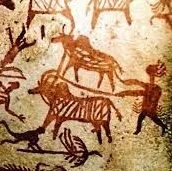

हडप्पा संस्कृतीची स्थळे पुरातत्त्वीय पर्यटनाच्या दृष्टीने अत्त्यंत महत्त्वाची आहेत. सिंधू संस्कृतीला हडप्पा संस्कृती, ब्राँझ युगीन संस्कृती या नावानेही ओळखले जाते. सिंधू संस्कृती मधील लोकांनी जीवनातील सर्व क्षेत्रांमध्ये प्रगती केली होती. भारतामध्ये अश्मयुगानंतर मानवी प्रगती मधील सर्वात महत्वपूर्ण कालखंड म्हणजे ताम्रपाषाण युग होय. धातु युगाच्या प्रारंभी मानवाने तांब्यापासून विविध अलंकार व उपकरणे बनविले. ज्या काळात मानवाने तांबे व दगड या दोन्हींचाही उपयोग हत्यारे बनविण्यासाठी केला तो काळ ताम्रपाषाण युग म्हणून ओळखला जातो. ताम्रपाषाण युगात भारतात विविध प्रदेशांमध्ये अनेक संस्कृती उदयास आल्या. त्यापैकी सर्वात प्राचीन व विकसित संस्कृती म्हणजे हडप्पा संस्कृती होय. जगातील इतर कोणत्याही संस्कृतीपेक्षा नगररचना, सांडपाण्याची व्यवस्था, स्थापत्यकला या क्षेत्रात सिंधू संस्कृतीने फार मोठ्या प्रमाणावर प्रगती केलेली दिसून येते. तांबे व जस्त या धातूच्या मिश्रणातून ब्राँझ धातू बनविण्याचे कौशल्य सिंधू संस्कृती मधील लोकांनी विकसित केले होते.
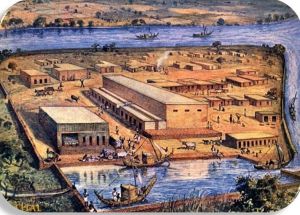
सिंधू संस्कृती नगर रचना
पुरातत्त्व आणि पर्यटन याचे उत्तम उदाहरण जगातील इतर कोणत्याही संस्कृतीमध्ये न आढळणारी नियोजनबद्ध नगर रचना हे सिंधू संस्कृतीचे खास वैशिष्ट्य आहे. हडप्पा व मोहें-जो-दडो व इतर ठिकाणी ही योजनाबद्ध नगर रचना आढळते. नगररचनेच्या बाबतीत सौंदर्यवादी दृष्टिकोना बरोबरच त्यांनी उपयुक्ततेला देखील प्राधान्य दिले होते. सिंधू संस्कृती मध्ये दोन विभाग दिसतात. एका बाजूस असलेल्या उंच भागावर राज्यकर्ते व श्रीमंत लोक यांचे वास्तव्य असावे तर मैदानातील भागावर सर्वसामान्य समाजाची वस्ती असल्याचे दिसून येते. येथील नगर रचनेमध्ये तटबंदी, मैदानातील नगररचना आणि प्रचंड इमारती हे तीन भाग होतात.
तटबंदी Fortification-मोहेंजोदडो येथे तटबंदीचे अवशेष मिळाले आहेत. यावरून या संस्कृतीमधील लोक शांतताप्रिय असावेत असे मत जॉन मार्शल यांनी मांडले आहे. हडप्पा येथे शहराच्या एका बाजूस उंच भागावर असलेल्या घराभोवती तटबंदी केल्याचे आढळले. अशाच प्रकारे अनेक नगराभोवती तटबंदीचे अवशेष मिळाले आहेत .तटबंदीमुळे नगराचे संरक्षण होत असावे.
रस्ते Roads- हडप्पा ,मोहेंजोदडो ,लोथल ,धोलावीरा ,राखीगढी इत्यादी ठिकाणी शहरांमधे रस्त्यांचे अवशेष आढळले. शहराच्या मध्यभागातून पूर्व-पश्चिम भागातून जाणाऱ्या रस्त्यांमुळे शहराचे दोन भागात विभाजन केलेले होते.या मुख्य रस्त्याला बरोबर काटकोनात छेद देणारे कमी रुंदीचे उप रस्ते केलेले आहेत. या विशिष्ट रचनेमुळे शहरातील वातावरण मोकळे व स्वच्छ राहात होते. रस्त्यावर दिवाबत्तीची सोय व कचरा एकत्र करण्याची सोय केलेली होती.
घरे Houses- सामान्य नागरिकांची घरे शहराच्या मैदानाकडील भागात आहेत. ही घरे उप रस्त्यांच्या दोन्ही बाजूला बांधलेली आहेत. कोणतेही घर मुख्य रस्त्याला आढळले नाही. तसेच मुख्य रस्त्याकडे तोंड करून घराचा दरवाजा किंवा खिडकी बांधलेली आढळत नाही. ही घरे पक्या भाजलेल्या विटांनी बांधलेली आहेत. घरांचा आकार सर्वसाधारणपणे चौरस पद्धतीचा आहे. घराच्या मध्यभागी चौक असून त्याच्या बाजूला खोल्या आहेत. ही घरे दुमजली असून क्वचित तीन मजली घरे देखील त्यांनी बांधली आहेत. वरच्या मजल्यावर जाण्यासाठी भिंतीतून पायऱ्या केलेल्या आहेत. घराच्या समोर अंगण व मागे परस केलेले आहे. काही घरांमध्ये विहिरी आढळल्या आहेत. प्रत्येक घरामध्ये स्नानगृह बांधलेले आहे. तळमजल्यावरील खोल्यांचा उपयोग स्वयंपाक गृह आणि भांडार गृह यासाठी केला जात असावा.
भुयारी गटारे (Underground drainage system)- सिंधू संस्कृती मध्ये प्रत्येक घरात स्नानगृह बांधलेले होते. घरातून बाहेर पडणारे सांडपाणी उभ्या नळाद्वारे उप रस्त्या खालून जाणाऱ्या गटाराना जोडलेले होते. मुख्य रस्त्याखाली असलेल्या भुयारी गटारा मधून हे सांडपाणी शहराच्या बाहेर नेऊन सोडण्याची व्यवस्था केलेली होती. ही गटारे भाजलेल्या विटांनी बांधलेली आहेत. गटारे स्वच्छ करण्यासाठी ठराविक अंतरावर स्वतंत्र व्यवस्था केलेली होती. अशा प्रकारची भुयारी गटारांची योजना समकालीन इतर संस्कृती मध्ये आढळत नाही.
सिंधू संस्कृती मधील प्रचंड इमारती
सिंधू संस्कृतीच्या विविध ठिकाणी केलेल्या पुरातत्वीय उत्खननामध्ये प्रचंड इमारतींचे अवशेष मिळाले आहेत. नियोजन बद्ध नगर रचनेप्रमाणे प्रचंड इमारती हेसुद्धा या संस्कृतीचे वैशिष्ट्य आहे. या इमारतींच्या बांधकामामध्ये सौंदर्यवादी दृष्टीकोन ,प्रमाणबद्धता ,उपयुक्तता व रेखीवता इत्यादी घटकांचा समावेश होतो.
महास्नानगृह (Great Bath)-मोहेंजोदडो येथे महास्नान गृहाचे अवशेष मिळाले आहेत. सिंधू संस्कृतीमध्ये प्रत्येक घरात स्नानगृह असूनही अशा प्रकारचे सार्वजनिक स्वरूपाचे महा स्नानगृह त्यांनी बांधले होते. हे महा स्नानगृह साठ मीटर लांब व 36 मीटर रुंद आहे. मध्यभागी 13 मीटर लांबीचा पोहण्याचा तलाव आहे.. त्याची खोली तीन मीटर इतकी आहे. संपूर्ण महा स्नानगृह पक्क्य भाजलेल्या विटांनी बांधलेले आहे. तलावामध्ये उतरण्यासाठी पायऱ्या केलेल्या आहेत. शेजारी असलेल्या मोठ्या विहिरींमधून तलावामध्ये स्वच्छ पाणी पाण्याची सोय केलेली आहे. तसेच तलावातील अस्वच्छ पाणी बाहेर सोडून देण्याची व्यवस्था केलेली आहे. तलावाभोवती लहान आकारांच्या खोल्या बांधलेल्या आहेत. त्यांचा उपयोग कशासाठी केला जात असावा याबद्दल विद्वानांमध्ये मतभेद आहेत.
धान्याचे कोठार (Granery) – सिंधू संस्कृती मध्ये धान्याच्या स्वरूपामध्ये कर गोळा केला जात असे. हे जमा झालेले धान्य साठविण्यासाठी प्रचंड आकाराची धान्य कोठारे त्यांनी बांधली. मोहेंजोदडो येथे धान्याचे कोठार आढळले आहे. हे धान्य कोठार 50 मीटर लांब व 25 मीटर रुंद आहे. इमारतीच्या दोन्ही बाजूला धान्य साठवण्यासाठी मोठ्या खोल्या बांधलेल्या आहेत. या खोल्यांमध्ये हवा खेळती राहावी यासाठी वायुविजन ( ventilation)ची सोय केलेली आहे.
जहाजाची गोदी (Dockyard) -समुद्रमार्गे व्यापार करण्यासाठी सिंधू संस्कृती मधील लोकांनी लोथल येथे जहाजाची गोदी गोदी बांधली होती. यामध्ये नवीन जहाज बांधणी व दुरुस्ती करण्याची सोय केलेली होती. भारतामध्ये गुजरात मधील लोथल येथे पक्या भाजलेल्या विटांनी बांधलेली प्रचंड आकाराची जहाजाची गोदी आढळली आहे. या गोदीमध्ये समुद्राच्या भरती वेळी येणाऱ्या लाटांबरोबर येणारे पाणी या जहाजाच्या गोदीमध्ये येईल आणि समुद्राच्या ओहोटीच्या वेळी आलेले पाणी बाहेर जाणार नाही अशी व्यवस्था केलेली होती.
सभाग्रह (Public Hall) -मोहेंजोदडो येथे सुमारे 25 मीटर लांब व 25 मीटर रुंदीच्या एका सार्वजनिक सभागृहाचे अवशेष मिळाले आहेत.
शासन केंद्र (Administration Center)- सिंधू संस्कृतीच्या उत्खननात एका वेगळ्या प्रकारच्या इमारतीचे अवशेष मिळाले आहेत. त्यामध्ये एका बाजूस प्रमुख व्यक्तीला बसण्यासाठी जागा केलेली आहे. तसेच त्याच्याभोवती आणखी काही जणांना बसण्यासाठी आसने किंवा बैठक व्यवस्था केलेली आहे. याचा उपयोग प्रशासन चालविण्यासाठी केला जात असावा. काही विद्वानांच्या मते ही इमारत एक शिक्षण केंद्र असावे.
भारतातील सिंधू संस्कृतीची पुरातत्त्वीय पर्यटन स्थळे
भारत आणि पाकिस्तान मध्ये हडप्पा संस्कृतीची एकूण १५०० स्थळेआहेत.त्यापैकी १००० स्थळे भारतात आहेत.भारतीय पुरातत्त्व सर्व्हेक्षण विभाग,डेक्कन कॉलेज -पुणे आणि अनेक संशोधन संस्थांनी गेल्या शंभर वर्षात भारतातील विविध स्थळांवर पुरातत्त्वीय उत्खनन केले आहे.गुजरात मधील लोथल आणि धोलावीरा तसेच हरियाणा मधील राखीगढी हि स्थळे भारतीय पुरातत्त्व सर्व्हेक्षण विभागाने अतिशय चांगल्या पद्धतीने जतन आणि संवर्धन केली आहेत.युनेस्कोने धोलाविरा या स्थळाला जागतिक वारसा स्थळ म्हणून मान्यता दिली आहे.राखीगढी हे स्थळ सिंधू संस्कृती मधील सर्वात मोठे नगर असल्याचे स्पष्ट झाले आहे.डेक्कन कॉलेजचे माजी कुलगुरू प्रोफेसर वसंत शिंदे यांनी राखीगढी येथे केलेल्या संशोधनामुळे जगभरातील संशोधकांचे लक्ष वळले आहे.हि स्थळे पुरातत्त्वीय संशोधनाबरोबरच पर्यटकांचे आकर्षण केंद्र बनले आहेत.
लोथल – सिंधू संस्कृतीचा आरसा
गुजरातमधील लोथल हे सिंधू संस्कृतीच्या अभ्यासासाठी अत्यंत महत्त्वाचे पुरातत्व स्थळ आहे. 1954 साली शोध लागलेले हे नगर इ.स.पू. 2400 च्या सुमारास वसलेले होते. ‘लोथल’ म्हणजे ‘मृतांचे टेकाड’, आणि खरेच या भूमीत जतन झालेल्या अवशेषांमधून हडप्पा येथील लोकांचे नागरी नियोजन, व्यापार, आणि दैनंदिन जीवन यांची मौल्यवान माहिती मिळते.
लोथलची सर्वात लक्षणीय रचना म्हणजे येथे सापडलेले जहाजतळ (dockyard). हे जगातील सर्वात प्राचीन जहाजतळांपैकी एक मानले जाते. या बांधकामातून लोथलचा आंतरराष्ट्रीय व्यापारी केंद्र म्हणून झालेला विकास दिसून येतो. मेसोपोटामियासारख्या प्राचीन संस्कृतींशी हडप्पा लोकांचा व्यापार येथे होत असे. उत्खननात सापडलेली मणी बनविण्याची कार्यशाळा, शिक्के, वजन-मोजणी साधने आणि मातीची भांडी या समाजाच्या कारागिरी आणि तंत्रज्ञानाची साक्ष देतात. तसेच जलनिस्सारण व्यवस्था आणि नीट आखलेले निवासी भाग या नगराचे प्रगत नागरी नियोजन दाखवतात.
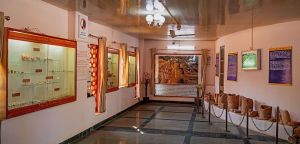
पर्यटकांसाठी लोथल येथे असलेले पुरातत्व संग्रहालय मणी, दागिने, शिक्के आणि साधने यांचा अनमोल संग्रह जतन करून ठेवण्यात आलेला आहे. उत्खननातील अवशेष – रस्ते, घरे आणि जहाजतळ – फिरताना प्राचीन नगरजीवनाची प्रत्यक्ष झलक दिसते. संग्रहालयातील मॉडेल्स व मांडणी या स्थळाचे महत्त्व सोप्या भाषेत समजावून देतात.
अलीकडील काळात लोथलचे महत्त्व वाढले आहे. येथे विकसित होत असलेले मॅरिटाईम हेरिटेज कॉम्प्लेक्स भारताच्या प्राचीन सागरी परंपरा व व्यापार इतिहासाचे दर्शन घडवेल. त्यामुळे पर्यटकांचा अनुभव अधिक समृद्ध होईल आणि स्थळाचे पुरातत्व महत्त्वही जतन केले जाईल.
इतिहासप्रेमी, विद्यार्थी आणि पर्यटक यांच्यासाठी लोथल हे एक अद्वितीय ठिकाण आहे, जे प्राचीन भूतकाळ आणि वर्तमान काळ यांना जोडते आणि मानवी प्रगतीची कहाणी सांगते.
धोलावीरा – सिंधू संस्कृतीचे वैभव
गुजरातमधील कच्छच्या रणात वसलेले धोलावीरा हे सिंधू संस्कृतीतील सर्वात मोठ्या व उल्लेखनीय पुरातत्व स्थळांपैकी एक आहे. 1967 साली या ठिकाणाचा शोध लागला. इ.स.पू. 3000 ते 1500 या कालखंडात हे नगर फुलले-फळले. 2021 साली युनेस्कोने धोलावीरा याला जागतिक वारसा स्थळाचा दर्जा दिला, ज्यामुळे या नगराचे ऐतिहासिक महत्त्व जागतिक स्तरावर अधोरेखित झाले.
धोलावीरा हे आपल्या अनोख्या नगररचनेमुळे आणि जलसंधारण पद्धतींमुळे विशेष ठरते. इतर हरप्पा नगरांपेक्षा वेगळ्या पद्धतीने येथे किल्ला, मध्यम नगर आणि खालचे नगर अशी तीन विभागीय मांडणी होती. कोरड्या प्रदेशात जगण्यासाठी येथील लोकांनी जलाशय, कालवे आणि पायऱ्यांची विहिरी तयार केल्या होत्या, ज्यातून त्यांच्या प्रगत अभियांत्रिकी कौशल्याची प्रचिती येते. उत्खननात शिक्के, मणी, मातीची भांडी, दागदागिने आणि सिंधू लिपीतील मोठे शिलालेख आढळले आहेत, ज्यामुळे हे स्थळ इतिहास अभ्यासकांसाठी खजिना ठरते.
पर्यटकांसाठी धोलावीरा एक आगळावेगळा अनुभव देते. येथील नीट आखलेले रस्ते, तटबंदी व जलाशय पाहताना सिंधू संस्कृतीमधील लोकांची कुशलता जाणवते. स्थळावर असलेल्या संग्रहालयात वस्तू, नमुने आणि माहितीपूर्ण प्रदर्शने पाहून प्राचीन जीवनाशी नाते जोडता येते. याशिवाय, रणातील निसर्गसौंदर्य, विशेषतः सूर्यास्त व सूर्योदय, धोलावीरा भेट अविस्मरणीय बनवतात.
अलिकडच्या काळात धोलावीरा येथे पायाभूत सुविधा सुधारल्या जात आहेत. वारसा पर्यटन प्रोत्साहनासाठी मार्गदर्शित फेऱ्या व इको-टुरिझम सुविधा उपलब्ध केल्या जात आहेत. युनेस्को मान्यतेनंतर जागतिक पातळीवर या स्थळाकडे अधिक लक्ष वेधले गेले असून संशोधन व संवर्धन कार्याला गती मिळाली आहे.
इतिहासप्रेमी, विद्यार्थी आणि पर्यटक यांच्यासाठी धोलावीरा हे प्राचीन संस्कृतीचे वैभव पाहण्याचे आणि मानवी प्रगतीचा ठसा जाणून घेण्याचे अद्वितीय ठिकाण आहे.
राखीगढी – भारतातील सर्वात मोठे सिंधू संस्कृतीचे स्थळ
हरियाण्यातील हिसार जिल्ह्यात वसलेली राखीगढी ही भारतात आढळलेली सर्वात मोठी सिंधू संस्कृतीची नगरी मानली जाते. सुमारे 350 हेक्टर परिसरात पसरलेल्या या नगराचा इतिहास इ.स.पू. 2600 ते 1900 च्या दरम्यानचा आहे. येथे झालेल्या संशोधनामुळे हरप्पा संस्कृतीच्या विस्तार आणि विकासाचा महत्त्वपूर्ण मागोवा लागतो.
पुरातत्त्वशास्त्रीय दृष्टीने राखीगढी अत्यंत महत्त्वाचे आहे. येथे नियोजनबद्ध रस्ते, जलनिस्सारण व्यवस्था, धान्यकोठारे, मातीभट्ट्या आणि कारागीरांच्या कार्यशाळा आढळल्या आहेत. उत्खननात मानवाचे सांगाडे, दागदागिने, मृण्मूर्ती आणि भांडी सापडली आहेत. विशेष म्हणजे येथे आढळलेली दफनभूमी मातीच्या भांड्यांसह व दागिन्यांसह मिळाली आहे, ज्यामुळे सिंधू संस्कृती मधील लोकांच्या अंत्यसंस्कार पद्धतींचा अभ्यास करता येतो. अलीकडील डीएनए चाचण्यांमुळे सिंधू संस्कृती मधील लोकांच्या वंशपरंपरेबाबत मौल्यवान माहिती मिळाली आहे.
पर्यटकांसाठी राखीगढी एक आगळावेगळा अनुभव देणारे ठिकाण आहे. उत्खननातून सापडलेले टेकाड, रस्त्यांचे अवशेष आणि कलाकृती पाहताना हजारो वर्षांपूर्वीच्या जीवनशैलीची जाणीव होते. येथील संग्रहालय आणि उत्खनन स्थळे पाहून या प्राचीन नगराचे महत्त्व लक्षात येते. परिसरात फिरताना सिंधू संस्कृतीमधील लोकांचे नागरी जीवन किती प्रगत होते याची साक्ष मिळते.
अलिकडच्या काळात राखीगढीचे महत्त्व अधिक अधोरेखित झाले आहे. भारतीय पुरातत्व सर्वेक्षण विभागाकडून (ASI) येथे संशोधन व संवर्धन कार्य सुरू आहे. याशिवाय, वारसा पर्यटन केंद्र म्हणून विकसित करण्याचे नियोजन केले जात आहे. पर्यटकांसाठी अधिक सुविधा, माहिती केंद्रे आणि मार्गदर्शित फेरफटका यांमुळे या ठिकाणाचा अनुभव समृद्ध होणार आहे.
इतिहासप्रेमी, विद्यार्थी आणि पर्यटक यांच्यासाठी राखीगढी हे स्थळ म्हणजे प्राचीन भूतकाळाचा शोध घेण्याची आणि सिंधू संस्कृतीच्या वैभवाचा जवळून अनुभव घेण्याची एक अद्वितीय संधी आहे.
लोथल,धोलावीरा आणि राखीगढी Location Link
सारांश
इ.स.पू. 3000 ते 1500 या कालखंडात फुललेली सिंधू संस्कृती ही जगातील सर्वात प्राचीन व प्रगत संस्कृतींपैकी एक मानली जाते. भारत आणि पाकिस्तान या प्रदेशात पसरलेली ही संस्कृती नागरी नियोजन, जलव्यवस्था, व्यापार आणि सांस्कृतिक कामगिरीसाठी प्रसिद्ध आहे. लोथल, धोलावीरा आणि राखीगढी ही काही महत्त्वाची स्थळे आजही इतिहासकार, पुरातत्त्वज्ञ आणि पर्यटकांना आकर्षित करतात.
लोथल (गुजरात) येथील जहाजतळ हे जगातील सर्वात प्राचीन मानले जाते. यावरून सिंधू संस्कृतीमधील लोकांचा समुद्री व्यापार किती प्रगत होता हे दिसते. येथे सापडलेल्या मणी तयार करण्याच्या कार्यशाळा, शिक्के व मातीची भांडी त्यांच्या कारागिरीची साक्ष देतात.
धोलावीरा (गुजरात), ज्याला आता युनेस्को जागतिक वारसा स्थळाचा दर्जा मिळाला आहे, हे अनोख्या नगररचनेसाठी आणि जलसंधारण पद्धतींसाठी प्रसिद्ध आहे. येथे आढळलेले प्रचंड जलाशय आणि पायऱ्यांच्या विहिरी सिंधू संस्कृतीमधील लोकांच्या अभियांत्रिकी कौशल्याचे उत्तम उदाहरण आहेत.
राखीगढी (हरियाणा) हे भारतातील सर्वात मोठे सिंधू संस्कृतीचे स्थळ असून सुमारे 350 हेक्टरमध्ये पसरलेले आहे. येथे आढळलेले रस्ते, धान्यकोठारे, कारागीरांच्या कार्यशाळा आणि दफनभूमी हरप्पा समाजाचे सामाजिक व सांस्कृतिक आयुष्य स्पष्ट करतात. येथील सांगाड्यांच्या डीएनए चाचण्यांनी त्यांच्या वंशपरंपरेवरही प्रकाश टाकला आहे.
पर्यटकांसाठी ही स्थळे भूतकाळात घेऊन जातात. लोथल व धोलावीरा येथील संग्रहालयामध्ये मौल्यवान वस्तू जतन करण्यात आलेले आहेत, तर उत्खननातील रस्ते, जलाशय व अवशेष पाहून प्राचीन नागरी जीवनाची कल्पना येते. राखीगढीत फिरताना सिंधू संस्कृती मधील लोकांची प्रगत जीवनशैली जाणवते, तर रणाच्या पार्श्वभूमीवरचे धोलावीरा अविस्मरणीय ठरते.
Indus Valley Civilization : Archaeological Tourist Sites
The people of the Indus valley civilization had progressed in all spheres of life. The most important period in human progress after the Stone Age in India is the Copper Age. At the beginning of the Metal Age, humans made various ornaments and implements from copper. The period when humans used both copper and stone to make weapons is known as the Copper Age. Indus valley Civilization is also known as Harappa Civilization, Bronze Age Civilization. During the Copper Age, many cultures emerged in different regions of India. Among them, the most ancient and developed civilization is the Harappan civilization. It is seen that Harappan civilization has made great progress in the field of urban planning, sewage system, architecture than any other civilization in the world. The skill of making bronze metal from an alloy of copper and zinc was developed by the people of the Indus valley civilization.
Town Planning of Indus valley Civilization
A special feature of the Indus valley civilization is the planned urban structure which is not found in any other civilization in the world. This planned city structure is found in Harappa and Mohen-jo-Dado and other places. Along with the aesthetic approach to urban planning, he also gave preference to utility. There are two divisions in the Harappan culture. The elevated area on one side is supposed to be inhabited by the rulers and rich people while the plain area is seen to be inhabited by the common people. The urban structure here consists of three parts: fortifications, urban structures in plains and huge buildings.
Fortification -Remains of fortifications have been found at Mohenjodado. From this, John Marshall suggested that people in this culture should be peaceful. At Harappa, a wall was found around a house on a hill on one side of the city. Similarly, the remains of ramparts have been found around many cities. The ramparts must have protected the city.
Roads -Remains of roads were found in cities like Harappa, Mohenjodado, Lothal, Dholavira, Rakhigarhi etc. The city is divided into two parts by roads running east-west from the center of the city. The main road is intersected at right angles by narrower sub-roads. Due to this particular design, the atmosphere in the city was free and clean. Street lighting and waste collection facilities were provided.
Houses-The houses of ordinary citizens are located in the outskirts of the city. These houses are built on either side of the sub roads. No houses were found on the main road. Also, there is no door or window of the house facing the main road. These houses are built of baked bricks. The shape of the houses is generally square. There is a square in the middle of the house and there are rooms on its sides. These houses are two-storied and rarely three-storied houses are also built by them. Stairs are cut through the wall to get to the upper floor. There is a yard in front of the house and a yard in the back. Wells have been found in some houses. Bathroom is built in every house. The rooms on the ground floor may have been used for cooking and storage.
Underground drainage system-In the Indus valley civilization, every house had a bathroom. The sewage from the house was connected to the sewers passing under the sub-road through a vertical pipe. Arrangements were made to discharge this sewage outside the city through the underground sewers under the main road. These drains are built with burnt bricks. Separate arrangements were made for cleaning the drains at regular intervals. Such a scheme of underground sewers is not found in other contemporary cultures.
Colossal buildings in the Indus Valley Civilization
Archaeological excavations at various sites of the Indus valley civilization have yielded remains of huge buildings. Huge buildings are also a feature of this culture as well as planned urban design. The construction of these buildings includes elements such as aesthetic approach, proportionality, utility and linearity.
Great Bath Mohenjo-Daro-Remains of Public Bath have been found at Mohenjo-Daro. In the Harappan culture, although every house had a bathroom, they built a public bath of this type. This great bath is sixty meters long and 36 meters wide. In the center is a 13 meter long swimming pool. Its depth is three meters. The entire Great bath is built with baked bricks. There are steps to descend into the lake. Clean water is provided in the lake from the big wells nearby. Arrangements have also been made to release the unsanitary water from the lake. Smaller sized rooms are built around the lake. Scholars differ as to what they should have been used for.
Granary in Harappa -In the Harappan culture taxes were collected in the form of grain. They built huge granaries to store this accumulated grain. A granary has been found at Mohenjodado. This granary is 50 meters long and 25 meters wide. On both sides of the building, large rooms are built for storing grain. Ventilation is provided to keep the air circulating in these rooms.
Dockyard at Lothal-People of Indus valley civilization built ship docks to trade by sea. It provided facilities for building and repairing new ships. Baked at Lothal in Gujarat, India.An enormous brick-built ship dock has been found. The dock was designed so that the water coming in with the waves during the high tide would enter the ship’s dock and the water coming in during the low tide would not go out.
Public Hall -Remains of a public hall about 25 meters long and 25 meters wide have been found at Mohenjo-Daro.
Administration Center– Excavations of the Harappa culture have yielded remains of a different type of building. It has a seat on one side for the chief person. Also seats or meetings are arranged around him for some more people to sit. It should be used to run the administration. According to some scholars, this building may have been a learning center.
Town Planning(Urban design) was a special feature of the Indus valley civilization. This kind of urban structure is not found in any other contemporary culture. In India, many sites of Harappan culture have been found in Gujarat, Rajasthan, Punjab, Haryana in large numbers. At most of these sites, the remains of the typical urban structure of the Indus valley civilization can be found.
Archaeological tourist sites of the Indus Valley Civilization in India
There are a total of 1500 sites of Harappan civilization in India and Pakistan. Out of them, 1000 sites are in India. Archaeological Survey of India, Deccan College-Pune and many research institutes have conducted archaeological excavations at various sites in India in the last hundred years. Lothal and Dholavira in Gujarat and Rakhigarhi in Haryana have been preserved and conserved in a very good manner by the Archaeological Survey of India. UNESCO has recognized Dholavira as a World Heritage Site. It has been clear that Rakhigarhi is the largest city of the Indus Valley Civilization. The research conducted by Professor Vasant Shinde, former Vice Chancellor of Deccan College, at Rakhigarhi has attracted the attention of researchers from all over the world. Along with archaeological research, these sites have become a center of attraction for tourists.
Lothal – Mirror of the Indus Valley Civilization
Lothal in Gujarat is a very important archaeological site for the study of the Indus Valley Civilization. Discovered in 1954, the city was inhabited around 2400 BC. ‘Lothal’ means ‘hill of the dead’, and indeed, the remains preserved in this land provide valuable information about the urban planning, trade, and daily life of the Harappans.
The most notable structure of Lothal is the dockyard found here. It is considered one of the oldest dockyards in the world. This construction shows the development of Lothal as an international trading center. The Harappans traded with ancient civilizations such as Mesopotamia. Bead workshops, stamps, weighing instruments, and pottery found during excavations testify to the craftsmanship and technology of this society. Also, the drainage system and well-planned residential areas show the advanced urban planning of this city.
The Archaeological Museum at Lothal has preserved a priceless collection of beads, jewellery, stamps and tools for tourists. A walk through the excavated remains – roads, houses and shipwrecks – gives a first-hand glimpse of ancient city life. The models and displays in the museum explain the importance of the site in simple terms.
Lothal has gained importance in recent times. The Maritime Heritage Complex being developed here will showcase India’s ancient maritime tradition and trading history. This will enrich the tourist experience and preserve the archaeological significance of the site.
For history buffs, students and tourists, Lothal is a unique place that connects the ancient past with the present and tells the story of human progress.
Dholavira – The Glory of the Indus Valley Civilization
Dholavira, located in the Rann of Kutch in Gujarat, is one of the largest and most notable archaeological sites of the Indus Valley Civilization. It was discovered in 1967. The city flourished between 3000 and 1500 BC. In 2021, UNESCO declared Dholavira a World Heritage Site, highlighting its historical significance on a global scale.
Dholavira is notable for its unique urban planning and water conservation practices. Unlike other Harappan cities, it had a three-tiered layout: a fort, a middle city, and a lower city. To survive in the arid region, the people here built reservoirs, canals, and stepwells, which demonstrate their advanced engineering skills. Excavations have uncovered stamps, beads, pottery, jewellery and large inscriptions in the Indus script, making the site a treasure trove for history scholars.
Dholavira offers a unique experience for tourists. The well-planned roads, ramparts and reservoirs here reveal the skill of the people of the Indus Valley Civilization. The museum at the site houses objects, specimens and informative displays that provide a glimpse into ancient life. In addition, the natural beauty of the plains, especially the sunset and sunrise, make a visit to Dholavira unforgettable.
In recent times, infrastructure has been improving at Dholavira. Guided tours and eco-tourism facilities are being provided to promote heritage tourism. After UNESCO recognition, the site has attracted more attention at the global level and research and conservation work has gained momentum.
For history buffs, students and tourists, Dholavira is a unique place to witness the splendor of ancient civilization and learn about the imprint of human progress.
Rakhigarhi – India’s Largest Indus Valley Civilization Site
Located in Hisar district of Haryana, Rakhigarhi is considered to be the largest Indus Valley Civilization site found in India. Spread over an area of about 350 hectares, the city dates back to between 2600 and 1900 BC. The research conducted here provides important clues about the expansion and development of the Harappan civilization.
Rakhigarhi is of great archaeological importance. Planned roads, drainage systems, granaries, clay kilns and artisan workshops have been found here. Excavations have found human skeletons, jewelry, pottery and pottery. Notably, the burial ground found here has been found with pottery and jewelry, which allows us to study the funeral practices of the people of the Indus Valley Civilization. Recent DNA tests have provided valuable information about the lineage of the people of the Indus Valley Civilization.
Rakhigarhi is a place that offers a unique experience for tourists. The mounds, remains of roads and artefacts found during excavations give a sense of the lifestyle of thousands of years ago. The importance of this ancient city is evident from the museums and excavation sites here. A walk around the area shows how advanced the urban life of the people of the Indus Valley Civilization was.
The importance of Rakhigarhi has become more evident in recent times. Research and conservation work is being carried out here by the Archaeological Survey of India (ASI). In addition, there are plans to develop it as a heritage tourism centre. More facilities, information centres and guided tours for tourists will enrich the experience of this place.
For history buffs, students and tourists, Rakhigarhi is a unique opportunity to explore the ancient past and experience the splendor of the Indus Valley Civilization up close.
Summary
The Indus Valley Civilization, which flourished between 3000 and 1500 BC, is considered one of the oldest and most advanced civilizations in the world. This civilization, which spread across India and Pakistan, is famous for its urban planning, water management, trade and cultural achievements. Some of the important sites, such as Lothal, Dholavira and Rakhigarhi, still attract historians, archaeologists and tourists.
The shipwreck at Lothal (Gujarat) is considered the oldest in the world. This shows how advanced the maritime trade of the people of the Indus Valley Civilization was. The bead-making workshops, seals and pottery found here testify to their craftsmanship.
Dholavira (Gujarat), which has now been granted the status of a UNESCO World Heritage Site, is famous for its unique urban planning and water conservation methods. The huge reservoirs and step wells found here are a great example of the engineering skills of the people of the Indus Valley Civilization.
Rakhigarhi (Haryana) is the largest Indus Valley Civilization site in India, spread over an area of about 350 hectares. The roads, granaries, artisan workshops and burial grounds found here shed light on the social and cultural life of the Harappan society. DNA tests of the skeletons here have also shed light on their lineage.
These sites take tourists back in time. The museums at Lothal and Dholavira have preserved valuable artifacts, while the roads, reservoirs and remains from the excavations give an idea of ancient urban life. A walk through Rakhigarhi gives a sense of the advanced lifestyle of the people of the Indus Valley Civilization, while the backdrop of Dholavira is unforgettable.
Due to ongoing excavations, conservation projects and heritage tourism initiatives in India today, these sites have become a link between the past and the present. The Indus Valley Civilization is an eternal treasure of human history.


 Incredible Heritage
Very very nice 👍👍👍👍
LikeLike
Very nice
LikeLike
Thank you.
LikeLike