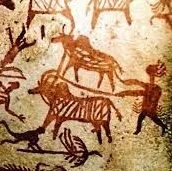

When the word ‘heritage’ is mentioned, images of temples, forts, sculptures, ancient structures, and historical monuments immediately come to mind. However, heritage is not limited solely to physical objects. There exists a vital form of heritage—cherished within the hearts, thoughts, and daily lives of human societies—known as Intangible Cultural Heritage. This encompasses traditions, folk arts, performing arts, rituals, festivals, oral knowledge, craftsmanship skills, and social customs.
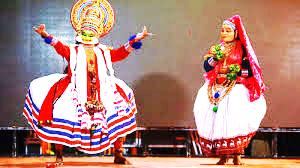
Intangible heritage stands as a living testament to human creativity. It connects a society to its history while simultaneously evolving with the passage of time. Unlike monuments carved in stone, this heritage is not static; it endures only if it is cherished, practiced, and transmitted by people to the next generation. In today’s era of globalization, urbanization, and modernization, many traditions face the threat of extinction. Consequently, the preservation of intangible heritage has emerged as a global imperative.
Recognizing the significance of this heritage, UNESCO—an international organization—has taken significant strides to conserve intangible heritage across the globe. India, a nation rich in diverse languages, arts, music, festivals, and traditions, holds a unique and prominent position in this domain.
The Meaning of Intangible Heritage
Intangible heritage refers to the non-material cultural traditions and expressions inherited from ancestors and transmitted from one generation to the next. According to UNESCO, intangible heritage comprises the practices, knowledge, skills, expressions, and performances that a community recognizes as an integral part of its own cultural identity. This includes the following elements:
- Oral traditions and folklore
- Performing arts such as music, dance, and theater
- Social customs, rituals, and festivals
- Traditional knowledge regarding nature and the universe
- Traditional craftsmanship skills
- Unlike tangible heritage, intangible heritage is constantly evolving and is continually reshaped by society
The Significance of Intangible Heritage
Intangible heritage preserves a society’s cultural identity. It connects people to their roots and fosters a sense of continuity. Through traditional songs, dances, festivals, and skills, the younger generation gains an awareness of its history.
It also strengthens social cohesion. Festivals, fairs, and rituals bring people together. Many traditional arts and skills provide employment opportunities for artists, artisans, and folk performers. Cultural tourism also gives a boost to the local economy.
Furthermore, intangible heritage imparts lessons on sustainable living, respect for nature, and community cooperation.
UNESCO and Intangible Cultural Heritage
In 2003, UNESCO adopted the Convention for the Safeguarding of the Intangible Cultural Heritage. Through this agreement, nations are encouraged to identify, document, preserve, and promote their living traditions.
UNESCO has established various lists for intangible heritage:
- The Representative List of the Intangible Cultural Heritage of Humanity
- The List of Intangible Cultural Heritage in Need of Urgent Safeguarding
- The Register of Good Safeguarding Practices
The objective of these lists is to underscore the significance of these traditions.
UNESCO-Recognized Intangible Heritage Worldwide
UNESCO has granted recognition to numerous traditions across the globe. Some famous examples:
- Spain’s Flamenco music and dance
- India’s Yoga
- The Tango dance form of Argentina and Uruguay
- Japan’s Washoku culinary culture
- China’s art of Calligraphy
- Mexico’s traditional culinary culture
- The coffee traditions of Arab countries
- Mongolia’s Long Song (Urtiin Duu)
- Falconry traditions in various countries
This demonstrates that every society possesses its own unique cultural wealth.
UNESCO-Recognized Intangible Cultural Heritage in India.
India’s diverse and vibrant culture is home to numerous invaluable traditions. Of these, several have received recognition from UNESCO.
1. Kutiyattam – Keralam: Kutiyattam is one of the world’s oldest surviving Sanskrit theatre traditions. Performed within the temples of Kerala, this theatrical art form is highly classical in nature. It showcases a magnificent blend of acting, *mudras* (hand gestures), and Sanskrit dialogue.
2. Ramlila: Ramlila is a form of folk theatre based on the *Ramayana*. It is performed primarily in North India, particularly during the festival of Dussehra. It depicts the life and ideals of Lord Rama, as well as the triumph of *Dharma* (righteousness).
3. Vedic Chanting: The Indian oral tradition of chanting the Vedas with precise pronunciation is world-renowned. This knowledge has been preserved for thousands of years through the *Guru-Shishya* (teacher-disciple) tradition.
4.Ramman Festival – Uttarakhand: Ramman is a religious festival celebrated in the village of Saloor-Dungra in the Garhwal region of Uttarakhand. It encompasses dance, music, folk theatre, and rituals of worship.
5. Mudiyettu – Keralam: Mudiyettu is a religious theatre tradition originating in Kerala. It features a dramatic enactment of the battle between the Goddess Kali and the demon Darika.
6. Kalbelia Folk Songs and Dance – Rajasthan: This traditional dance form of the Kalbelia community in Rajasthan is renowned globally. Characterized by serpentine movements, vibrant costumes, and spirited music, this dance is truly captivating.
7. Chhau Dance: Performed in the states of Odisha, Jharkhand, and West Bengal, the Chhau dance form draws its inspiration from martial arts, masks, and folklore.
8. Buddhist Chanting – Ladakh: The chanting of hymns performed by monks in the Buddhist monasteries of Ladakh constitutes a significant spiritual tradition. It serves as a symbol of meditation, peace, and religious rituals.
9. Manipur Sankirtana: Sankirtana is a musical and dance tradition associated with the Vaishnavite devotional heritage of the state of Manipur. It features a beautiful fusion of drumming, singing, and dance.
10. The Craft of Hammered Brass and Copper Utensils Art : UNESCO has recognized the art of handcrafting copper and brass vessels by traditional artisans in Punjab. This represents a magnificent tradition of traditional metalworking craftsmanship.
11. Yoga: Yoga is an invaluable gift that India has bestowed upon the world. This ancient way of life, which fosters a balance between the body, mind, and soul, is popular across the globe today.
12. Kumbh Mela: The Kumbh Mela is regarded as the largest peaceful religious gathering in the world. It is held at four locations: Prayagraj, Haridwar, Ujjain, and Nashik.
13. Durga Puja – Kolkata: Durga Puja in West Bengal is a grand festival celebrating art, devotion, and social unity. It has garnered global recognition due to its beautiful *pandals* (pavilions), sculptural artistry, and cultural programs.
14. Garba – Gujarat: Garba is a traditional dance form originating from Gujarat. It is performed during the festival of Navratri to worship the feminine divine power (*Shakti*). Today, it has gained popularity throughout India.
15. Navroz / Nowruz: This is the New Year festival of the spring season—a celebration of renewal, harmony, family reunions, traditional rituals, feasting, and peace.
16. Diwali/Deepavali (India): Diwali is India’s “Festival of Lights,” symbolizing the triumph of good over evil. It is celebrated with lamps, prayers (*pujas*), sweets, family visits, and great joy.
India’s 16 elements of UNESCO Intangible Cultural Heritage have showcased the richness of Indian culture to the entire world. These heritage traditions are not merely historical customs; they serve as living symbols of the beliefs, arts, knowledge, and core values of Indian society. Challenges Facing Intangible Heritage
Today, many traditions face the following threats:
- Diminishing interest among the younger generation
- Migration from rural areas to cities
- Commercialization of culture
- Decline of local languages
- Lack of financial support for artists
- The influence of modern lifestyles
If traditional knowledge is not transmitted to the next generation, it risks being lost forever.
Measures to Preserve Intangible Heritage
The following measures are crucial for the conservation of intangible heritage:
- Providing training in traditional arts and skills to the youth
- Digitally documenting songs, stories, and rituals
- Providing financial assistance to artists and artisans
- Incorporating local culture into school curricula
- Organizing cultural festivals and exhibitions
- Promoting responsible cultural tourism
- Enhancing research and documentation efforts


Princely State of Tajpuri was a small yet historically significant political entity located in western India, within the present-day Sabarkantha district of Gujarat. Though modest in size and influence compared to larger princely states, Tajpuri offers valuable insight into the administrative, social, and economic structures that characterized many minor states during the colonial period. Its history reflects the layered hierarchy of princely governance under British paramountcy. https://www.indianetzone.com/princely_state_tajpuri
LikeLiked by 1 person