
मौर्य वंश भारतीय आणि जागतिक इतिहासात एक महत्त्वपूर्ण स्थान राखून आहे. प्राचीन काळातील सर्वात मोठ्या आणि प्रभावशाली साम्राज्यांपैकी हे एक साम्राज्य होते. चंद्रगुप्त मौर्याने इ.स.पूर्व ३२१ मध्ये या वंशाची स्थापना केली आणि सुमारे १३७ वर्षे ते बहरले. या काळात राजकीय, प्रशासकीय आणि सांस्कृतिक वारसा निर्माण झाला ज्याने संपूर्ण उपखंडाच्या इतिहासाची दिशा बदलली. सम्राट अशोकाच्या कारकिर्दीत मौर्य साम्राज्याने संपूर्ण दक्षिण आशियाला व्यापले, ज्यातून एकता, सत्ता आणि उत्तम शासन यांचे प्रतीक निर्माण झाले. केवळ विजयावर न थांबता, या साम्राज्याने शांती, सहिष्णुता आणि बौद्ध धर्माची बीजे पेरली, जी पुढे संपूर्ण आशियात पसरली आणि पिढ्यान्पिढ्या लोकांना प्रेरणा दिली.
मौर्य वंशाची उत्पत्ती आणि उदय
नंद वंशाच्या पतनानंतर भारतात राजकीय अस्थिरतेचे वातावरण निर्माण झाले. या पार्श्वभूमीवर चंद्रगुप्त मौर्याने आपल्या धूर्त आणि विद्वान गुरू व रणनीतिकार चाणक्य (कौटिल्य किंवा विष्णुगुप्त) यांच्या मार्गदर्शनाखाली नंद वंशाचा पराभव करून इ.स.पूर्व ३२१ मध्ये मौर्य साम्राज्याची स्थापना केली.
चाणक्याचे राजकारणावरील ग्रंथ अर्थशास्त्र हे मौर्य साम्राज्याचे मार्गदर्शक बनले. यात राज्यकारभार, प्रशासन, करप्रणाली, लष्करी रणनीती आणि मुत्सद्देगिरी यांचा सखोल विचार केला गेला. चंद्रगुप्ताच्या नेतृत्वाखाली मौर्यांनी युद्धे व संध्या करून साम्राज्य वाढवले. त्याने उत्तर-पश्चिमेकडील सिकंदराच्या सेनापती सेल्युकस निकेटरचा पराभव करून उत्तरेकडील भारतावर आपले वर्चस्व प्रस्थापित केले.
साम्राज्याचा विस्तार
मौर्य साम्राज्य हे भारतीय उपखंडाला प्रथमच एका छत्राखाली एकत्र आणणारे साम्राज्य ठरले. चंद्रगुप्ताचे साम्राज्य आजच्या अफगाणिस्तान व पाकिस्तानपासून पूर्वेकडील बंगालपर्यंत आणि दक्षिणेत दख्खन पठारापर्यंत पसरले होते.
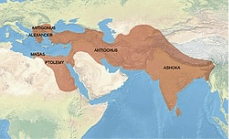
त्याचा पुत्र बिंदुसाराने साम्राज्याचा विस्तार दक्षिणेकडे करत कर्नाटकापर्यंत प्रदेश जिंकले. मौर्यांचे सैन्य अत्यंत संगठित होते – पायदळ, घोडदळ, रथ आणि हत्ती यांच्या साहाय्याने ते त्या काळातील सर्वात बलाढ्य सेना मानली जात होती. साम्राज्याची राजधानी पाटलीपुत्र (आजचे पटना) ही राजकारण, संपत्ती आणि सांस्कृतिक देवाणघेवाणीचे केंद्र बनली.
मौर्य वंशातील सम्राट
चंद्रगुप्त मौर्य (इ.स.पूर्व ३२१–२९७)
मौर्य साम्राज्याचा संस्थापक व शिल्पकार. चाणक्याच्या मार्गदर्शनाखाली त्याने एक सशक्त केंद्रीकृत राज्य उभारले. इ.स.पूर्व ३०५ मध्ये त्याने सिकंदराचा सेनापती सेल्युकस निकेटरचा पराभव करून ग्रीक जगाशी विवाह व राजनैतिक संबंध प्रस्थापित केले. अखेरीस त्याने सिंहासनाचा त्याग करून जैन धर्म स्वीकारला व कर्नाटकातील श्रवणबेलगोळ येथे आपले आयुष्य संपवले.
बिंदुसार (इ.स.पूर्व २९७–२७३)
चंद्रगुप्ताचा पुत्र बिंदुसाराने साम्राज्याचा विस्तार व एकीकरणाची धोरणे कायम ठेवली. ग्रीक इतिहासकार त्याला “अमित्रघात” (शत्रुहंता) असे संबोधतात. त्याने हेल्लेनिस्टिक राज्यांशी चांगले संबंध राखले व भारताच्या बर्याच दक्षिणेकडील भागांवर वर्चस्व प्रस्थापित केले.
सम्राट अशोक (इ.स.पूर्व २७३–२३२)
तिसरा आणि सर्वात प्रसिद्ध मौर्य सम्राट. कारकिर्दीच्या सुरुवातीस त्याने विस्तारवादी युद्धे लढली. इ.स.पूर्व २६१ मधील कलिंग युद्ध त्याच्या जीवनातील निर्णायक क्षण ठरला. युद्धातील प्रचंड रक्तपात व दुःख पाहून त्याने हिंसेचा त्याग करून बौद्ध धर्माचा स्वीकार केला.
अशोकाने धम्म या संकल्पनेचा प्रसार केला, ज्यात अहिंसा, करुणा, सहिष्णुता आणि सर्व प्राण्यांच्या कल्याणाचा विचार होता. त्याने स्तंभ व शिलालेखांवर धम्माचे संदेश कोरून संपूर्ण साम्राज्यात व धर्मदूतांच्या माध्यमातून श्रीलंका, मध्य आशिया व आग्नेय आशियात बौद्ध धर्माचा प्रसार केला.
प्रशासन आणि शासन
मौर्य साम्राज्य त्या काळातील सर्वात सुशासित साम्राज्य होते. अर्थशास्त्र या ग्रंथावर आधारित केंद्रीकृत प्रशासन प्रांत, जिल्हे व गावे अशा स्तरांवर विभागले गेले होते.
राजधानी: पाटलीपुत्र – किल्लेबंद, राजवाडे, बागा व गजबजलेल्या बाजारांनी भरलेले शहर.
मंत्रीपरिषद: सम्राटाला निर्णयप्रक्रियेत मदत करणारी.
प्रांत: राजपुत्र वा विश्वासू अधिकाऱ्यांच्या अधिपत्याखाली.
राजस्व प्रणाली: जमिनीवरील कर हा प्रमुख उत्पन्न स्रोत. करपद्धती व्यवस्थित होती व साम्राज्याच्या कल्याण व संरक्षणासाठी वापरली जात असे.
सैन्य: विशाल स्थायी सेना साम्राज्याच्या सुरक्षेसाठी व विस्तारासाठी तत्पर.
मौर्य प्रशासनाने व्यापार, शेती, सिंचन व पायाभूत सुविधा – रस्ते, धर्मशाळा इत्यादींनाही प्रोत्साहन दिले.
सांस्कृतिक आणि धार्मिक प्रभाव
मौर्य काळ विविध सांस्कृतिक प्रवाहांचे केंद्र होता. हेल्लेनिस्टिक शासकांशी संपर्कामुळे ग्रीक कला व वास्तुकलेचा भारतावर प्रभाव पडला. साहित्य, शिल्पकला व शिक्षणालाही प्रोत्साहन मिळाले.
अशोकाच्या काळात बौद्ध धर्माला राजाश्रय मिळाला आणि तो आशियाभर पसरला. स्तूप, विहार आणि अशोक स्तंभ या काळातील महत्त्वपूर्ण वास्तूशिल्पीय कामगिरी आहेत.
जरी अशोक बौद्ध धर्माचा समर्थक होता तरी त्याने इतर धर्मांनाही समान सन्मान दिला. त्यामुळे जैन धर्म व हिंदू धर्म यांनाही या काळात भरभराट झाली.
मौर्य साम्राज्याचा ऱ्हास
इ.स.पूर्व २३२ मध्ये अशोकाच्या मृत्यूनंतर साम्राज्य दुर्बल झाले. त्याचे उत्तराधिकारी दुर्बल व दूरदृष्टीहीन होते. आंतरिक बंडाळ्या, आर्थिक संकट व अस्थिरता यामुळे साम्राज्य तुकडे तुकडे झाले.
इ.स.पूर्व १८५ मध्ये शेवटचा सम्राट बृहद्रथ याची त्याचा सेनापती पुष्यमित्र शुंगाने हत्या केली व शुंग वंशाची स्थापना झाली.
मौर्य वंशाचा वारसा
मौर्य साम्राज्याने दीर्घकालीन प्रभाव सोडला:
1. राजकीय एकता: प्रथमच भारताचा बहुतांश भाग एका साम्राज्याखाली आला.
2. प्रशासकीय चौकट: मौर्यांचे प्रशासन पुढील राजवटींसाठी आदर्श ठरले.
3. बौद्ध धर्माचा प्रसार: अशोकामुळे बौद्ध धर्म जागतिक धर्म बनला.
4. कला व वास्तुकला: स्तूप, स्तंभ व शिल्प आजही भारतीय वारशाचे प्रतीक आहेत.
5. शांतीची तत्त्वे: अशोकाचा धम्म नैतिक मूल्ये, करुणा व सहिष्णुतेवर आधारित होता.
सारांश
मौर्य वंश भारतीय इतिहासातील एक सुवर्णकाळ मानला जातो. चंद्रगुप्त व चाणक्याच्या दूरदृष्टीमुळे साम्राज्याची स्थापना झाली, बिंदुसाराने त्याचा विस्तार केला व अशोकाने त्याला नैतिक व तत्त्वज्ञानिक शिखरावर पोहोचवले. जरी अशोकानंतर साम्राज्याचा ऱ्हास झाला तरी एकता, प्रशासन, बौद्ध तत्त्वज्ञान व भव्य वास्तुकला हा मौर्यांचा वारसा आजही जिवंत आहे.
मौर्य साम्राज्य हे फक्त राजकीय साम्राज्य नव्हते, तर शासनकला, संस्कृती व नैतिक मूल्यांचे दीपस्तंभ होते. भारतीय इतिहासाच्या महानतेचे ते चिरस्थायी प्रतीक राहिले आहे.
मौर्य काळावर आधारीत प्रश्नमंजुषा (Quiz)
Mauryan Empire: A Glorious Chapter in Indian History
The Maurya Dynasty holds a remarkable place in Indian and world history as one of the largest and most influential empires of ancient times. Founded by Chandragupta Maurya in 321 BCE, the dynasty flourished for nearly 137 years, leaving behind a political, administrative, and cultural legacy that shaped the course of the subcontinent. At its zenith under Emperor Ashoka, the Mauryan Empire stretched across most of South Asia, symbolizing unity, power, and governance. Beyond conquest, it also sowed the seeds of peace, tolerance, and Buddhism, which spread across Asia and influenced generations.
Origins and Rise of the Maurya Dynasty
The Maurya Dynasty emerged during a time of political instability in India following the decline of the Nanda Dynasty of Magadha. Chandragupta Maurya, with the guidance of his astute mentor and strategist Chanakya (also known as Kautilya or Vishnugupta), overthrew the Nandas and established the Mauryan Empire in 321 BCE.
Chanakya’s political treatise, the Arthashastra, became the guiding framework for the empire, focusing on statecraft, administration, taxation, military strategy, and diplomacy. Under Chandragupta’s leadership, the Mauryas expanded their territory through wars and alliances, defeating Alexander’s successors (the Seleucids) in the northwest and consolidating control over much of northern India
Expansion of the Empire
The Maurya Empire was the first to unify almost the entire Indian subcontinent under a single rule. Chandragupta’s empire extended from present-day Afghanistan and Pakistan in the northwest to Bengal in the east, and as far south as the Deccan Plateau.
His successor, Bindusara, further expanded the empire to the southern regions, subduing territories up to Karnataka. Tlhe Mauryan military was highly organized, boasting infantry, cavalry, chariots, and war elephants, making it one of the strongest forces of its time. The empire’s central capital at Pataliputra (modern-day Patna) became a hub of political activity, wealth, and cultural exchange.
The Emperors of the Maurya Dynasty
Chandragupta Maurya (321–297 BCE)
Chandragupta was the founder and architect of the Maurya Empire. Trained under Chanakya, he built a strong centralized state with efficient governance. After securing the throne of Magadha, he defeated Seleucus I Nicator, a general of Alexander the Great, in 305 BCE, establishing marital and diplomatic ties with the Hellenistic world. His reign laid the foundation for one of the greatest empires in Indian history. Later, Chandragupta abdicated his throne, embraced Jainism, and spent his final years in Shravanabelagola in present-day Karnataka.
Bindusara (297–273 BCE)
The son of Chandragupta, Bindusara, continued his father’s policies of expansion and consolidation. Greek sources refer to him as “Amitraghata” (slayer of enemies). He maintained friendly relations with foreign rulers, including the Hellenistic kingdoms, and brought much of peninsular India under Mauryan control, except for the far southernmost parts.
Ashoka the Great (273–232 BCE)
Ashoka, the third and most celebrated Mauryan emperor, initially followed in the footsteps of his predecessors by waging wars of expansion. His conquest of Kalinga (modern Odisha) in 261 BCE, however, proved to be a turning point. The immense bloodshed and suffering during the war deeply moved Ashoka, leading him to renounce violence and embrace Buddhism.
Ashoka’s reign is renowned for the propagation of Buddhist philosophy, ethics, and values. He promoted Dhamma (righteous living), emphasizing non-violence, compassion, tolerance, and welfare of all beings. Through his famous edicts inscribed on pillars and rocks across the empire, Ashoka spread messages of peace, morality, and religious harmony. His efforts also helped spread Buddhism beyond India to Sri Lanka, Central Asia, and Southeast Asia, making it a global religion.
Administration and Governance
The Mauryan Empire was one of the best-administered empires of its time. The centralized administration, based on the Arthashastra, was divided into provinces, districts, and villages.
Capital: Pataliputra, a fortified city with palaces, gardens, and bustling marketplaces.
Council of Ministers: Assisted the emperor in decision-making.
Provinces: Governed by royal princes or trusted officials.
Revenue System: Land revenue was the main source of income. Taxes were collected systematically and used for the empire’s welfare and defense.
Military Strength: A massive standing army ensured the empire’s security and expansion.
The Mauryan administration also promoted trade, agriculture, irrigation, and infrastructure, including roads and rest houses for travelers.
Cultural and Religious Influence
The Mauryan Dynasty was a melting pot of cultural influences. Contact with Hellenistic rulers introduced Greek art and architecture into India, while internal patronage encouraged literature, sculpture, and learning.
Under Ashoka, Buddhism received royal patronage and spread across Asia. The construction of stupas, monasteries, and pillars marked a significant architectural achievement. Ashoka’s pillars, inscribed with edicts, stand today as symbols of governance and moral philosophy.
Although Ashoka championed Buddhism, he respected other religions, encouraging coexistence. Jainism and Hinduism also continued to thrive under Mauryan rule.
Decline of the Maurya Dynasty
After Ashoka’s death in 232 BCE, the Maurya Empire began to weaken. His successors lacked the vision and authority to maintain control over such a vast empire. Internal revolts, weak rulers, and economic decline led to fragmentation.
The last Mauryan ruler, Brihadratha, was assassinated in 185 BCE by his general Pushyamitra Shunga, marking the end of the dynasty and the rise of the Shunga Dynasty.
Legacy of the Mauryan Dynasty
The Maurya Dynasty left a profound and lasting legacy:
1. Political Unity: It was the first empire to unify most of India under one rule.
2. Administrative Framework: The Mauryan system of governance influenced later kingdoms.
3. Spread of Buddhism: Ashoka’s promotion of Buddhism made it a world religion, shaping cultures in Sri Lanka, Southeast Asia, Central Asia, and beyond.
4. Architecture and Art: Stupas, pillars, and sculptures remain iconic symbols of Indian heritage.
5. Philosophy of Peace: Ashoka’s Dhamma emphasized moral values, compassion, and tolerance, inspiring future generations.
Summary
The Maurya Dynasty represents a golden era in ancient Indian history, combining political might with cultural and spiritual growth. Founded by Chandragupta Maurya with the brilliance of Chanakya, it grew into a vast empire under Bindusara and reached its moral and philosophical zenith under Ashoka the Great. While its decline came soon after Ashoka’s reign, the legacy of the Mauryas—unity, administration, Buddhist philosophy, and monumental architecture—continues to shape India’s identity and global influence.
The Maurya Dynasty was not just a political empire but a beacon of governance, culture, and ethical values. It remains an enduring symbol of India’s historical greatness.


 Incredible Heritage
Leave a comment