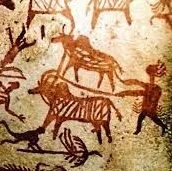

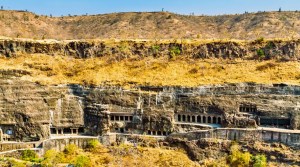
अजिंठा लेणी प्रामुख्याने चित्रकलेसाठी प्रसिद्ध पर्यटन स्थळ आहे. येथील चित्रकलेवर बौद्ध धर्माचा प्रभाव आहे; असे असले तरी कलाकारांनी मानवी जीवनातील इतर अंगांचाही चित्रकलेमध्ये समावेश केला आहे. विशेषतः गौतम बुद्धाचे विविध रूपातील चित्रण या लेण्यांमध्ये पहावयास मिळते.मानवी भावनांच्या अभिव्यक्तीचे एक साधन म्हणून प्राचीन भारतातील कलाकारांनी चित्रकलेचा उपयोग केला. भाषेचा विकास होण्यापूर्वी मानव सर्वप्रथम चित्रकलेकडे वळला असावा. मानवी जीवनात कलेचा अविष्कार चित्रकलेच्या स्वरूपात झाला असावा. युनेस्कोने जागतिक वारसा स्थळ म्हणून मान्यता दिल्यामुळे देश विदेशातील पर्यटक मोठ्या प्रमाणात अजिंठा येथे भेट देतात.शैल चित्रकलेची वैशिष्ट्ये,अजिंठा चित्रकलेचे तंत्र व पद्धत आणि वेगळेपण उल्लेखनीय आहेत.अजिंठा लेणी समूह औरंगाबाद जिल्ह्यात आहे.
अजिंठा चित्रशैली
विविध सौंदर्य कृतींचे चित्रण हे अजिंठा चित्रकलेचे वैशिष्ट्य आहे .अजिंठा येथील चित्रे सफाईदार रेषा आणि डौलदार आकृती तसेच लालित्य दाखविण्याचा अतिरेक यामुळे काही चित्रे निर्जीव असल्यासारखे दिसतात. अजिंठा चित्रामध्ये फारसे निसर्ग चित्र आढळत नाही. राजवाड्यातील विलासी जीवन मोठ्या प्रमाणात दाखवलेले आहे. याला गुंफा क्रमांक सात 17 मधील काही जातक कथा अपवाद आहेत. अजिंठा येथील चित्रकला विशिष्ट संकेतांनी बद्ध आहे. येथील चित्रकारांनी चित्रकलेचे काही आराखडे निश्चित केले होते. त्याला अनुसरून त्यांनी चित्रे काढलेली आहेत. उदाहरणार्थ एखाद्या व्यक्तीचे मोठेपण दाखविण्यासाठी त्याच्या भोवतीच्या आकृती लहान आकारांच्या दाखवले आहेत. अजिंठा येथील चित्रकलेत अनेक कथांची मालिका दाखवलेली आहे. यातील प्रसंग सादर करताना त्यामध्ये कोणताच क्रम बद्धता नाही.त्यामुळे ही चित्रे एकमेकांमध्ये मिसळल्या सारखी दिसतात .अजिंठा येथील चित्रकला प्राचीन भारतातील एक वैशिष्ट्यपूर्ण चित्रशैली म्हणून ओळखली जाते. येथील चित्रांमध्ये विविध कथा प्रसंग, चित्रातील सौंदर्य, लालित्य, रंग संगती यामुळे या चित्रांना जागतिक कीर्ती प्राप्त झाली आहे. युनेस्कोने जागतिक वारसा स्थळ म्हणून अजिंठा चित्रकलेला मान्यता दिलेली आहे.
अजिंठा चित्रकलेचा विकास
अजिंठा यथील चित्रकाम इ.स.पूर्व २रे शतक ते इ.स.च ५वे शतक या कालावधीमध्ये करण्यात आले आहे.अजिंठा येथील क्रमांक १०,९,६,१६,१७,१ व २ या लेण्यांमध्येच चित्रकाम शिल्लक आहे.येथील सर्व चित्रे लेण्यांच्या भिंतीवर व छतावर चितारलेली आहेत. अजिंठा लेण्यांमधील चित्रकलेचा हा समृद्ध वारसा जतन करण्याचे काम निरंतर चालू आहे. प्राचीन चित्रकलेचा अभ्यास करण्यासाठी ऋग्वेद, रामायण ,महाभारत तसेच कालिदास ,भास, बाणभट्ट इत्यादी कवी व लेखकांच्या साहित्यातून चित्रकलेचे उल्लेख आढळतात. बौद्ध व जैन ग्रंथांमध्येही चित्रकलेचे उल्लेख आले आहेत. भारतीय चित्रकला रूप, भेद, प्रमाण, भाव, लावण्य, सादृश्य, वर्णिकाभंग इत्यादी सहा तत्त्वांवर आधारित आहे.
फ्रेस्को पद्धतीचा वापर
लेणीच्या आतील दगडी भिंत तासून सपाट केली जाते.त्यानंतर भिंतीवर चिकन माती, शेण, गवत आणि तांदळाचा कोंडा यांचे मिश्रण करून त्याचे लेपन केले जात असे. हा लेप ओलसर असताना त्यावर चुन्याचा हात देत असत. या पांढर्या शुभ्र पार्श्वभूमीवर चित्रे रेखाटलेली आहेत. येथील चित्रांची बाह्य रेषा ठळक व स्पष्ट दाखवण्याची पद्धत होती. अजिंठा येथील चित्रांमध्ये विविध वस्तू व व्यक्ती यांच्यातील फरक दाखविण्यासाठी स्पष्ट रेखा कृतींचा वापर केलेला आहे. अजिंठा येथील चित्रे जलरंगात रंगवली आहेत. हे रंग दीर्घकाळ टिकावेत यासाठी डिंकाचा वापर केलेला आहे. या पद्धतीला फ्रेस्को पद्धती ची चित्रकला म्हणतात. अचूक रेखाटन व जलद चित्रकाम ही या शैलीची वैशिष्ट्ये आहेत.१५०० वर्षांनंतरही यथील चित्रकाम अजूनही ताजेपणाने टिकून आहे. देश विदेशातील संशोधक अजिंठा येथील चित्रकलेचे तंत्र व पद्धत यांचा अभ्यास करण्यासाठी येतात.
बौद्ध तत्त्वज्ञानाशी एकरूपता
विषयाच्या अनुरोधाने अजिंठा चित्रकलेचे अलंकारिक, वर्णनात्मक व रूपकात्मक असे तीन भाग पडतात. चित्रातील मुख्य पात्राचे महत्व वाढवण्यासाठी यक्ष, गंधर्व ,अप्सरा ,किन्नर ,राक्षस ,गरुड व पशुपक्षी यांची चित्रे रेखाटलेली आहेत .अलंकारिक चित्राबरोबरच गुंफेच्या छतावर भौमितिक नक्षी कामांचा सहभाग मोठा आहे. दुसऱ्या विभागात प्रामुख्याने गौतम बुद्धाच्या जीवना संबंधीच्या वर्णनात्मक जातक कथांच्या आधारे चित्रे रेखाटलेली आहेत. यात सीबी जातक, शरभ जातक, ब्राम्हण जातक वगैरे अनेक जातक कथा दाखवले आहेत. तिसऱ्या विभागात गौतम बुद्ध, बोधिसत्व ,राजा राणी इत्यादी चित्रां शिवाय गौतम बुद्धाची अभय मुद्रा, धम्मचक्र मुद्रा ,भूमीस्पर्श मुद्रा, वरद मुद्रा इत्यादी अवस्थेतील चित्रे आहेत. ही सर्व चित्रे चित्रकलेच्या दृष्टीने असामान्य ,अप्रतिम आणि अद्वितीय आहेत.
अजिंठा चित्रकलेतील विविधता
विशेषतः गौतम बुद्धाचे विविध रूपातील चित्रण या लेण्यांमध्ये पहावयास मिळते. या शिवाय समाज जीवनातील विविध प्रसंग उदाहरणार्थ युद्ध करीत असलेले सैनिक, मासे पकडणारे कोळी, शिकार करणारे शिकारी, ग्रामीण समाज जीवन इत्यादी अनेक प्रसंग चित्रातून दाखवण्याचा प्रयत्न कलाकारांनी केला आहे. अजिंठा येथील चित्रांमध्ये प्रेम,हर्ष,लज्जा, हास्य, भय, क्रोध, विरक्ती आणि उत्साह इत्यादी मानवी भावभावना अतिशय प्रभावीपणे चित्रित केलेल्या आहेत.
पद्मपाणी बोधिसत्व (व्यक्तीचित्र )-अजिंठा येथील पहिल्या क्रमांकाच्या लेणी मधील पदमपाणी बोधिसत्वाची कलाकृती अजोड आहे. त्याची शरीरयष्टी एखाद्या शिल्पा प्रमाणे आहे. रुंद व भरदार खांदे व खाली निमुळते होत जाणारे शरीर तसेच त्याचा उभ्या राहण्यातला डौल चित्रकाराने मोठ्या कौशल्याने रंगवला आहे. त्याच्या डोक्यावर मुकुट आहे. अंगावर मोजकेच अलंकार आहेत. चेहऱ्यावर अत्यंत प्रसन्न भाव आहेत. त्यामुळे अजिंठा येथील एक श्रेष्ठ कलाकृती म्हणून हे चित्र ओळखले जाते.
बौद्ध जातक कथा –अजिंठा येथील लेणी क्रमांक एक मध्ये नागदंपत्तीचे एक सुंदर चित्र आहे. राजवाड्यातील अंत:पुरातील एक सजवलेल्या आसनावर राजपुरुष बसला आहे .त्याच्या शेजारी त्याची राणी बसली आहे. राजाच्या डोक्यावर सात फण्यांचा नाग व राणीच्या डोक्यावर एक नागमणी आहे. याच गुंफेमध्ये राजवाड्यातील इतरही राजपुरुष व स्त्रियांची चित्रे रेखाटलेली आहेत. याशिवाय महाजन जातक व शीबी जातक ही चित्रे अतिशय सुंदर आहेत.
गौतम बुद्धांच्या जीवनातील प्रसंगचित्रे – लेणी क्रमांक 16 मध्ये गौतम बुद्धांच्या जीवनातील प्रसंग चित्रित केलेले आहेत. त्यामध्ये गौतम बुद्धाची आई मायादेवी. हिला पडलेले स्वप्न ,सिद्धार्थचा जन्म ,भविष्यकथन ,बाल गौतमाचे शिक्षण ,गौतमाने पाहिलेली चार दृश्य, गौतमाचा राज्यत्याग, सारनाथ येथील प्रवचन तसेच गौतमाच्या दर्शनास आलेल्या राजांचे चित्र इत्यादी कथा अत्यंत सुंदर रित्या चित्रित केलेल्या आहेत.
राजवाड्यातील जीवन – अजिंठा लेणी क्रमांक 17 म्हणजे एक विहार आहे. डावीकडील भिंतीवर एक भव्य चक्र चितारलेले आहे. त्या चक्रामध्ये ग्रामीण ,शहरी तसेच राजवाड्यातील जीवनातील चित्रे दाखवलेली आहेत. त्यामध्ये शेतकऱ्यांची घरे, त्यांचे साधे जीवन, शहरी जीवनातील रंगढंग, राजप्रासाद,आतील विविध प्रसंग यांचे चित्रण केलेले आहे. याशिवाय दूर वनामध्ये शांत ठिकाणी आत्मचिंतन करणारे भिक्खू दाखवले आहेत. या गुंफेतील वैशिष्ट्यपूर्ण चित्रे अंतराळात रेखाटलेली आहेत. गौतम बुद्ध त्यांचा पुत्र राहुल यांच्या भेटीचे चित्र-त्यामध्ये भिक्षा मागण्यासाठी हातात भिक्षापात्र घेऊन गौतम बुद्ध घरा बाहेर उभा आहे आणि त्याची पत्नी यशोधरा लहान राहुलला घेऊन त्याठिकाणी येते .त्यावेळी राहुल आपल्या पित्याची याचना करीत आहे. या चित्रामध्ये तिघांच्या चेहऱ्यावरील भावदर्शन अवर्णनीय आहे. याशिवाय या गुंफेतील गौतमाला वंदन करीत असलेले गंधर्व व अप्सरा यांचे चित्रही अतिशय सुंदर आहे .याच गुंफेतील स्वर्गामधून गौतम बुद्धाला भेटण्यासाठी इंद्र देवता आपल्या अनुयायांसह निघाला आहे असे चित्र आहे .या सर्व चित्रांमधील सौंदर्य रेखाटन व लालित्य अवर्णनीय आहे. याच गुहेमध्ये विश्वांतर जातक कथा रेखाटलेली आहे .यामध्ये एक राजपुत्र आपल्या पत्नीला राज्यातून हद्दपार करतो ही बातमी तिला समजल्यानंतर ती बातमी ऐकून बेशुद्ध पडते .त्यावेळी राजकुमार तिला मद्याचा प्याला देतो .तिच्या पाठीमागे एक दासी हा प्रसंग पाहून चिंतातूर झाली आहे. या संपूर्ण चित्रातील भावदर्शन आणि त्या चित्रातील सर्व व्यक्तींचा एकत्रित परिणाम अप्रतिम आहे.
अजिंठा लेण्यांमधील बौद्ध शिल्पकला : एक कालातीत कलानुभव
महाराष्ट्रातील सह्याद्री पर्वतरांगेत वसलेल्या अजिंठा लेणी या युनेस्कोच्या जागतिक वारसा यादीत समाविष्ट आहेत. इ.स. पूर्व दुसऱ्या शतकापासून ते इ.स. सहाव्या शतकापर्यंत कोरण्यात आलेल्या या लेण्या त्यांच्या अद्वितीय चित्रकलेसह भव्य बौद्ध शिल्पकलेसाठीही प्रसिद्ध आहेत. या शिल्पांमध्ये भगवान बुद्धांचे जीवन व तत्त्वज्ञान यांचे अप्रतिम दर्शन घडते.
अजिंठा येथील शिल्पे प्रामुख्याने हीनयान व महायान बौद्ध परंपरांशी संबंधित आहेत. हीनयान काळातील शिल्पांमध्ये बुद्ध प्रत्यक्ष दाखवले नसून त्याऐवजी स्तूप, पदचिन्हे, व धर्मचक्र यांसारख्या प्रतीकांचा वापर केलेला आहे. मात्र महायान परंपरेतील शिल्पांमध्ये बुद्धांच्या मानवी रूपातील मूर्ती अधिक प्रमाणात दिसतात—भोवती बोधिसत्त्व, देवता व अनुयायी यांच्यासह.
या मूर्ती सौंदर्य, शांती व आध्यात्मिकता यांचे अद्वितीय दर्शन घडवतात. ध्यानस्थ किंवा उभ्या स्थितीत असलेल्या बुद्ध मूर्तींमधून त्यांच्या हावभावांतून (मुद्रा) व शांत चेहऱ्यावरून गहिरं अध्यात्म जाणवतं. गुंफा क्रमांक २६ मधील “महापरिनिर्वाण” दर्शवणारी झोपलेल्या बुद्धाची मूर्ती विशेष प्रसिद्ध आहे. तिच्यातील शांतता व समाधानी भाव मनाला स्पर्शून जातात.
या sculptures मध्ये जातककथांचे सुद्धा सुंदर शिल्परूप आढळते, ज्यातून नैतिकता व बौद्ध तत्त्वज्ञान समजते. हजारो वर्षांपूर्वी घडवलेल्या या शिल्पांमध्ये आजही त्यांच्या सौंदर्याची झलक पाहायला मिळते.
अजिंठा लेणीतील चैत्यगृह आणि विहार : प्राचीन बौद्ध वास्तुकलेचे प्रतिक
महाराष्ट्रातील अजिंठा लेणी या युनेस्कोच्या जागतिक वारसा स्थळात बौद्ध धर्माच्या उत्कृष्ट शिल्पकला, भित्तीचित्रे आणि खोदकामाचा अद्वितीय संगम दिसतो. यातील चैत्यगृह (प्रार्थना स्थळे) आणि विहार (भिक्षूंची निवासस्थाने) ही वास्तुकलात्मक वैशिष्ट्ये विशेष महत्त्वाची मानली जातात. या लेणी २ रा शतक इ.स.पूर्व ते ६ वे शतक इ.स. या काळातील आहेत.
चैत्यगृह, जसे की लेण क्रमांक ९ आणि १९, ही पूजा करण्यासाठी बांधलेली असून त्यामध्ये एका टोकाला स्तूप असतो. भक्तगण स्तूपाभोवती प्रदक्षिणा घालतात. यातील घोड्याच्या नालासारखी कमानी, उंच छत आणि नैसर्गिक प्रकाश देणारी खिडकी, अध्यात्मिक शांतता निर्माण करतात.
विहार, जसे की लेण क्रमांक १ आणि २, हे भिक्षूंचे निवासस्थान होते. यामध्ये चौकोनी मध्यभाग आणि त्याभोवती भिक्षूंच्या खोल्या असतात. भित्तीचित्रे, जटाकथा व बुद्धचरित्र यांचे सुरेख चित्रण या ठिकाणी आढळते.
अजिंठ्याची ही चैत्यविहार परंपरा बौद्ध धर्माच्या धार्मिकता व कलात्मकतेचे जिवंत उदाहरण असून, ती भारताच्या सांस्कृतिक वैभवाचा अमूल्य ठेवा आहे.
सारांश
महाराष्ट्रातील अजिंठा गुंफा भारताच्या प्राचीन कलात्मक आणि धार्मिक परंपरेचे अद्वितीय प्रतीक आहेत. इ.स.पूर्व दुसऱ्या शतकापासून इ.स. सहाव्या शतकापर्यंत खोदलेल्या या ३० खडकात कोरलेल्या गुंफा बुद्ध भिक्षूंसाठी निवासस्थान (विहार) आणि प्रार्थनास्थळे (चैत्य) म्हणून वापरल्या जात होत्या. सह्याद्रीच्या शांत डोंगररांगेत वसलेल्या या गुंफा युनेस्कोच्या जागतिक वारसा स्थळ म्हणून घोषित करण्यात आल्या आहेत.
अजिंठ्याची चित्रे ही कोरड्या भिंतीवर नैसर्गिक रंगांनी रंगवलेली असून, ती प्राचीन भारतीय चित्रकलेचे उत्कृष्ट उदाहरण मानली जातात. या चित्रांमध्ये जातककथांतील प्रसंग, बुद्धाचे पूर्वजन्म, राजदरबार, सामान्य जीवन, भावना आणि दैवी दृश्ये यांचे जिवंत आणि भावस्पर्शी चित्रण आढळते. या चित्रांमधील नजाकत, सूक्ष्म भाव आणि रंगछटा खूपच प्रभावी आहेत.
अजिंठ्याची शिल्पकला देखील तितकीच अद्वितीय आहे. ध्यानस्थ आणि उपदेश देणाऱ्या बुद्धाच्या मूर्ती, बोधिसत्त्व, देवदूत व इतर धार्मिक प्रतीकांच्या सुबक कोरीव मूर्ती येथे आढळतात. यामध्ये धार्मिक श्रद्धा आणि कलात्मक कौशल्य यांचा सुंदर मिलाफ पाहायला मिळतो.
येथील चैत्यगृहांना घुमटाकार छत व पूजेसाठी स्तूप असतो, तर विहारांमध्ये भिक्षूंसाठी निवास, ध्यान व चर्चेसाठी मध्यभागी प्रशस्त हॉल असतो.चित्रकला, शिल्पकला आणि वास्तुकला यांचा संगम असलेले अजिंठा हे जागतिक वारसा आणि आध्यात्मिक प्रेरणेचे भव्य केंद्र आहे.
Ajanta Caves: A rich heritage of paintings,sculptures and architecture
Ajanta Caves is a famous tourist destination mainly for its paintings. The painting here is influenced by Buddhism; However, artists have included other parts of human life in painting. Especially Gautama Buddha in various forms can be seen in these caves. Painting was used by the artists of ancient India as a means of expressing human emotions. Before the development of language, humans may have first turned to painting. Art may have been invented in human life in the form of painting. Ajantha is recognized as a world heritage site by many tourists from home and abroad. The features of rock painting, technique and method of Ajanta painting are remarkable. Ajanta cave group is located in Aurangabad district.
Ajanta painting style
Depictions of various beauty acts are a hallmark of Ajanta painting.The paintings at Ajanta are characterized by clean lines and graceful figures, as well as an excess of elegance, making some paintings appear lifeless. There is not much nature in Ajanta painting. The luxurious life in the palace is shown in abundance. Exceptions to this are some Jataka stories in cave number seven 17. The painting at Ajanta is bound with certain allusions. The painters here had fixed some designs of paintings. He has drawn pictures accordingly. For example, figures around a person are shown in smaller sizes to show their stature. A series of stories are depicted in the paintings at Ajanta. There is no sequence in presenting the scenes. Therefore, these paintings look like they are mixed with each other. The painting of Ajanta is known as a typical painting style of ancient India. These pictures have gained world fame due to the various story scenes, beauty, elegance, color harmony in the pictures. UNESCO has recognized Ajanta Chitrakala as a World Heritage Site.
Development of Ajanta Painting
Paintings at Ajanta have been done in the period from 2nd century BC to 5th century AD. Paintings are left only in caves number 10, 9, 6, 16, 17, 1 and 2 at Ajanta. All the paintings here are of the caves. There are paintings on the walls and ceiling. The work to preserve this rich heritage of painting in the Ajanta Caves is ongoing. In order to study ancient painting, mentions of painting are found in the literature of Rigveda, Ramayana, Mahabharata as well as poets and writers like Kalidas, Bhasa, Banabhatt etc. Painting is also mentioned in Buddhist and Jain texts. Indian painting is based on the six principles of form, contrast, proportion, expression, contrast, analogy, chromatic aberration etc.
Using the Fresco method
The stone wall inside the cave was leveled for hours. Then the wall was coated with a mixture of chicken soil, dung, grass and rice bran. When this coating was moist, a hand of lime was applied over it. The pictures are drawn on this white background. Here the outline of the pictures was bold and clear. The paintings at Ajanta use clear line work to show the difference between various objects and persons. The paintings at Ajanta are painted in water colors. Gum is used to make these colors last longer. This method is called fresco method of painting. Accurate sketching and rapid painting are the hallmarks of this style. Even after 1500 years, the painting still retains its freshness. Researchers from all over the country come to study the techniques and methods of painting at Ajanta.
Alignment with Buddhist philosophy
According to the request of the subject, Ajanta painting falls into three parts namely figurative, descriptive and allegorical. Pictures of Yaksha, Gandharva, Apsara, Kinnar, Rakshasa, Eagle and Pashupakshi are drawn to increase the importance of the main character in the picture. Along with the figurative picture, there is a large participation of geometric carvings on the ceiling of the cave. In the second section, illustrations are mainly based on descriptive Jataka stories related to the life of Gautama Buddha. It shows many Jataka stories like CB Jataka, Sharabh Jataka, Brahmin Jataka etc. In the third section, apart from the pictures of Gautama Buddha, Bodhisattva, King Queen etc., there are pictures of Gautama Buddha in Abhaya mudra, Dhammachakra mudra, Bhumisparsha mudra, Varada mudra etc. All these pictures are unusual, wonderful and unique in terms of painting.
Diversity in Ajanta Cave Paintings
In particular, various depictions of Gautama Buddha can be seen in these caves. Apart from this, the artists have tried to show various events in the social life, for example, soldiers fighting, spiders catching fish, hunters hunting, rural social life etc. The paintings at Ajanta depict human emotions like love, joy, shame, laughter, fear, anger, disgust and enthusiasm very effectively.
Padmapani Bodhisattva (Portrait) – The sculpture of Padmapani Bodhisattva in Cave No. 1 at Ajanta is unmatched. His body is like a sculpture. The painter has painted with great skill the broad and broad shoulders and the body tapering down, as well as his standing posture. He has a crown on his head. There are few ornaments on the body. There is a very happy expression on the face. Therefore, this painting is known as one of the best works of art at Ajanta.
Buddhist Jataka Katha –Ajanta Cave No. 1 has a beautiful painting of Nagadampatti. The king sits on a decorated seat in the interior of the palace, with his queen sitting next to him. On the king’s head there is a seven-bladed serpent and on the head of the queen is a serpent. In this cave, the portraits of other royal men and women of the palace are also drawn. Apart from this, the pictures of Mahajan Jatak and Shibi Jatak are very beautiful.
Scenes from the Life of Gautama Buddha – Ajanta Cave No. 16 depicts scenes from the life of Gautama Buddha. Gautama Buddha’s mother Mayadevi in it. Her dream, Siddhartha’s birth, fortune-telling, child Gautama’s education, Gautama’s four visions, Gautama’s abdication, discourse at Sarnath and the portraits of the kings who visited Gautama are beautifully depicted in the Ajanta Caves.
Life in the palace – Ajanta Cave No. 17 is a vihara. A magnificent chakra is painted on the left wall. In that cycle, pictures of rural, urban and palace life are shown. It depicts the houses of farmers, their simple life, the scenery of urban life, the palace, various events inside. In addition, monks are shown introspective in a quiet place in a distant forest. The characteristic paintings in these caves are drawn in space. Picture of Gautama Buddha meeting his son Rahul – In it, Gautama Buddha is standing outside the house with an alms bowl in his hand to ask for alms, and his wife Yashodhara comes there with little Rahul. At that time, Rahul is begging his father. The expression on the faces of the three in this picture is indescribable. Apart from this, the picture of Gandharva and Apsara saluting Gautama in this cave is also very beautiful. In this cave there is a picture of Lord Indra with his followers leaving heaven to meet Gautama Buddha. The beauty and elegance of all these pictures is indescribable. It is in this cave that the Viswantar Jataka story is drawn. In it, a prince banishes his wife from the kingdom and she faints after hearing the news. At that time, the prince gives her a cup of wine. Behind her, a maidservant is worried about this incident. The emotion throughout this picture and the combined effect of all the characters in it is amazing.
Buddhist Sculptures at Ajanta Caves: A Timeless Art Experience
The Ajanta Caves, located in the Sahyadri mountain range of Maharashtra, are a UNESCO World Heritage Site. Carved from the 2nd century BC to the 6th century AD, these caves are famous for their unique paintings and magnificent Buddhist sculptures. These sculptures offer a unique glimpse into the life and philosophy of Lord Buddha.
The sculptures at Ajanta are mainly associated with the Hinayana and Mahayana Buddhist traditions. The sculptures of the Hinayana period do not show the Buddha directly, but instead use symbols such as stupas, footprints, and the Dharmachakra. However, the sculptures of the Mahayana tradition show the Buddha in human form more often—surrounded by bodhisattvas, deities, and followers.
These sculptures create a unique vision of beauty, peace, and spirituality. The Buddha statues in meditative or standing positions convey deep spirituality through their gestures (mudra) and calm faces. The statue of the sleeping Buddha in Cave No. 26, depicting the “Mahaparinirvana”, is particularly famous. Its peaceful and contented expression touches the heart.
These sculptures also feature beautiful sculptures of Jataka stories, which convey morals and Buddhist philosophy. Even today, these sculptures, made thousands of years ago, still retain their beauty.
Ajanta Chaityas and Viharas: Symbols of Ancient Buddhist Architecture
The UNESCO World Heritage Site of Ajanta Caves in Maharashtra, a unique blend of Buddhist sculpture, frescoes and carvings, is home to a unique blend of Buddhist art. The architectural features of the caves are the chaityas (prayer halls) and viharas (monks’ quarters). These caves date from the 2nd century BCE to the 6th century CE.
Chaityas, such as Caves 9 and 19, are built for worship and have a stupa at one end. Devotees circumambulate the stupa. Their horseshoe arches, high ceilings and windows that let in natural light create a sense of spiritual peace.
Viharas, such as Caves 1 and 2, were the residences of monks. They have a square central area with monks’ quarters around it. Beautiful depictions of murals, Jatakatha and the Buddha’s life are found here.
This Chaityavihara tradition of Ajanta is a living example of the piety and artistry of Buddhism, and is a priceless treasure of India’s cultural splendor.
Summary
The Ajanta Caves in Maharashtra are a unique symbol of India’s ancient artistic and religious tradition. Excavated from the 2nd century BC to the 6th century AD, these 30 rock-cut caves were used as residences (viharas) and prayer halls (chaityas) for Buddhist monks. Nestled in the serene Sahyadri mountain range, these caves have been declared a UNESCO World Heritage Site.
The Ajanta paintings, painted with natural colours on dry stone walls, are considered to be excellent examples of ancient Indian painting. These paintings depict scenes from Jataka stories, previous incarnations of the Buddha, the royal court, ordinary life, emotions and divine scenes in a vivid and moving manner. The delicacy, subtlety and colouring in these paintings are very impressive.
The sculpture of Ajanta is equally unique. The statues of the meditating and preaching Buddha, as well as the intricate carvings of Bodhisattvas, angels and other religious symbols are found here. They show a beautiful blend of religious faith and artistic skill.
The chaityas here have domed roofs and stupas for worship, while the viharas have spacious central halls for monks to live in, meditate and discuss. Ajanta, a confluence of painting, sculpture and architecture, is a world heritage site and a magnificent centre of spiritual inspiration.


 Incredible Heritage
Leave a comment