
संग्रहालये ही मानवाच्या सांस्कृतिक, ऐतिहासिक, कलात्मक आणि वैज्ञानिक वारशाचे जतन करणारी महत्त्वपूर्ण संस्था आहेत. ऐतिहासिक आणि सांस्कृतिक दृष्ट्या महत्त्वपूर्ण वस्तूंचे संकलन, संवर्धन, संशोधन आणि प्रदर्शन करून लोकांना शिक्षण व ज्ञान प्रदान करण्याचे कार्य संग्रहालये करतात. आधुनिक काळात संग्रहालये केवळ ज्ञान आणि संशोधनाची केंद्रे नसून पर्यटनाचे प्रमुख आकर्षण म्हणूनही विकसित झाली आहेत. संग्रहालये आणि पर्यटन विकास यांचा परस्परसंबंध दिवसेंदिवस अधिक दृढ होत असून पर्यटन उद्योगात संग्रहालयांचे महत्त्व मोठ्या प्रमाणात वाढले आहे.
पर्यटन हा जगातील सर्वात वेगाने वाढणाऱ्या उद्योगांपैकी एक असून तो आर्थिक विकास, रोजगारनिर्मिती आणि सांस्कृतिक देवाणघेवाण यांना चालना देतो. पर्यटनासाठी लोक विविध ठिकाणी प्रवास करतात; त्यामध्ये संग्रहालये विशेष आकर्षण ठरतात, कारण ती एखाद्या प्रदेशाचा इतिहास, संस्कृती, परंपरा आणि ओळख समजून घेण्याची संधी देतात. पर्यटक एखाद्या देशाची किंवा प्रदेशाची सांस्कृतिक समृद्धी अनुभवण्यासाठी संग्रहालयांना भेट देतात. त्यामुळे संग्रहालये ही सांस्कृतिक पर्यटनाची महत्त्वाची केंद्रे बनली असून दरवर्षी लाखो देशांतर्गत आणि आंतरराष्ट्रीय पर्यटक त्यांना भेट देतात.
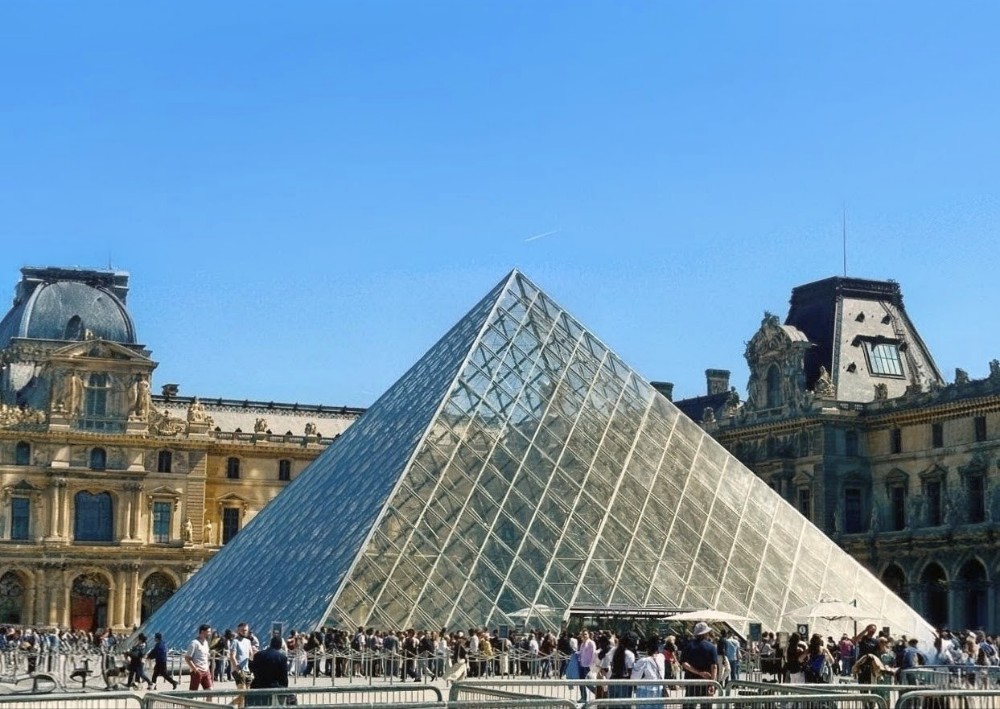
संग्रहालये पर्यटन विकासात अनेक प्रकारे योगदान देतात. प्रथम, ती सांस्कृतिक वारशाचे संरक्षण आणि संवर्धन करतात, ज्यामुळे स्थानिक समाजामध्ये अभिमान आणि ओळख निर्माण होते. दुसरे म्हणजे, संग्रहालये शैक्षणिक आणि मनोरंजनात्मक अनुभव देऊन पर्यटन स्थळांचे आकर्षण वाढवतात. उत्तम प्रकारे व्यवस्थापित संग्रहालय एखाद्या प्रदेशात पर्यटकांची संख्या वाढवू शकते आणि पर्यटकांना अधिक काळ त्या ठिकाणी थांबण्यास प्रवृत्त करू शकते. उदाहरणार्थ , आणि यांसारखी प्रसिद्ध संग्रहालये मोठ्या प्रमाणावर पर्यटकांना आकर्षित करतात आणि तिकीट विक्री, हॉटेल व्यवसाय, वाहतूक सेवा आणि स्मृतिचिन्ह उद्योगांच्या माध्यमातून स्थानिक अर्थव्यवस्थेला मोठे योगदान देतात.
आर्थिक लाभांव्यतिरिक्त संग्रहालये सांस्कृतिक समज आणि सामाजिक जागरूकता वाढविण्यातही महत्त्वाची भूमिका बजावतात. पुरातत्त्वीय अवशेष, ऐतिहासिक कागदपत्रे, पारंपरिक हस्तकला, कलाकृती आणि वैज्ञानिक उपलब्धी यांचे प्रदर्शन करून संग्रहालये भूतकाळ आणि वर्तमान यांच्यातील दुवा निर्माण करतात. विविध प्रदर्शने, शैक्षणिक कार्यक्रम, कार्यशाळा आणि डिजिटल तंत्रज्ञानाच्या साहाय्याने संग्रहालये पर्यटकांना तसेच स्थानिक नागरिकांना सांस्कृतिक विविधतेचे आणि ऐतिहासिक सातत्याचे महत्त्व समजावून सांगतात. त्यामुळे जबाबदार आणि शाश्वत पर्यटनाला प्रोत्साहन मिळते.
अलिकडच्या काळात वारसा पर्यटन आणि सांस्कृतिक पर्यटनाच्या वाढीमुळे संग्रहालयांचे महत्त्व अधिक वाढले आहे. अनेक सरकारे आणि पर्यटन संस्था संग्रहालयांना सांस्कृतिक संपत्ती मानून प्रादेशिक विकास आणि आंतरराष्ट्रीय सांस्कृतिक देवाणघेवाणीसाठी त्यांचा उपयोग करत आहेत. आधुनिक तंत्रज्ञानाच्या साहाय्याने आभासी भ्रमंती (Virtual Tours), संवादात्मक प्रदर्शने (Interactive Exhibits) आणि मल्टिमीडिया सादरीकरणे यांचा वापर करून संग्रहालये पर्यटकांचा अनुभव अधिक आकर्षक बनवत आहेत. यामुळे तरुण पिढीही संग्रहालयांकडे आकर्षित होत आहे.
भारतासारख्या सांस्कृतिकदृष्ट्या समृद्ध देशात संग्रहालयांना पर्यटन विकासासाठी मोठी क्षमता आहे. पुरातत्त्व, कला, आदिवासी संस्कृती, स्वातंत्र्य चळवळ आणि प्रादेशिक इतिहासाशी संबंधित संग्रहालये पर्यटकांना अनोखा अनुभव देतात आणि राष्ट्रीय वारशाचे जतन करण्यास मदत करतात. त्यामुळे संग्रहालये ही केवळ वस्तू संग्रहित करणारी स्थळे नसून सांस्कृतिक संवर्धन, शिक्षण, आर्थिक विकास आणि पर्यटन वृद्धीस हातभार लावणारी गतिशील सांस्कृतिक संस्था आहेत.
वस्तू संग्रहालयाची व्याख्या
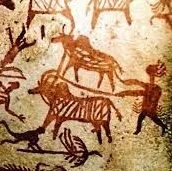
अनेक विद्वानांनी वस्तुसंग्रहालयाच्या विविध व्याख्या केल्या आहेत.युनेस्कोने संग्रहालयाची व्याख्या पुढीलप्रमाणे केली आहे,” समाजाच्या सेवेसाठी आणि त्याच्या विकासासाठी ना-नफा, कायमस्वरूपी संस्था, लोकांसाठी खुली, जी शिक्षण, अभ्यास आणि आनंदाच्या उद्देशाने मानवतेचा मूर्त आणि अमूर्त वारसा जतन करते, संवर्धन करते, संशोधन करते, संवाद साधते आणि त्याचे प्रदर्शन करते.”भारतीय संस्कृती कोशांमध्ये ,”नानाविध वस्तूंचा संग्रह जिथे व्यवस्थितपणे ठेवलेला असतो अशा स्थानाला वस्तुसंग्रहालय म्हणतात”.पर्यटन विकासामध्ये वस्तुसंग्रहालयाचे महत्त्व अनन्य साधारण आहे. वस्तुसंग्रहालय आणि पर्यटन विकास दोन्ही परस्पर पूरक आहेत.
वस्तू संग्रहालय निर्मितीचा इतिहास
आधुनिक काळात जशी वस्तुसंग्रहालय आहेत तशी प्राचीन किंवा मध्ययुगीन काळात भारतात नव्हती. परंतु राजप्रासादामध्ये राजघराण्यातील अनेक दुर्मिळ, मौल्यवान व कलात्मक वस्तूंचा संग्रह केलेला असे. युरोपात प्रारंभीच्या काळात काही हौशी किंवा श्रीमंत माणसे कलात्मक व मौल्यवान वस्तूंचा संग्रह करून विशेष समारंभात त्याचे प्रदर्शन मांडीत असत. ब्रिटिश सत्तेच्या स्थापने नंतर खऱ्या अर्थाने भारतामध्ये वस्तुसंग्रहालयाची निर्मिती करण्यास सुरुवात झाली. इतिहास ,परंपरा व संस्कृती जतन करून ती पुढच्या पिढीकडे नेण्याची महत्त्वाची भूमिका वस्तू संग्रहालये पार पाडतात.
वस्तुसंग्रहालयाचे प्रकार
वस्तुसंग्रहालय मध्ये कोणत्या प्रकारच्या वस्तू संग्रहित करण्यात आलेल्या आहेत त्यावरून संग्रहालयाचे प्रकार पाडले जातात. आधुनिक काळात वस्तुसंग्रहालयाची व्याप्ती प्रचंड प्रमाणात वाढलेली आहे. वस्तुसंग्रहालयाचे काही प्रकार पुढील प्रमाणे आहेत- इतिहास वस्तुसंग्रहालय- पुरातत्व वस्तुसंग्रहालय- कला वस्तुसंग्रहालय- हस्तकला वस्तुसंग्रहालय- वस्त्र संग्रहालय -शस्त्रास्त्रे संग्रहालय- शास्त्रीय वस्तूसंग्रहालय-आदिवासी संग्रहालय .प्रधानमंत्री संग्रहालय- अलीकडच्या काळात अनेक प्रकारचे वस्तुसंग्रहालय निर्माण होत आहेत. भारतामध्ये प्रधानमंत्री संग्रहालय नवी दिल्लीमध्ये स्थापन करण्यात आले आहे.
भारतातील प्रसिद्ध वस्तुसंग्रहालये
भारतामध्ये अनेक प्रसिद्ध आणि लोकप्रिय वस्तू संग्रहालये विविध राज्यांमध्ये आहेत. त्यापैकी काही वस्तू संग्रहालये पुढील प्रमाणे आहेत-
-राष्ट्रीय संग्रहालय, नवी दिल्ली
-इंडियन म्युझियम, कोलकाता
-छत्रपती शिवाजी महाराज वस्तुसंग्रहालय, मुंबई
-सालारजंग म्युझियम, हैदराबाद
-शासकीय वस्तुसंग्रहालय, चेन्नई
-अल्बर्ट हॉल, जयपुर
-नेपियर संग्रहालय ,तिरुअनंतपुरम
भारतीय पुरातत्व सर्वेक्षण विभागाने विकसित केलेली साइट संग्रहालये
उदा. लोथल आणि धोलाविरा-गुजरात, प्राचीन नालंदा विद्यापीठ- बिहार, हम्पी- कर्नाटक,खजुराहो-मध्य प्रदेश
महाराष्ट्रातील उत्कृष्ट वस्तू संग्रहालये
महाराष्ट्रात विविध शहरांमध्ये जवळपास दीडशे वस्तुसंग्रहालये आहेत. त्यापैकी काही वस्तुसंग्रहालय पुढील प्रमाणे आहेत-
-छत्रपती शिवाजी महाराज वस्तुसंग्रहालय, मुंबई
-डॉ. भाऊ दाजी लाड वस्तुसंग्रहालय, मुंबई
-राजा दिनकर केळकर वस्तु संग्रहालय, पुणे
-मध्यवर्ती वस्तुसंग्रहालय, नागपूर
-सोनेरी महाल वस्तु संग्रहालय, छत्रपती संभाजी नगर
-रामलिंगप्पा लामतुरे वस्तुसंग्रहालय, तेर, जिल्हा धाराशिव
-टाऊन हॉल संग्रहालय,कोल्हापूर
-श्री भवानी संग्रहालय,औंध,जिल्हा सातारा
-छत्रपती शिवाजी महाराज वस्तुसंग्रहालय, सातारा
-शस्त्रास्त्र संग्रहालय न्यू पॅलेस, अक्कलकोट,जिल्हा सोलापूर
पर्यटन विकासामध्ये वस्तू संग्रहालयाचे योगदान
पर्यटन विकासामध्ये पाश्चात्य देशानी वस्तुसंग्रहालयाचे महत्व फार पूर्वीच ओळखले आहे. युरोपमध्ये विशेषतः एकट्या पॅरिस शहरामध्ये दोनशेच्या आसपास वस्तुसंग्रहालये आहेत. याशिवाय लंडन, रोम इथेही मोठ्या प्रमाणात वस्तू संग्रहालयाची निर्मिती करण्यात आली आहे. या शहरांना भेट देणारे पर्यटक आवर्जून येथील वस्तुसंग्रहालयाला भेट देतात. भारतामध्ये पर्यटन विभाग आणि पुरातत्व विभाग यांनी समन्वयातून वस्तुसंग्रहालयां कडे पर्यटक मोठ्या प्रमाणात येतील यासाठी प्रयत्न करणे आवश्यक आहे. यातूनच पर्यटन विकास आणि वस्तुसंग्रहालयाचे महत्व अधोरेखित होणार आहे.
सारांश
संग्रहालये ही देशाच्या सांस्कृतिक, ऐतिहासिक आणि कलात्मक वारशाचे जतन करणारी महत्त्वाची केंद्रे आहेत. ती केवळ प्राचीन वस्तूंचे संरक्षण करणारी संस्था नसून शिक्षण, संशोधन आणि पर्यटन विकासाला चालना देणारी प्रभावी माध्यमे आहेत. आधुनिक काळात संग्रहालये सांस्कृतिक पर्यटनाचा महत्त्वपूर्ण भाग बनली असून देश-विदेशातील पर्यटकांना आकर्षित करतात. एखाद्या प्रदेशाचा इतिहास, संस्कृती, परंपरा आणि जीवनपद्धती समजून घेण्यासाठी पर्यटक संग्रहालयांना भेट देतात.
भारत हा विविध संस्कृती, धर्म, कला आणि इतिहासाने समृद्ध देश आहे. त्यामुळे येथे संग्रहालयांना पर्यटन विकासासाठी विशेष महत्त्व प्राप्त झाले आहे. भारतातील पुरातत्त्व, कला, आदिवासी संस्कृती, स्वातंत्र्य चळवळ आणि प्रादेशिक इतिहासाशी संबंधित संग्रहालये पर्यटकांना अनोखा अनुभव देतात. उदाहरणार्थ , आणि यांसारखी संग्रहालये भारताच्या समृद्ध वारशाचे दर्शन घडवतात.
संग्रहालयांमुळे स्थानिक अर्थव्यवस्थेलाही मोठा फायदा होतो. पर्यटकांच्या वाढत्या संख्येमुळे हॉटेल व्यवसाय, वाहतूक, मार्गदर्शक सेवा आणि हस्तकला उद्योगांना चालना मिळते. तसेच संग्रहालये सांस्कृतिक जागरूकता निर्माण करून वारसा संवर्धनाचे महत्त्व समाजापर्यंत पोहोचवतात. आज अनेक संग्रहालये आधुनिक तंत्रज्ञानाचा वापर करून डिजिटल प्रदर्शने, आभासी भ्रमंती आणि संवादात्मक सादरीकरणे उपलब्ध करून देत आहेत, ज्यामुळे तरुण पिढीचा सहभाग वाढत आहे.
त्यामुळे संग्रहालये ही केवळ वस्तू संग्रहित करणारी स्थळे नसून सांस्कृतिक जतन, शिक्षण, राष्ट्रीय ओळख आणि पर्यटन विकास यांना प्रोत्साहन देणारी महत्त्वपूर्ण सांस्कृतिक संस्था आहेत.
Museums and Tourism Development
Museums play a vital role in preserving the cultural, historical, artistic, and scientific heritage of humanity. They serve as institutions that collect, conserve, interpret, and display objects of historical and cultural importance for education and public enjoyment. In the modern world, museums are not only centers of knowledge and research but also major attractions for tourists. The relationship between museums and tourism has grown significantly over the years, making museums an important component of tourism development across the globe.
Tourism is one of the fastest-growing industries in the world and contributes greatly to economic growth, employment generation, and cultural exchange. Among the many attractions that motivate people to travel, museums occupy a special place because they provide visitors with opportunities to understand the history, traditions, art, and identity of a region or nation. Travelers often visit museums to experience the cultural richness of a destination and to gain deeper insight into its heritage. As a result, museums have become essential cultural tourism destinations that attract millions of domestic and international tourists every year.
Museums contribute to tourism development in several ways. Firstly, they preserve and promote cultural heritage, thereby creating a sense of identity and pride among local communities. Secondly, museums enhance the attractiveness of tourist destinations by offering educational and recreational experiences. A well-maintained museum can significantly increase tourist inflow and encourage visitors to spend more time in a region. Famous museums such as the , the , and the attract large numbers of visitors and contribute substantially to local economies through ticket sales, hospitality services, transportation, and souvenir industries.
In addition to economic benefits, museums also promote cultural understanding and social awareness. They act as bridges between the past and present by showcasing archaeological artifacts, historical documents, traditional crafts, artworks, and technological achievements. Through exhibitions, educational programs, workshops, and digital displays, museums help tourists and local people appreciate cultural diversity and historical continuity. This educational aspect of museums strengthens responsible and sustainable tourism by encouraging respect for cultural heritage and local traditions.
The growth of heritage tourism and cultural tourism in recent decades has further increased the importance of museums. Governments and tourism organizations now recognize museums as valuable cultural assets that can support regional development and international cultural exchange. Many museums are adopting modern technologies such as virtual tours, interactive exhibits, and multimedia presentations to enhance visitor experiences and attract younger audiences. These innovations make museums more accessible and engaging, thereby expanding their role in tourism development.
In countries like India, museums hold immense potential for promoting tourism due to the country’s rich historical and cultural heritage. Museums dedicated to archaeology, art, tribal culture, freedom movements, and regional history provide tourists with unique experiences and help preserve national heritage for future generations. Therefore, museums are not merely repositories of objects; they are dynamic cultural institutions that contribute significantly to tourism, education, economic development, and cultural preservation.
Definition of a Museum
Various scholars have offered diverse definitions of a museum. UNESCO has defined a museum as follows: “A non-profit, permanent institution in the service of society and its development, open to the public, which acquires, conserves, researches, communicates, and exhibits the tangible and intangible heritage of humanity for the purposes of education, study, and enjoyment.” According to the Bharatiya Sanskriti Kosh (Encyclopedia of Indian Culture), “A place where a diverse array of objects is systematically preserved is called a museum.” Museums hold unparalleled significance in the context of tourism development; indeed, museums and tourism development are mutually complementary.
History of Museums
There were no museums in ancient or medieval India as they are in modern times. But in Rajprasada many rare, valuable and artistic objects of the royal family were collected. In early Europe, some amateurs or rich people used to collect artistic and valuable objects and exhibit them in special ceremonies. After the establishment of British rule, the creation of museums in India began in real terms. Museums play an important role in preserving history, tradition and culture and passing it on to the next generation.
Types of Museums
Museums are classified according to the type of objects stored in the museum. In modern times, the scope of the museum has increased tremendously.
Some types of Museums are as follows-
History Museum,Archaeological Museum,Art Museum,Handicraft Museum,Textile Museum, Weapons Museum,Classical Museum,Tribal Museum.Many types of museums have emerged in recent times. In India, the Prime Minister’s Museum is established in New Delhi.
Famous Museums in India
There are many famous and popular museums in India located in different states. Some of those objects museums are as follows,
National Museum, New Delhi
Indian Museum, Kolkata
Chhatrapati Shivaji Maharaj Museum, Mumbai
Salar Jung Museum, Hyderabad
Government Museum, Chennai
Albert Hall, Jaipur
Napier Museum, Thiruvananthapuram
Site Museums developed by Archaeological Survey of India
e.g. Lothal and Dholavira-Gujarat, ancient Nalanda University- Bihar,Hampi- Karnataka, Khajuraho-Madhya Pradesh
Top Artifacts Museums in Maharashtra
Maharashtra has about 150 Artifacts Museums in various cities. Some of those museums are as follows,
Chhatrapati Shivaji Maharaj Museum, Mumbai
Dr. Bhau Daji Lad Museum, Mumbai
Raja Dinkar Kelkar Object Museum, Pune
Central Museum, Nagpur
Soneri Mahal Artifacts Museum, Chhatrapati Sambhaji Nagar
Ramalingappa Lamture Museum, Ter, District Osmanabad
Town Hall Museum ,Kolhapur
Shri Bhavani Museum, Aundh, District Satara
Chhatrapati Shivaji Maharaj Museum, Satara
Armoury Museum, New Palace ,Akkalkot
Contribution of Objects Museums in Tourism Development
Western countries have long recognized the importance of museums in tourism development. There are around two hundred museums in Europe, especially in the city of Paris alone. Apart from this, a large number of object museums have been created in London and Rome. Tourists visiting these cities must visit the museums here. In India, the Department of Tourism and the Department of Archeology should coordinate efforts to attract tourists to the museums. This will highlight the importance of tourism development and museum.
Summary
Museums are important institutions that preserve the cultural, historical, and artistic heritage of a nation. They are not only centers for conserving ancient objects but also effective mediums for education, research, and tourism development. In the modern era, museums have become an essential part of cultural tourism and attract both domestic and international tourists. Visitors often explore museums to understand the history, traditions, culture, and lifestyle of a particular region.
India is a country rich in diverse cultures, religions, arts, and historical traditions. Therefore, museums in India hold special importance in the development of tourism. Museums related to archaeology, art, tribal culture, the freedom movement, and regional history provide unique experiences to visitors. Institutions such as the , the , and the showcase India’s rich cultural heritage and historical legacy.
Museums also contribute significantly to the local economy. The increasing number of tourists supports hotel businesses, transportation services, tourist guides, and handicraft industries. In addition, museums create cultural awareness and promote the importance of heritage conservation among society. Today, many museums are adopting modern technologies such as digital exhibitions, virtual tours, and interactive displays, making museums more attractive and engaging for younger generations.
Thus, museums are not merely places for storing objects; they are dynamic cultural institutions that promote heritage preservation, education, national identity, and tourism development.


