

महाराष्ट्र ही फक्त किल्ल्यांची आणि साम्राज्यांची भूमी नाही,तर ती आध्यात्मिक वारसा भूमी देखील आहे. या प्रदेशात संत-परंपरेतून वाहणारा भक्ति प्रवाह, नाथ संप्रदायाची साधना, वारकऱ्यांची वारी आणि अनेक पुराणकथा—या सर्वांनी मिळून महाराष्ट्राला एक आगळंवेगळं अध्यात्मिक स्वरूप दिलं आहे. या योगदानातील सर्वात तेजस्वी ठसे उमटवणारे घटक म्हणजे ज्योतिर्लिंगे. हिंदू परंपरेत ज्योतिर्लिंग म्हणजे शिवाचा साकार अवतार नसून, ज्यामध्ये देवत्वाचा आकार-रहित तेज अनुभवायला मिळतो.
भारतातील बारा ज्योतिर्लिंगांपैकी पाच महाराष्ट्रात आहेत—औंढा नागनाथ, परळी वैजनाथ, त्र्यंबकेश्वर, भीमाशंकर आणि घृष्णेश्वर.प्रत्येक ज्योतिर्लिंगात एक स्वतंत्र दैवी महत्त्व आहे; काही उपचारासाठी यवलंबित आहेत, काही जन्म-मरणाच्या तत्त्वज्ञानाचे प्रतिनिधीत्व करतात, तर काही जंगली निसर्गाच्या कुशीत दडलेले आध्यात्माचे धाम आहेत.भक्त असो वा प्रवासी—या पाच ज्योतिर्लिंगांची यात्रा म्हणजे भटकंती नाही, तर अंतर्मनाचा शोध आहे.
१.औंढा नागनाथ
हिंगोली जिल्ह्यातील औंढा नागनाथ हे महाराष्ट्रातील सर्वांत प्राचीन आणि आद्य ज्योतिर्लिंग मानले जाते. लोकपरंपरेनुसार हे देवस्थान त्रेता युगापासून अस्तित्वात आहे आणि त्याच्या स्थापनेचा संबंध अरण्यवासी पांडवांशी जोडला जातो. युधिष्ठिराने येथे मंदिर उभारले, असे अनेक पुराणात नमूद आहे.
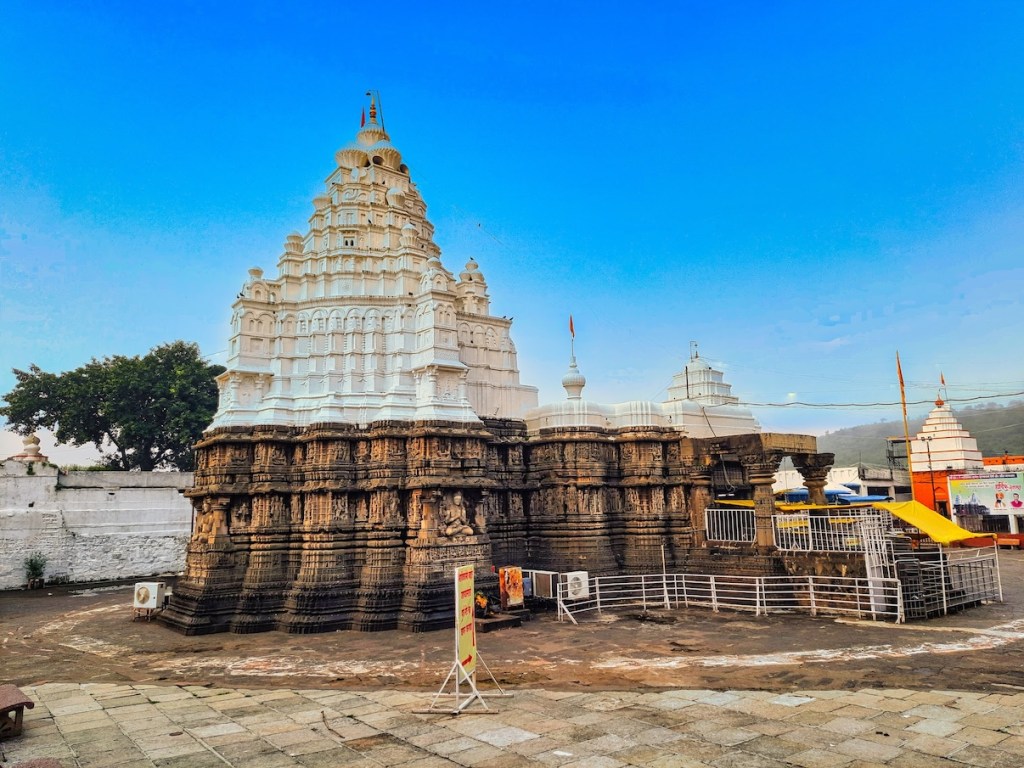
या ठिकाणाचे आणखी एक वैशिष्ट्य म्हणजे नंदीची विलक्षण उपासना. देशभरात नंदी हा शिवाचा वाहन आणि द्वारपाल म्हणून पूजला जातो, परंतु औंढा नागनाथ येथे त्याचे स्थान अजूनही उच्च मानले जाते. आख्यायिकेनुसार नंदीने येथे घोर तप केले आणि शिवाने प्रसन्न होऊन त्याला प्रथम दर्शन दिले.
मंदिर हेमाडपंथि शैलीत बांधलेले असून दगडावर दगड बसवण्याची कलाकृती आजही अभंग आहे. जाड भिंती, शिल्परूप फुलकळे, गूढ कोरीवकाम—हे सर्व मंदिराला पुरातन आणि दिव्य स्वरूप देतात. पर्यटक आणि संशोधकांसाठी हा परिसर इतिहास आणि भक्ति यांची सांगड घालणारे केंद्र आहे.
औंढा नागनाथाचे आध्यात्मिक महत्त्व विसरता येत नाही. येथे शिव नागेश्वर रूपात पूजले जातात, ज्याचा अर्थ जीवनातील विष—भीती, भ्रम, अहंकार—यांचे नाश करणारा. हजारो वर्षे प्रज्वलित असलेला हा प्रकाश आजही भक्तांना संयम, श्रद्धा आणि सत्याच्या दिशेने नेतो.
२️.परळी वैजनाथ ज्योतिर्लिंग
बीड जिल्ह्यातील परळी वैजनाथ हे शिवाचे वैद्यरुप धाम मानले जाते. ‘वैजीनाथ’ या नावातील वैद्य हा शब्द स्पष्टपणे सूचित करतो की येथे शिव मनुष्याच्या दुःखांचे उपचार करणारा महावैद्य आहे. हजारो भक्त आजही आजारांपासून मुक्तीसाठी, मानसिक वेदनांवर उपायासाठी आणि जीवनातील अडचणी दूर करण्यासाठी या देवळात येतात.
🔗 Parali Vaijinath Temple Locatin
परळी वैजनाथाशी निगडित रावणाची कथा भारतभर परिचित आहे. असे सांगितले जाते की रावणाने शिवलिंग कैलासावरून उचलून लंकेकडे नेण्याचा संकल्प केला. त्याच्या भक्तीने प्रसन्न झालेल्या शिवाने त्याच्याबरोबर येण्याची परवानगी दिली; परंतु काही अटीही ठेवल्या. मार्गात रावणाने विश्रांतीसाठी लिंग खाली ठेवले आणि ते पृथ्वीमध्ये स्थिरावले. देवांनी हा घडवून आणला आणि त्यामुळे शिवाने येथे सदैव वास करण्याची कृपा केली.
या कथेतून एक मोठा तात्त्विक संदेश मिळतो—भक्तीचा अधिकार कोणाचाही असू शकतो. चांगला किंवा वाईट—जो कोणी पूर्ण मनाने शिवाला शरण जातो त्याला कृपा लाभते.
मंदिराची विशेषता म्हणजे येथे पारंपरिक पूजनाबरोबर योग, प्राणायाम आणि मानसिक संतुलनाच्या तत्त्वांना मान्यता आहे. परळी हे मन-शरीर-आत्म्याचे समरस केंद्र मानले जाते. अनेक साधक आणि योगी येथे साधना करतात, तर साधारण भक्तही मनाला हलकेपणाचा अनुभव घेऊन जातात.
३️.त्र्यंबकेश्वर ज्योतिर्लिंग
नाशिक जिल्ह्यातील त्र्यंबकेश्वर हे ज्योतिर्लिंगांतील सर्वांत तत्त्वप्रधान आणि गूढ महत्त्वाचे देवस्थान मानले जाते. येथे शिव त्रिदेव रूपात विराजमान आहेत—ब्रह्मा, विष्णू आणि शिव या तीन तत्त्वांचे संपूर्ण संतुलन. हे मंदिर केवळ देवपूजेपुरते मर्यादित नाही; ते जीवनातील जन्म-मरण आणि पितृत्वाच्या संकल्पना समजून घेण्यासाठी अद्वितीय केंद्र आहे.
येथील सर्वांत वैशिष्ट्यपूर्ण गोष्ट म्हणजे तीन मुख असलेले शिवलिंग. सतत वाहणाऱ्या पाण्यामुळे हे लिंग हळूहळू क्षीण होत जाते. हा चमत्कारिक आणि वैज्ञानिक मिलाफ मानवी जीवनाच्या अस्थिर रूपाचे प्रतीक आहे.
🔗 Trimbakeshwar Temple Location
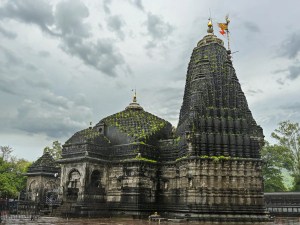
त्र्यंबक हे गोदावरी नदीचे उगमस्थान असल्याने साधकांसाठी हे अतिशय पवित्र मानले जाते. हिंदू तत्त्वज्ञानात नदी ही मातृशक्तीचे रूप असते—जीवनदायिनी, शुद्धीकरण करणारी आणि भावनिक आधार देणारी. यामुळेच त्र्यंबकेश्वर येथे विविध श्राद्ध विधी होतात.
पर्वत, नदी, दाट हिरवाई आणि योगसाधकांचा स्पर्श असलेली ही जागा एक नैसर्गिक विश्वकोश वाटते. साहसाची आवड असणारे पर्यटक, इतिहासप्रेमी, आणि भक्त—सर्वांना येथे एक अनोखी शांतता अनुभवायला मिळते.
४️.भीमाशंकर ज्योतिर्लिंग
पुणे जिल्ह्यातील सह्याद्री पर्वतरांगांच्या मध्यभागी वसलेले भीमाशंकर हे पवित्र ज्योतिर्लिंग आहे. येथील वैशिष्ट्य म्हणजे निसर्गाच्या विलक्षण सौंदर्यात दडलेली दिव्यता. दाट जंगल, धबधबे, वन्यजीव आणि धुक्याने झाकलेल्या कड्यांमधून जाताना मंदिरापर्यंत पोहोचणे स्वतःतच रोमांचक यात्रा आहे.
पुराणातील परंपरेनुसार, येथे शिवाने भिमासुर नावाच्या राक्षसाचा वध केला. भिमासुर हा कुंभकर्णाचा पुत्र होता आणि त्याने ऋषी-मुनींना त्रास देत होता. धैर्य आणि तपश्चर्येच्या जोरावर त्याने देवांना आव्हान दिले. अखेरीस शिवाने त्याचा संहार केला आणि ती युद्धाची उग्रता एवढी होती की शिवाच्या घामातून भीमा नदी जन्मल्याचे मानले जाते.
🔗 Bhimashankar Jyotirling Location
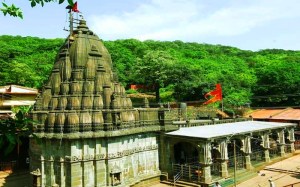
भीमाशंकरचे मंदिर साधेपणातही सुंदर आहे—प्राचीन वास्तुशैली, ओबडधोबड दगड आणि निसर्गाशी सुसंगत मांडणी. येथे पूजेपेक्षा निसर्गाचे स्पंदन जास्त जाणवते. मन शांत होते.
इथे दुर्मीळ पक्षी व वनस्पतींची प्रजाती आढळतात आणि हा प्रदेश संरक्षित वनक्षेत्राचा भाग आहे. त्यामुळे हे शिवधाम पर्यावरण-जागरूकतेचे तत्त्व देखील शिकवते—निसर्ग म्हणजे ईश्वराचे दुसरे रूप.भीमाशंकर श्रद्धा आणि साहस यांचे अद्भुत मिश्रण आहे.
५️.घृष्णेश्वर ज्योतिर्लिंग
छत्रपती संभाजीनगर(औरंगाबाद) जिल्ह्यातील घृष्णेश्वर हे भारतातील बारावे आणि शेवटचे ज्योतिर्लिंग मानले जाते. एलोरा लेण्यांच्या जवळ असल्यामुळे या देवस्थानाला ऐतिहासिक, कलात्मक आणि धार्मिक तिन्ही मूल्यांनी संपन्न ओळख मिळाली आहे.
🔗 Ghrishneshwar Temple Location
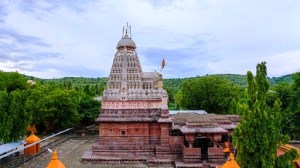
येथील पौराणिक कथा घुष्मा या अनंत भक्ती असलेल्या स्त्रीशी जोडली आहे. घुष्मा अनवरत ‘ओम नम: शिवाय’चा जप करत असे आणि तिने बनवलेल्या १०८ शिवलिंगांची नदीत विसर्जन करून पूजा करणे हे तिचे दैनंदिन साधना कर्म होते. तिच्या वैर्यांनी तिच्या पुत्राची हत्या केली तेव्हाही ती डगमगली नाही. तिच्या अविचल भक्तीने प्रसन्न होऊन शिवाने तिचा मुलगा जिवंत केला आणि “या ठिकाणी मी सदैव वसती करेन” असा वर दिला. त्यामुळेच या ज्योतिर्लिंगाला घुष्मेश्वर → घृष्णेश्वर हे नाव लाभले.
मंदिर हेमाडपंथि वास्तूने घडले आहे. लाल दगडातील भव्य शिल्पकला, नंदी मंडप, दरवाज्यांवरील कोरीवकाम आणि छतावरील आख्यायिकांचे प्रतिबिंब—सर्व काही पाहणाऱ्याला थक्क करते. एलोरा लेण्यांच्या शेजारी असल्यामुळे हे ठिकाण पुरातत्त्वप्रेमी आणि इतिहास संशोधकांसाठीही आकर्षणाचे केंद्र आहे.
सारांश
महाराष्ट्रातील पाच ज्योतिर्लिंगांचा प्रवास म्हणजे देवदर्शनापेक्षा खूप मोठा अनुभव आहे. प्रत्येक मंदिर आपल्याला वेगळी अध्यात्मिक शिकवण देते. औंढा नागनाथ नम्रता शिकवतो—अहंकार सोडून झुकल्यावरच दिव्याला स्पर्श करता येतो. परळी वैजनाथ वेदना आणि रोगांना सामोरे जाण्याची ताकद देतो—जीवनातील संकटे टाळता येत नाहीत, पण विश्वासाने ती कमी करता येतात. त्र्यंबकेश्वर सृष्टीच्या चक्राचा बोध करून देतो—जन्म, मृत्यू आणि प्राण हे चिरंतन आहे. भीमाशंकर मनातील भया-विकारांचे नाश करून साहस आणि धैर्याला जागवतो. घृष्णेश्वर समर्पण, क्लेशातही श्रद्धा आणि प्रेम यांचे सामर्थ्य दाखवतो.
या पाच ठिकाणी जाताना आपण फक्त मंदिर पाहत नाही, आपल्याला पर्वत, नदी, जंगल, खेडी आणि शिल्प—सर्वांतून शिवाची अनुभूती होते. भारतातील विविध राज्यांतील प्रवासी येथे येऊन अनुभवतात की महाराष्ट्र हा केवळ भूगोल नसून शिवभक्तीचे जिवंत केंद्र आहे.
Jyotirlingas in Maharashtra
Maharashtra is not only a land of forts and empires, but also a land of spiritual heritage. The stream of devotion flowing through the tradition of saints in this region, the practices of the Nath Sampradaya, the pilgrimage of the Warkaris, and numerous Puranic tales—all these together have given Maharashtra a unique spiritual character. The most luminous imprints of this contribution are the Jyotirlingas. In the Hindu tradition, a Jyotirlinga is not a physical incarnation of Shiva, but rather a place where the formless radiance of divinity can be experienced.
Of the twelve Jyotirlingas in India, five are in Maharashtra—Aundha Nagnath, Parli Vaijnath, Trimbakeshwar, Bhimashankar, and Grishneshwar. Each Jyotirlinga has a distinct divine significance; some are revered for their healing powers, some represent the philosophy of birth and death, while others are abodes of spirituality nestled in the lap of wild nature.
For devotees and travelers alike, a pilgrimage to these five Jyotirlingas is not just a journey, but a quest for the inner self.
1. Aundha Nagnath
Aundha Nagnath in Hingoli district is considered the oldest and foremost Jyotirlinga in Maharashtra. According to local tradition, this shrine has existed since the Treta Yuga, and its establishment is associated with the Pandavas during their exile in the forest. Many Puranas mention that Yudhishthira built the temple here.
Another unique feature of this place is the extraordinary worship of Nandi. Throughout the country, Nandi is worshipped as Shiva’s vehicle and doorkeeper, but at Aundha Nagnath, his status is considered even higher. According to legend, Nandi performed intense penance here, and Shiva, pleased with his devotion, granted him the first darshan (divine sight).
The temple is built in the Hemadpanthi style, and the artistry of fitting stone upon stone remains intact even today. Thick walls, sculpted floral motifs, and intricate carvings—all give the temple an ancient and divine appearance. For tourists and researchers, this area is a center that combines history and devotion. The spiritual significance of Aundha Nagnath cannot be forgotten. Here, Shiva is worshipped in the form of Nageshwara, meaning the destroyer of the poisons of life—fear, illusion, and ego. This light, which has been burning for thousands of years, still guides devotees towards patience, faith, and truth.
2. Parli Vaijnath Jyotirlinga
Parli Vaijnath in Beed district is considered a sacred abode of Shiva in his physician form. The word ‘Vaidya’ in the name ‘Vaijnath’ clearly indicates that Shiva here is the great physician who heals human suffering. Thousands of devotees still visit this temple for liberation from illnesses, remedies for mental anguish, and to overcome life’s difficulties.
The story of Ravana associated with Parli Vaijnath is well-known throughout India. It is said that Ravana resolved to carry the Shiva Lingam from Kailash to Lanka. Pleased by his devotion, Shiva granted him permission to take the Lingam with him; however, he also laid down some conditions. On the way, Ravana placed the Lingam down to rest, and it became fixed in the earth. The gods orchestrated this, and thus Shiva graciously decided to reside there forever.
This story conveys a great philosophical message—the right to devotion belongs to everyone. Good or bad—whoever surrenders to Shiva with a pure heart receives his grace.
A special feature of the temple is that along with traditional worship, the principles of yoga, pranayama, and mental balance are also recognized here. Parli is considered a center for the harmony of mind, body, and soul. Many seekers and yogis practice their sadhana here, while ordinary devotees also leave feeling a sense of lightness in their minds.
3. Trimbakeshwar Jyotirlinga
Trimbakeshwar in Nashik district is considered the most philosophical and mystically significant of the Jyotirlingas. Here, Shiva is enshrined in the form of the Trimurti—a perfect balance of the three principles of Brahma, Vishnu, and Shiva. This temple is not limited to mere worship; It is a unique center for understanding the concepts of birth, death, and fatherhood in life.
The most distinctive feature here is the three-faced Shiva Lingam. Due to the continuously flowing water, this lingam gradually erodes. This miraculous and scientific confluence symbolizes the transient nature of human life.
Trimbak is considered extremely sacred for devotees as it is the source of the Godavari River. In Hindu philosophy, a river is considered a form of the mother goddess—life-giving, purifying, and providing emotional support. This is why various Shraddha rituals are performed at Trimbakeshwar.
With its mountains, river, lush greenery, and the touch of yogis, this place feels like a natural encyclopedia. Adventure-loving tourists, history enthusiasts, and devotees—everyone experiences a unique tranquility here.
4. Bhimashankar Jyotirlinga
Located amidst the Sahyadri mountain ranges in Pune district, Bhimashankar is a sacred Jyotirlinga. Its specialty lies in the divinity hidden within the extraordinary beauty of nature. Reaching the temple through dense forests, waterfalls, wildlife, and fog-covered cliffs is an adventurous journey in itself.
According to Puranic tradition, Shiva killed a demon named Bhimasura here. Bhimasura was the son of Kumbhakarna and was tormenting sages and ascetics. Through courage and penance, he challenged the gods. Finally, Shiva annihilated him, and the intensity of that battle was such that it is believed that the Bhima river was born from Shiva’s sweat.
The Bhimashankar temple is beautiful in its simplicity—ancient architecture, rough-hewn stones, and a layout in harmony with nature. Here, the vibrations of nature are felt more than the rituals of worship. The mind finds peace.
Rare species of birds and plants are found here, and the region is part of a protected forest area. Therefore, this Shiva shrine also teaches the principle of environmental awareness—that nature is another form of God. Bhimashankar is a place of faith and serenity.
5. Grishneshwar Jyotirlinga
Grishneshwar in Chhatrapati Sambhaji Nagar (Aurangabad) district is considered the twelfth and last Jyotirlinga in India. Located near the Ellora Caves, this shrine has gained a rich identity due to its historical, artistic, and religious significance.
The mythological story here is associated with Ghushma, a woman of immense devotion. Ghushma would constantly chant ‘Om Namah Shivaya’ and her daily spiritual practice involved immersing 108 Shiva Lingams she had made into a river. Even when her enemies killed her son, she did not waver. Pleased by her unwavering devotion, Shiva brought her son back to life and granted her the boon that “I will reside here forever.” This is how this Jyotirlinga came to be known as Ghushmeshwar → Grishneshwar.
The temple is built in the Hemadpanthi architectural style. The magnificent sculptures in red stone, the Nandi mandapa, the carvings on the doorways, and the depiction of legends on the ceiling—everything leaves the viewer spellbound. Being next to the Ellora Caves, this place is also a center of attraction for archaeology enthusiasts and history researchers.
Summary
The journey to the five Jyotirlingas in Maharashtra is a much greater experience than just visiting temples. Each temple imparts a different spiritual lesson. Aundha Nagnath teaches humility—the divine light can only be touched when one bows down, shedding ego. Parli Vaijnath provides the strength to face pain and illness—life’s challenges cannot be avoided, but they can be mitigated with faith. Trimbakeshwar imparts the knowledge of the cycle of creation—birth, death, and life are eternal. Bhimashankar destroys the fears and vices of the mind, awakening courage and bravery. Grishneshwar demonstrates the power of surrender, faith, and love even in times of distress. When visiting these five places, we don’t just see temples; we experience Shiva in the mountains, rivers, forests, villages, and sculptures—in everything. Travelers from various states of India come here and experience that Maharashtra is not merely a geographical region, but a vibrant center of devotion to Shiva.


Leave a Reply